


Can the DBB PLUG Valve be used in a pulsating flow environment?
As a supplier of DBB PLUG Valves, I often encounter inquiries from customers regarding the suitability of our valves in various operating conditions. One question that frequently arises is whether the DBB PLUG Valve can be used in a pulsating flow environment. In this blog post, I will delve into this topic, exploring the characteristics of pulsating flow, the design features of DBB PLUG Valves, and their compatibility in such environments.

Understanding Pulsating Flow
Pulsating flow is a type of fluid flow characterized by periodic variations in flow rate and pressure. It can occur in a variety of industrial applications, such as reciprocating pumps, compressors, and some types of chemical processes. The pulsations can be caused by the cyclic nature of the equipment or by the interaction between the fluid and the system components.
The main challenges associated with pulsating flow include:
- Mechanical stress: The rapid changes in pressure and flow rate can subject the valve components to significant mechanical stress, potentially leading to fatigue, wear, and premature failure.
- Vibration: Pulsations can induce vibration in the valve and the surrounding piping, which can further exacerbate the mechanical stress and cause noise and instability in the system.
- Flow control issues: The fluctuating flow rate can make it difficult to maintain accurate flow control, leading to inconsistent process performance and potential product quality issues.
Design Features of DBB PLUG Valves
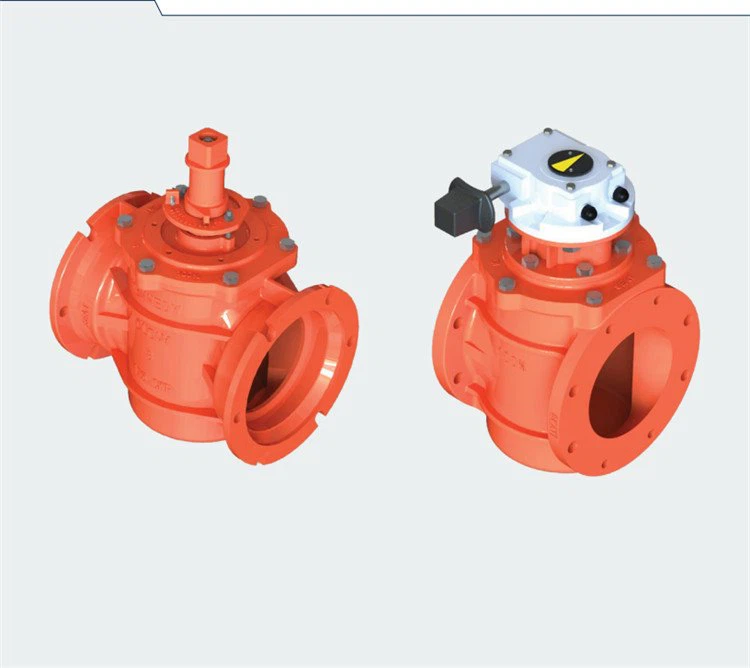
DBB (Double Block and Bleed) PLUG Valves are designed to provide reliable shut-off and isolation in various applications. They feature a plug that rotates within a body to control the flow of fluid. The plug is typically tapered or cylindrical, and it can be either solid or segmented.
Some of the key design features of DBB PLUG Valves that contribute to their performance in pulsating flow environments include:
- Robust construction: DBB PLUG Valves are typically constructed from high-quality materials, such as stainless steel, carbon steel, or alloy steel, to ensure durability and resistance to mechanical stress.
- Sealing mechanism: The plug and seat of the valve are designed to provide a tight seal, even under high-pressure and high-temperature conditions. This helps to prevent leakage and ensure reliable shut-off.
- Low friction design: The plug is designed to rotate smoothly within the body, minimizing friction and wear. This helps to reduce the mechanical stress on the valve components and extend their service life.
- Shock absorption: Some DBB PLUG Valves are equipped with shock absorption features, such as springs or dampers, to help absorb the impact of the pulsations and reduce the vibration and noise in the system.
Compatibility of DBB PLUG Valves in Pulsating Flow Environments
Based on their design features, DBB PLUG Valves can be used in pulsating flow environments, but several factors need to be considered to ensure their optimal performance:
- Valve size and rating: The size and rating of the valve should be selected based on the flow rate, pressure, and temperature of the application. A valve that is too small or underrated may not be able to handle the pulsations and may experience premature failure.
- Material selection: The material of the valve components should be selected based on the properties of the fluid being handled, such as its corrosiveness, abrasiveness, and temperature. A valve made from a material that is not compatible with the fluid may experience corrosion, erosion, or other forms of damage.
- Installation and maintenance: Proper installation and maintenance are essential to ensure the reliable performance of the valve in a pulsating flow environment. The valve should be installed according to the manufacturer's instructions, and regular maintenance should be performed to check for wear, leakage, and other issues.
- System design: The design of the overall system, including the piping layout, pump selection, and control strategy, can also affect the performance of the valve in a pulsating flow environment. A well-designed system can help to minimize the pulsations and reduce the mechanical stress on the valve.
Case Studies
To illustrate the performance of DBB PLUG Valves in pulsating flow environments, let's look at a few case studies:
Case Study 1: Chemical Processing Plant
A chemical processing plant was experiencing issues with leakage and premature failure of the valves in their reciprocating pump system. The pulsations from the pump were causing excessive vibration and mechanical stress on the valves, leading to wear and damage to the seats and seals.
The plant replaced the existing valves with DBB PLUG Valves, which were specifically designed for use in pulsating flow environments. The new valves were installed with shock absorption features to help reduce the vibration and mechanical stress. After the installation, the plant reported a significant reduction in leakage and valve failures, resulting in improved process reliability and reduced maintenance costs.
Case Study 2: Oil and Gas Production
An oil and gas production facility was using a DBB PLUG Valve in a pipeline that was subject to pulsating flow due to the operation of a compressor. The valve was experiencing excessive wear and leakage, which was affecting the efficiency of the pipeline and increasing the risk of environmental contamination.
The facility worked with the valve supplier to optimize the design of the valve for the pulsating flow environment. The valve was modified with a special seat material and a shock absorption mechanism to improve its performance. After the modification, the valve was able to withstand the pulsations and provide reliable shut-off, resulting in improved pipeline efficiency and reduced environmental risk.
Conclusion
In conclusion, DBB PLUG Valves can be used in pulsating flow environments, but careful consideration needs to be given to the valve size, rating, material selection, installation, and maintenance. By selecting the right valve and ensuring proper installation and maintenance, it is possible to achieve reliable performance and long service life in pulsating flow applications.
If you are considering using a DBB PLUG Valve in a pulsating flow environment, I encourage you to contact us for more information. Our team of experts can help you select the right valve for your application and provide you with the support and guidance you need to ensure its optimal performance.
For more information about our other types of plug valves, you can visit the following links:
We look forward to the opportunity to discuss your specific requirements and help you find the best valve solution for your needs. Contact us today to start the conversation and explore the possibilities of using our DBB PLUG Valves in your pulsating flow applications.
References
- "Valve Handbook", Fifth Edition, by J. Paul Tullis.
- "Piping Handbook", Ninth Edition, by Cameron W. John and Robert D. Taber.
- Manufacturer's technical documentation for DBB PLUG Valves.