
Latest Products


Contact Us
- No.97, 4th Avenue, Binhai Economic and Technology Development Zone, Wenzhou, China
- sales@gzp-valve.com
- +86-577-85859689


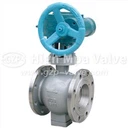
Forged Floating Ball Valve
Design: API 608, API 6D,ASME B16.34, ISO 14313, ISO 10423, ISO 17292
Pressures range: ANSI 150 ~ANSI 1500 ,PN10~PN250
Size range: 1/2"-12" / DN15~DN300
Description

Design advantages for GZP Forged Floating Ball Valve
①Fire-safe design, ②Antistatic, ③Anti-blowout stem, ④Pressure relief seat, ⑤ Low fugitive emission packing. ⑥ Hand lever with a locking device
Top Connection Design for Actuator:
● Bare shaft with ISO 5211 top flange (Yoke can round or square according to client request)
● Extended stem and stem cover, available based on different installation requirements or for cryogenic service.
● Available actuators: a hand lever, gearbox, pneumatic actuator with manual operator, and electrical actuator with SIL certification.
| Technical data | ||||||||
| Design | ASME B16.34, ISO 14313, ISO 10423, ISO 17292, API 6D, API 608 | |||||||
| Pressures range | ANSI 150 ~ANSI 1500 ,PN10~PN250 | |||||||
| Size range | 1/2"-12" / DN15~DN300 | |||||||
| Body Material | A105 | A350 LF2 | A182 F11 | A182 F22 | A182 F304 | A182 F316 | A182 F304L | A182 F316L |
| NACE MR-01-75/NACE MR-01-03 Special Requirements | ||||||||
| Face to face | ,EN 558,DIN3202, ANSI B16.10 | |||||||
| Fanged RF, FF, RTJ Ends | ASME B16.5 | |||||||
| DIN 2543-2545,EN1092-1 | ||||||||
| BW, SW, Threaded Ends | ,BS 2080, EN 12627, ANSI B16.11, ANSI B1.20 | |||||||
| Temperature range | -196°~ 650°C | |||||||
| Design feature | ||||||||
| Construction | One, Two, or Three piece body and Welded body | |||||||
| Port | F B or R B | |||||||
| Ball Type | Floating ball and fixed ball | |||||||
| Stem | Blowout-proof stem | |||||||
| Seat Sealing | Front-seat sealing, Back-seat sealing, bi-directional sealing | |||||||
| Valve Operation | Gear, pneumatic, Hydraulic, and Electric actuators. | |||||||
| Bypasses, locking devices, extended stem, etc | ||||||||
| Fire Safe | BS 6755, ISO 10497-5 | |||||||
| Other design | Anti-static design, automatic pressure relief design, emergency grease injection design, drain valve, anti-corrosion design, anti-sulfur design, etc | |||||||
| Inspection and Test | ||||||||
| Visual Inspection | MSS SP-55 | |||||||
| Material Inspection | PMI Test----Chemical Analysis | |||||||
| HB Test---Hardness Test | ||||||||
| UT---Ultrasonic Test | ||||||||
| RT---Radio-graphic Test | ||||||||
| MT---Magnetic Test | ||||||||
| NDT Test Non-destructive | ||||||||
| Dimension inspection | According to drawings | |||||||
| Valve Inspection and Test | EN 12266, BS 5146 | |||||||


Cavity Pressure Relief Seat


Valve Body Surface Treatment
Valve body surface treatments include painting, Ni-P plating, and phosphating treatment.
General Body Styles of Ball Valves
There are five general body styles for ball valves: single body, three-piece body, split body, top entry, and welded. The difference lies in how the pieces of the valve-especially the forging that contains the ball-are designed in two or three pieces. Regardless of the design, the body, ball, stem, and seat ring are manufactured and assembled, and the valve operation remains consistent across all styles.
Body
The body of a floating ball valve houses all the moving parts. It may be a single unit or divided into different pieces. The body is designed to protect the working parts of the valve and facilitate easy connection to the pipeline. It also serves as the primary pressure boundary of the valve. Floating ball valve bodies are typically made from carbon steel, stainless steel, low-temperature carbon steel, duplex, super duplex, Inconel, and others.
Trim
The trim houses all the moving parts of a floating ball valve, including the stem, ball, seats, and sleeves. The stem connects the actuator to the disk or ball. It is connected to a slot at the top of the ball and can rotate the ball with a quarter turn. Floating ball valves feature anti-blowout stems capable of handling medium and low temperatures. The disk in a floating ball valve is shaped like a hollow ball. The hollow center of the ball is known as the bore. The ball is made of steel and has perforations for better sealing. It is connected to the stem on one end and can freely float within the valve. Floating ball valves have two elastomeric seats. These seats have seal rings that provide tight shut-off when the valve is closed and protect against high pressure when the valve is open.
Actuator
The actuator is used to open and close the valve. It is connected to the stem so that when you move the actuator, the stem moves as well. Various types of actuators can be used with floating ball valves depending on the application and medium. Common types include bare stem, gear, hand lever, pneumatic actuator, hydraulic actuator, gas actuator, gas-over-oil actuator, motor-operated actuator, hydraulic/electro actuator, and more.
Hot Tags: forged floating ball valve, China forged floating ball valve manufacturers, suppliers, factory, 1 1 4 pvc ball valve, pvc ball valve, sus ball valve, 3 way ball valve pvc 1 2, four way ball valve, throttling ball valve
You Might Also Like


