
Latest Products


Contact Us
- No.97, 4th Avenue, Binhai Economic and Technology Development Zone, Wenzhou, China
- sales@gzp-valve.com
- +86-577-85859689
Your Professional Check Valve Supplier
Our company owns a full set of equipment,complete processing and testing methods.The establishing of CAD valve design center and three-dimensional simulated manufacturing experimental design system ensures that new products with high quality can be developed promptly.Implementing perfect quality assurance system,our company is making unremitting endeavor for obtaining API certification on the passing ISO 9001, CE, API 6D International Quality Certification.
Reliable Product Quality
Implementing perfect quality assurance system,our company is making unremitting endeavor for obtaining API certification on the passing ISO 9001, CE, API 6D International Quality Certification.
Wide Product Range
Types of products include gate valve , globe valve, ball valve, check valve,plug valve,metal sealing butterfly valve as well as high temperature and high pressure power station special valve.
Advanced Equipment
Our company owns a full set of equipment,complete processing and testing methods.The establishing of CAD valve design center and three-dimensional simulated manufacturing experimental design system ensures that new products with high quality can be developed promptly.
Excellent Customer Service
We guarantee to reply clients within 24 hours and solve your problems in the first time with phone call. We offer field service and technical training upon request and can appoint specialists to clients' sites for installation, instruction, and usage assistance if request.
What is Check Valve?
A check valve, a non-return or one-way valve, is a mechanical device that allows a gas or liquid to flow freely in one direction while preventing reverse flow in the opposite direction. The direction in which the fluid or gas can flow is called the free flow direction; the direction in which fluid is prevented from flowing is called the checked or non-return direction. Check valves are found in everyday household items.
 Axial Flow (non-slam) Check Valve
GZP nozzle check valves are used in applications where the reverse flow of a liquid or gaseous fluid must be avoided.
Add to Inquiry Piston Check Valve
GZP piston check valve DESIGN & MANUFACTURING STANDARDS Basic Design API 6D Wall Thickness API 6D Face-to-Face Dimensions ASME B16.10 Flange End Dimensions ANSI/ASME 16.5 Butt-Weld End Dimensions
Add to Inquiry Wafer Lift Check Valve
GZP WAFER LIFT CHECK valves are manufactured to the latest edition of API602, BS5352 and ASME B16.34. And tested to API 598.
Add to Inquiry Single Plate Wafer Check Valve
GZP single -plate wafer check valves are manufactured to the latest edition of API 594/API 6D and tested to API 598.All valves from GZP VALVE are strictly 100% tested before shipment to guarantee
Add to Inquiry Swing Check Valve
Swing check valves have many uses, from sewage systems and wastewater treatment to firefighting, power plants, and various household items. One of the most commonly known examples of this valve type
Add to Inquiry Stainless Steel Swing Check Valve
Stainless Steel swing check valve is used mostly in the water flow systems. The check valves or tilt disc valves are useful for backflow prevention. ... The valves have a check disk inside them that
Add to Inquiry Pressure Seal Swing Check Valve
When compared with castings, forged valve bodies offer the advantages of more uniform structure, greater density, higher strength integrity, enhanced dimensional characteristics and closer
Add to Inquiry Carbon Steel Swing Check Valve
Carbon Steel Swing Check Valves are widely specified by engineers and operating personnel. They are well-proportioned and sturdily constructed, and they provide the ideal solution wherever check
Add to Inquiry API Swing Check Valve
GZP Swing check valves are manufactured to the latest edition of API 600/ASME B 16.34 and tested to API 598.All valves from GZP VALVE are strictly 100%tested before shipment to guarantee zero leakage.
Add to Inquiry Wafer Dual Plate Check Valve
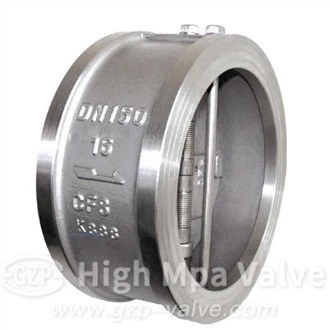
GZP dual -plate check valves are manufactured to the latest edition of API 594/API 6D and tested to API 598.All valves from GZP VALVE are strictly 100%tested before shipment to guarantee zero leakage.
Add to Inquiry LUG Dual Plate Check Valve
Dual-plate Check Valve is also called reflux valve, backpressure valve and one way valve. This type of valves is opened and closed by the force of the flow of media through the pipe.
Add to Inquiry Flange Dual Plate Check Valve
GZP dual -plate check valves are manufactured to the latest edition of API 594/API 6Dand tested to API 598.
Add to Inquiry
Advantages of Check Valve
Control Flow of Materials
One of the primary advantages of using check valves is that they allow for precise control over the flow of materials. These valves can be adjusted to regulate the flow rate, which is crucial in maintaining the efficiency of industrial processes. Check valves can also isolate different pipeline sections, allowing for repairs or maintenance without disrupting the system.
Prevent Backflow
Another significant advantage of check valves is their ability to prevent backflow. Backflow occurs when fluid or gas flows in the opposite direction, which can cause damage to equipment or even create safety hazards. Check valves are designed to prevent backflow by automatically closing when pressure changes occur, ensuring that materials only flow in one direction.
Durability
Check valves are built to withstand harsh industrial environments and can operate under high pressure and temperature conditions. These valves are made from durable materials such as stainless steel, cast iron, and brass, which can withstand corrosion and wear over time. This durability ensures that check valves have a long service life, reducing the need for frequent replacements and maintenance.
Low Maintenance
Check valves require minimal maintenance due to their simple design. These valves typically have fewer moving parts than others, reducing the likelihood of failure or malfunction. Additionally, check valves are easy to disassemble and clean, making them a cost-effective solution for industrial applications.
Cost-Effective
Finally, check valves are a cost-effective solution for controlling the flow of materials in industrial applications. These valves are relatively inexpensive compared to other valves, making them an attractive option for companies looking to reduce costs without sacrificing performance. Additionally, the low maintenance requirements of the check valves further reduce operating costs over time.
Types of Check Valve
Swing Check Valves
Swing check valves are known as the disc that swings around the hinge or trunnion when the liquid flows through. This is the kind of valve that is best suitable for low velocity and pressure systems as it necessitates only a little flow to open. Normally designed from robust materials such as cast iron, stainless steel, or brass, swing check valves are preferred for their simplicity and high efficiency in fluids used in a diverse range of applications.
Lift Check Valves
Lift check valves have a disc or cone that rises vertically away from the seat to permit flow and settles back to the seat to prevent reverse flow. They are ideally suited for applications in high-pressure systems where the flow velocity is sufficient to lift the disc. These valves commonly made of carbon steel or stainless steel are able to withstand the pressure of the aggressive media.
Dual-Plate Check Valves
The dual-plate check valve is designed as a pair of semi-circular plates that are hinged on the central axis and swing together under flow pressure to return to the closed position due to gravity or spring force when the flow stops. These valves being small and lightweight are able to be installed both horizontally and vertically. They are mostly used in applications where leak tightness is a major concern and are made from a variety of materials including cast iron, stainless steel, and alloy materials.
Non-Slam Check Valves
Non-slam check valves are designed to prevent the slamming of the valve disc which can be experienced in fast flow systems. This type of valve usually consists of a spring mechanism which provides for a rapid and controlled closure before the flow reversal and, as a result, dramatically reduces the water hammer and system shocks. The non-slam check valves are frequently involved in the liquid pumping applications which are made of durable metals such as bronze or stainless steel.
Tilting-Disc Check Valves
Tilting-disc check valves have a disc that tilts on a hinge to open, rather than lifting or swinging completely out of the flow path. This design is perfectly suited for quick closure and low-pressure drop, therefore, it works well for applications that require fast response and low flow resistance. They are commonly built from materials that are strong like cast iron or carbon steel to withstand high pressure and temperature.
Materials Used in Making Check Valves


Polyvinyl chloride (PVC): PVC is resistant to corrosion and flexibility. The smooth surface of PVC allows the check valve parts to move easily.
Chlorinated polyvinyl chloride (CPVC): CPVC has the same properties as PVC but withstands higher temperatures.
Bronze: Bronze can be used in low and medium-pressure applications, can be cast in complex configurations, and is resistant to corrosion.
Copper: Copper has the same capabilities as bronze, in addition to being easier to work with and being cheaper than bronze.
Cast Iron: Cast iron check valves are used in hot and cold water, heating, air conditioning, steam, gas, and municipal services due to their excellent corrosion resistance.
Ductile Iron: Ductile iron contains more than 3% carbon, which makes it easily bendable and shaped. It is stronger than cast iron and easier to machine than check valves.
Iron: Iron is used in steam, water, oil, and gas applications. It can withstand a wide range of temperatures and pressures. Its excellent performance is balanced by its high cost.
Stainless Steel: Stainless steel is resistant to corrosion and withstands harsh conditions, including chemical applications.
Polypropylene (PP): PP is used to make check valves because of its exceptional corrosion resistance. It is superior to that of CPVC and PVC.
Polyvinylidene difluoride (PVDF): PVDF plastic is used in applications that require exceptional clarity and resistance to acids, solvents, and hydrocarbons, for example.
Cast Steel: Cast steel is used to produce check valves because of its resistance to sudden shocks without deformation, breakage, or bending. It can also be easily formed into any type of check valve.
Application of Check Valve
Pharmaceutical and Food Processing
In pharmaceutical and food processing industries, maintaining hygiene and preventing cross-contamination is of utmost importance. Check valves are used to control the flow of fluids, gases, or ingredients in production lines, ensuring that there is no backflow that can compromise product quality or introduce contaminants. These valves are commonly found in processing equipment, filling machines, and packaging lines.
Water Treatment and Distribution
In water treatment plants and distribution systems, check valves are vital for maintaining the desired flow direction. They prevent the backflow of contaminated water, chemicals, or sewage into the clean water supply, ensuring the safety and quality of drinking water. Check valves are also used in irrigation systems to regulate the flow of water and prevent water hammer, a phenomenon that can damage pipes and equipment.
HVAC Systems
Heating, ventilation, and air conditioning (HVAC) systems rely on check valves to control the flow of refrigerants, air, or water. These valves allow the desired flow in one direction while preventing backflow, ensuring efficient operation and preventing damage to HVAC components. Check valves are commonly used in heat exchangers, chillers, and air handling units.
Power Generation
Check valves play a critical role in power generation facilities, including thermal power plants, nuclear power plants, and renewable energy systems. They are used to regulate the flow of steam, water, or other fluids in turbines, boilers, and condensers. By preventing backflow, check valves help maintain system efficiency, prevent damage, and ensure the safety of personnel.
Oil and Gas Industry
Check valves are extensively used in the oil and gas industry to ensure the smooth and uninterrupted flow of fluids in pipelines. They prevent the backflow of oil, gas, or other fluids, which can lead to contamination, equipment damage, or accidents. Check valves are commonly found in oil refineries, petrochemical plants, and natural gas distribution systems.
Automotive and Aerospace
Check valves are employed in automotive and aerospace applications to control the flow of fuel, oil, or hydraulic fluids. They prevent backflow, ensuring that fluids move in the intended direction and preventing damage to critical components. Check valves are commonly used in fuel systems, braking systems, and hydraulic systems in vehicles and aircraft.
How does a check valve work
Cracking pressure
A check valve requires a minimum pressure differential between the inlet and outlet to open, allowing media to flow through it. This minimum upstream pressure at which the valve opens is called the check valve's cracking pressure. The specific cracking pressure changes based on the valve design and size, so ensure that the system's pressure can generate the cracking pressure of the chosen check valve(s).

Closing
If the upstream pressure falls below the cracking pressure or there is back pressure (flow attempting to move from the outlet to the inlet), the one way check valve will close. Typically, check valves have a gate, ball, diaphragm, or disc pressed against a seal to close the valve and block flow. Gravity or a spring can assist in the closing process.

Installation orientation
As a one-way valve only allows flow in one direction, knowing the correct installation orientation is crucial. Typically, an arrow on the valve's housing (Figure 3) indicates the flow direction. If there isn't an arrow, examine the valve to ensure it is installed in the intended flow direction. If the valve is installed backward, the media cannot move through the system, and the resulting pressure build-up can cause damage.

Normally open and normally closed check valves
A normally open check valve allows the medium to flow freely but shuts off the flow in case of backflow. A normally closed check valve prevents the flow of media through it until the cracking pressure builds up, at which point the valve opens.
What Are the Functions of a Check Valve?
Prevents Backflow
The primary function of a check valve is to prevent the backflow of fluids in a piping system. It ensures that the flow of fluid occurs in one direction only, effectively blocking reverse flow. This is especially important in situations where backflow could cause damage, contamination, or interference with the intended flow direction.
Protects Equipment and Systems
Check valves help safeguard equipment and systems by preventing potential damage caused by reverse flow. They act as a barrier, preventing fluids from flowing back and causing issues such as pump damage, pipe collapse, water hammer, or contamination of sensitive components.
Maintains Pressure
Check valves assist in maintaining optimal pressure levels within a system. By allowing fluid to flow in the desired direction and preventing backflow, they help maintain the desired pressure conditions, ensuring efficient operation of pumps, regulators, and other pressure-sensitive equipment.
Enhances System Efficiency
Check valves contribute to the overall efficiency of a system. By preventing reverse flow, they eliminate the need for additional pumps or mechanisms to counteract backflow, thereby reducing energy consumption and operational costs.
Minimizes Water Hammer
Water hammer, characterized by sudden pressure surges or shockwaves in a system, can lead to pipe damage and system failure. Check valves help mitigate water hammer by preventing reverse flow and the subsequent pressure spikes that can occur.
Allows for System Isolation and Maintenance
Check valves provide a means of isolating sections of a system for maintenance or repairs. By closing off the valve, the flow of fluids can be stopped in a specific direction, allowing for safe and efficient maintenance procedures.
Common Problems with Check Valves
Water Hammer
Water hammer is caused by a pressure surge when there is a sudden stop in the flow of a gas or fluid and the valve suddenly closes, which causes noise and vibrations. Water hammer can damage the system and lead to costly repairs. Water hammer can be mitigated by using check valves that close quickly, thereby preventing pressure surges and shock waves. Silent check valves are one effective solution to address this issue.
Reverse Flow
Reverse flow can be damaging and costly, as it may cause a pump to spin in the wrong direction. This issue can be addressed with tightly fitting, fast-closing check valves. Spring-assisted check valves, in particular, are beneficial because they react quickly to prevent reverse flow.
Oversizing
Some check valve systems experience chattering due to frequent opening and closing of the valve, often caused by an oversized valve. Proper sizing is crucial when installing a check valve to ensure it fits the application. The disc must remain stable when open and create a complete seal when closed to prevent issues like fluttering, repeated cycling, and potential valve failure.
Installation
Improper installation and assembly of a check valve can lead to future issues. The initial step is to select the appropriate check valve for the application, considering factors such as flow capacity, positioning, and orientation. Installing a check valve too close to a pump, for example, can result in turbulence and potential damage to the valve. Check valves should be installed at least several straight pipe diameters upstream from circulators, elbows, tees, and strainers to avoid turbulence and prevent the disc from rattling against the seat.
What To Consider When Selecting a Check Valve
Flow Rate and Pressure Drop Considerations
One of the primary things to consider when selecting a check valve is the flow rate and pressure drop of the fluid. The type of check valve selected should be able to handle the anticipated flow rate and pressure drop while minimizing head loss.
Material Selection Considerations
The material of the check valve is also an important factor, as it affects the compatibility of the valve with the fluid being transported. In addition, different materials have different chemical resistance and durability properties, and the selected material should be able to withstand the specific environment and conditions of the application.
Temperature and Pressure Limitations
Check valves also have specific temperature and pressure limitations that must be considered when selecting a valve. The valve should be able to withstand the maximum temperature and pressure of the fluid without failure or damage.
Installation, Maintenance, and Cost Considerations
Finally, when choosing a check valve, it’s important to account for the initial purchase cost, assembly expenses, maintenance fees, and ongoing running costs. Cost is typically a significant factor, following quality and functionality. While low purchase prices may seem attractive, they can result in high maintenance and running expenses. Also, a low-cost check valve that fails to perform its intended function can cause serious issues at a pumping station.
3 Effective Methods to Prevent Check Valve Failure
The first step in valve maintenance is making sure the pipeline and valves are clean and free of debris. Filters are a simple and effective way to prevent debris from entering the system. If debris does get in the piping, flush the pipes to minimize buildup and remove settled debris. It’s essential to establish a consistent maintenance schedule on all check valves.
This method can improve the function and longevity of the system. Choose a properly sized check valve based on vertical or horizontal orientation, type of media, and the normally expected flow condition specific to the application—not the size of the pipeline. Incorrectly sized valves can cost more, reduce flow velocity, and cause malfunctions such as water hammer. For optimal performance, the valves must be installed correctly and used as directed in the manufacturer’s instructions.
Sometimes a system may need proper routine inspections to maintain tight shutoff and prevent premature check valve failure. You can keep a tight shut off by removing any foreign matter.If flushing hasn’t helped, remove and completely disassemble the valve. Inspect it for scratches on the valve seat and the disc. Then, wash all parts in clean fluid that is used in the system. As you reassemble the valve, inspect the housing and trim parts for any corrosion or erosion. Replace the valve if there is corrosion or excessive roughness due to erosion.
Our Certifications
CE, ISO9001, API 6D, ISO14000, ISO18000


Ultimate FAQ Guide to Check Valve
We're well-known as one of the leading check valve manufacturers and suppliers in China. If you're going to buy high quality check valve at competitive price, welcome to get more information from our factory.
angle check valve, crane check valve, backwater check valve