




When it comes to the world of ball valves, one question that frequently arises is whether ball valve prices are affected by the valve's actuation type. As a ball valve price supplier with years of experience in the industry, I've delved deep into this topic to offer you a comprehensive analysis.
Types of Actuation and Their Impact on Cost
Ball valves can be actuated in several ways, each with its own set of features, benefits, and cost implications. The most common actuation types include manual, electric, pneumatic, and hydraulic.
Manual Actuation
Manual ball valves are the simplest and most cost - effective option. They are operated by a lever or a handwheel, which directly rotates the ball inside the valve to control the flow of fluid. The manufacturing process for manual valves is relatively straightforward, involving fewer components and less complex technology. This simplicity translates into a lower price point. Manual valves are ideal for applications where the valve doesn't need to be operated frequently or where automation is not required. For example, in small - scale plumbing systems or in situations where cost is a major constraint, manual ball valves are the go - to choice.
Electric Actuation
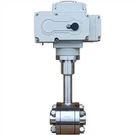
Electrically actuated ball valves offer a high level of automation and precision. They are controlled by an electric motor, which can be programmed to open or close the valve at specific times or in response to certain signals. The added cost of an electric actuator includes the cost of the motor, the control system, and the wiring. Additionally, engineering and installation costs are often higher because electrical systems need to be properly integrated and grounded. Electric actuators are commonly used in industrial applications where precise control and automation are critical, such as in chemical processing plants or water treatment facilities. The price of an electric - actuated ball valve can be two to three times more than a manual valve, depending on the size and specifications.
Pneumatic Actuation
Pneumatic actuation uses compressed air to operate the ball valve. Pneumatic actuators are known for their fast operation and high reliability. They are relatively simple in design compared to electric actuators, but they still require an air supply system, which adds to the overall cost. The price of a pneumatically actuated ball valve is typically between that of a manual and an electric valve. Pneumatic valves are widely used in industries where a clean and fast - acting control mechanism is needed, such as in food and beverage production, where the use of compressed air avoids the risk of electrical sparks.
Hydraulic Actuation
Hydraulic - actuated ball valves are the most powerful and are often used in heavy - duty industrial applications. They use hydraulic fluid under pressure to operate the valve. Hydraulic systems require a pump, hydraulic lines, and a reservoir, all of which contribute to the high cost. These valves can handle extremely high pressures and large - scale operations, such as in oil and gas pipelines or power generation plants. The cost of a hydraulic - actuated ball valve can be significantly higher than other actuation types, mainly due to the complexity of the hydraulic system and the need for specialized maintenance.
Additional Factors That Combine with Actuation Type to Affect Price
It's important to note that the actuation type is not the only factor that affects the price of a ball valve. The material of construction also plays a crucial role. For example, a stainless - steel ball valve will generally be more expensive than a brass valve due to the higher cost of stainless steel. Similarly, Cryogenic Ball Valve are designed to operate at extremely low temperatures and require special materials and construction techniques, which make them more costly.
The size of the valve is another important factor. Larger valves require more material and are more complex to manufacture, regardless of the actuation type. So, a large - diameter hydraulic - actuated ball valve will be much more expensive than a small - diameter manually - actuated one.
The level of quality and certification also impacts the price. Valves that are certified for use in high - risk or critical applications, such as those in the nuclear or aerospace industries, will have a premium price tag due to the strict quality control and testing requirements.
Market Demand and Pricing Trends
The overall market demand for different actuation types can also influence the price. If there is a high demand for a particular actuation type, such as electric actuators due to the growing trend of industrial automation, the price may increase. Conversely, if there is an oversupply of a certain type, the price may decrease.
In recent years, the trend towards more sustainable and energy - efficient solutions has also affected ball valve pricing. Electric actuators are becoming more popular due to their potential for energy savings through precise control. As a result, the market competition for electric - actuated ball valves is increasing, which can sometimes lead to more competitive pricing.
Making the Right Choice for Your Application
When considering the cost of a ball valve, it's essential to evaluate your specific application requirements. If cost is the primary concern and the application doesn't require frequent operation or automation, a manual ball valve is the obvious choice. However, if you need precise control, fast operation, or remote control capabilities, you'll need to consider the benefits of electric, pneumatic, or hydraulic actuation despite the higher cost.
It's also important to factor in the long - term costs, including maintenance, energy consumption, and the expected lifespan of the valve. For example, an electric - actuated valve may have a higher upfront cost but could result in lower energy consumption and maintenance costs over time compared to a less efficient alternative.
Conclusion and Invitation to Connect
In conclusion, the actuation type of a ball valve does have a significant impact on its price. Each actuation type offers different features and benefits, and the decision should be based on a careful evaluation of your application needs, budget, and long - term considerations.


As a ball valve price supplier, we understand the complexities involved in choosing the right valve for your project. We have a wide range of ball valves with different actuation types, materials, and sizes to meet your specific requirements. Whether you're working on a small - scale plumbing project or a large - scale industrial application, we can provide you with expert advice and competitive pricing.
If you're interested in learning more about our ball valve products or need a custom quote, we invite you to connect with us. Our team of experienced professionals is ready to assist you in making the right choice for your application. Start exploring our options today and take the first step towards a more efficient and cost - effective valve solution.
References
- Valves Handbook: A Guide to Valve Selection, Sizing, and Installation, Industrial Press Inc.
- Ball Valve Design and Application, Butterworth - Heinemann