


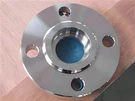


As a supplier of 3 Way Ball Valves, I often get asked if these valves can be used in water treatment applications. And the answer is a resounding yes! 3 way ball valves are incredibly versatile and well - suited for a variety of water treatment processes. Let's dive into why.


Understanding 3 Way Ball Valves
First off, let's make sure we're all on the same page about what a 3 way ball valve is. A 3 Way Ball Valve has three ports and a ball with a hole through it. By rotating the ball, you can control the flow of fluid between the ports in different ways. There are two common types of 3 way ball valves: L - port and T - port.
L - port 3 way ball valves can direct flow in two different paths. For example, it can either connect port A to port B or port A to port C. This makes it great for applications where you need to switch between two sources or destinations.
On the other hand, T - port 3 way ball valves offer more flexibility. They can connect all three ports simultaneously, or connect two ports while blocking the third. This allows for mixing, diverting, or splitting of the fluid flow.
Why 3 Way Ball Valves are Ideal for Water Treatment
Flow Control
In water treatment plants, precise control of water flow is crucial. Whether it's directing water from different sources, like wells or rivers, to treatment tanks, or diverting treated water to storage or distribution systems, 3 way ball valves can handle the job. Their ability to quickly and accurately change the flow path means that operators can respond to changing water demands and treatment requirements on the fly.
For instance, in a desalination plant, you might need to switch between the intake of seawater and the recirculation of partially treated water. An L - port 3 way ball valve can do this job easily, ensuring that the right water is being processed at the right time.
Mixing and Blending
Water treatment often involves adding chemicals such as coagulants, disinfectants, and pH adjusters to the water. A T - port 3 Way Ball Valve can be used to mix these chemicals with the water. It can blend the chemical solution with the main water stream in a controlled manner, ensuring that the chemicals are evenly distributed throughout the water.
Let's say you're treating water for a large municipal supply. You need to add chlorine to disinfect the water. A T - port valve can be used to mix the chlorine solution with the incoming water, allowing for a consistent level of disinfection.
Isolation and Bypass
Sometimes, you need to isolate a particular part of the water treatment system for maintenance or repair. 3 way ball valves can be used to bypass the affected section while keeping the rest of the system operational. This minimizes downtime and ensures that the water treatment process can continue without major disruptions.
For example, if a particular filter in the system needs to be replaced, a 3 way ball valve can be adjusted to redirect the water flow around the filter until the maintenance is complete.
Materials and Durability
When it comes to water treatment, the materials of the valve are extremely important. Water can contain various chemicals, minerals, and contaminants that can corrode or damage the valve over time. That's why our 3 way ball valves are made from high - quality materials such as cast steel, stainless steel, and brass.
Cast steel valves are strong and durable, making them suitable for high - pressure applications. They can withstand the rigors of continuous operation in water treatment plants. Stainless steel valves, on the other hand, offer excellent corrosion resistance, which is essential when dealing with treated water that may contain chemicals. Brass valves are a great option for low - pressure applications and are known for their good machinability and affordability.
Installation and Maintenance
Installing a 3 way ball valve in a water treatment system is relatively straightforward. They can be easily integrated into existing piping systems. However, it's important to follow the manufacturer's guidelines to ensure proper installation. This includes making sure the valve is the right size for the pipe, and that it's installed in the correct orientation.
Maintenance of 3 way ball valves is also simple. Regular inspections can help detect any signs of wear or damage early on. Lubrication of the valve stem may be required from time to time to ensure smooth operation. And if any parts need to be replaced, our valves are designed for easy replacement, minimizing the time and effort required for maintenance.
Cost - Effectiveness
In the long run, using 3 way ball valves in water treatment applications can be cost - effective. Their durability means that they don't need to be replaced frequently, reducing the overall cost of ownership. Additionally, their ability to improve the efficiency of the water treatment process can lead to savings in energy and chemical usage.
For example, by using a 3 way ball valve to accurately control the flow of chemicals, you can avoid over - dosing, which not only saves on chemical costs but also reduces the environmental impact.
Real - World Applications
3 way ball valves are already being used in a wide range of water treatment applications around the world. In industrial water treatment, they are used to control the flow of cooling water, process water, and wastewater. In municipal water treatment plants, they play a vital role in the treatment and distribution of drinking water.
For instance, in a large industrial facility, 3 way ball valves are used to direct the flow of water between different treatment stages, such as sedimentation, filtration, and disinfection. This ensures that the water meets the required quality standards before it's used in the industrial processes.
Conclusion
So, to answer the question, “Can a 3 way ball valve be used in a water treatment application?” The answer is a definite yes. Their versatility, durability, and cost - effectiveness make them a great choice for water treatment plants of all sizes. Whether you're looking to control flow, mix chemicals, or isolate parts of the system, a 3 way ball valve can get the job done.
If you're in the market for 3 way ball valves for your water treatment application, we'd love to hear from you. We have a wide range of valves to suit different needs and budgets. Get in touch with us to start a discussion about your requirements and how our 3 Way Ball Valve solutions can benefit your water treatment system.
References
- Fundamentals of Water Treatment Unit Processes: Physical, Chemical, and Biological by Mark J. Hammer and Mark J. Hammer Jr.
- Water Treatment Plant Design by McGraw - Hill Professional