


Hey there! As a supplier of API PLUG Valves, I often get asked whether these valves can be used in chemical applications. Well, let's dive right into it and explore this topic in detail.
First off, let's understand what API PLUG Valves are. API, which stands for American Petroleum Institute, sets the standards for a wide range of equipment used in the oil and gas industry. API PLUG Valves are designed to meet these rigorous standards, ensuring high - quality and reliable performance. They are quarter - turn valves that use a cylindrical or conical plug to control the flow of fluid.
Now, when it comes to chemical applications, there are several factors to consider. Chemicals can be highly corrosive, abrasive, or reactive, so the valve material and design need to be able to withstand these harsh conditions.
Material Compatibility
One of the most crucial aspects of using API PLUG Valves in chemical applications is material compatibility. Different chemicals react differently with various materials. For example, strong acids like sulfuric acid can corrode many metals, while some organic solvents can swell or dissolve certain plastics.
API PLUG Valves are available in a variety of materials, including stainless steel, carbon steel, and various alloy steels. Stainless steel is a popular choice for many chemical applications because of its excellent corrosion resistance. It can handle a wide range of acids, alkalis, and salts without significant degradation. Carbon steel, on the other hand, is more cost - effective but may not be suitable for highly corrosive chemicals. Alloy steels, such as Hastelloy or Inconel, are used for extremely corrosive environments, like those containing high - temperature and high - pressure acids.
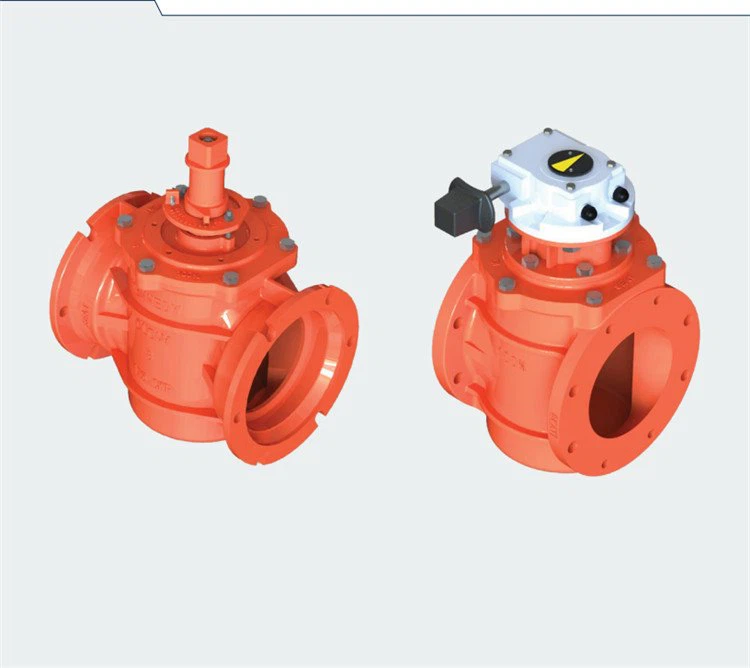

In addition to the body material, the plug and seal materials also play a vital role. PTFE (polytetrafluoroethylene) is a commonly used seal material in API PLUG Valves for chemical applications. It has excellent chemical resistance, low friction, and good sealing properties. You can check out our Half Full Jacket PLUG Valve PTFE which is specifically designed with PTFE components for enhanced chemical resistance.
Design Features
The design of API PLUG Valves also makes them suitable for chemical applications. Many API PLUG Valves have a self - cleaning design. As the plug rotates, it wipes the seat clean, preventing the build - up of deposits or solids that could otherwise cause leakage or valve failure. This is particularly important in chemical processes where solids can be present in the fluid, such as in some crystallization or precipitation reactions.
Another important design feature is the tight shut - off capability. In chemical applications, it is often crucial to prevent any leakage of the chemical fluid, either to avoid environmental contamination or to ensure the integrity of the process. API PLUG Valves can provide a tight seal, minimizing the risk of leakage. For example, our DBB PLUG Valve offers double - block - and - bleed functionality, which provides an extra level of safety by isolating the fluid in two different ways.
Flow Control
API PLUG Valves offer excellent flow control capabilities, which is essential in chemical applications. The quarter - turn operation allows for quick opening and closing of the valve, which is useful in processes where rapid flow changes are required. Moreover, the plug can be designed with different port sizes and shapes to achieve different flow characteristics. For example, a full - port plug provides a straight - through flow path with minimal pressure drop, while a reduced - port plug can be used to control the flow rate more precisely.
Specialized API PLUG Valves for Chemicals
We also have specialized API PLUG Valves for specific chemical applications. Our Eccentricl PLUG Valve is designed with an eccentric plug, which provides a more gradual sealing action. This is beneficial in applications where the chemical fluid has a high viscosity or contains abrasive particles. The eccentric design reduces the wear on the seat and plug, extending the valve's service life.
Temperature and Pressure Considerations
Chemical processes can involve a wide range of temperatures and pressures. API PLUG Valves are designed to handle different temperature and pressure conditions. They are tested and rated according to API standards to ensure their performance under various operating conditions. For high - temperature applications, the valve materials need to have good thermal stability to prevent deformation or loss of sealing properties. Similarly, for high - pressure applications, the valve body and components need to be strong enough to withstand the pressure without failure.
Installation and Maintenance
Proper installation and maintenance are key to ensuring the long - term performance of API PLUG Valves in chemical applications. When installing the valve, it is important to follow the manufacturer's instructions carefully. The valve should be installed in the correct orientation, and the piping should be properly aligned to avoid any stress on the valve.
Regular maintenance is also essential. This includes inspecting the valve for any signs of wear, corrosion, or leakage, and replacing any worn - out components as needed. Lubrication of the plug and stem is also important to ensure smooth operation.
In conclusion, API PLUG Valves can definitely be used in chemical applications. Their wide range of available materials, excellent design features, flow control capabilities, and specialized models make them a reliable choice for handling various chemicals. If you're involved in a chemical process and need a high - quality valve, I encourage you to get in touch with us. We can help you select the right API PLUG Valve for your specific application based on the chemical properties, temperature, pressure, and flow requirements. Whether you're looking for a standard valve or a customized solution, we've got you covered. Reach out to us today to start the procurement process and discuss your needs in detail.
References
- API Standards for Valves and Fittings
- Chemical Engineering Handbook
- Manufacturer's Technical Documentation for API PLUG Valves