


How often should an API PLUG Valve be lubricated?
As a reliable supplier of API PLUG Valves, I often receive inquiries from customers regarding the optimal lubrication frequency for these essential industrial components. In this blog post, I will delve into the factors that influence lubrication intervals and provide some general guidelines to help you maintain the performance and longevity of your API PLUG Valves.
Understanding the Role of Lubrication in API PLUG Valves
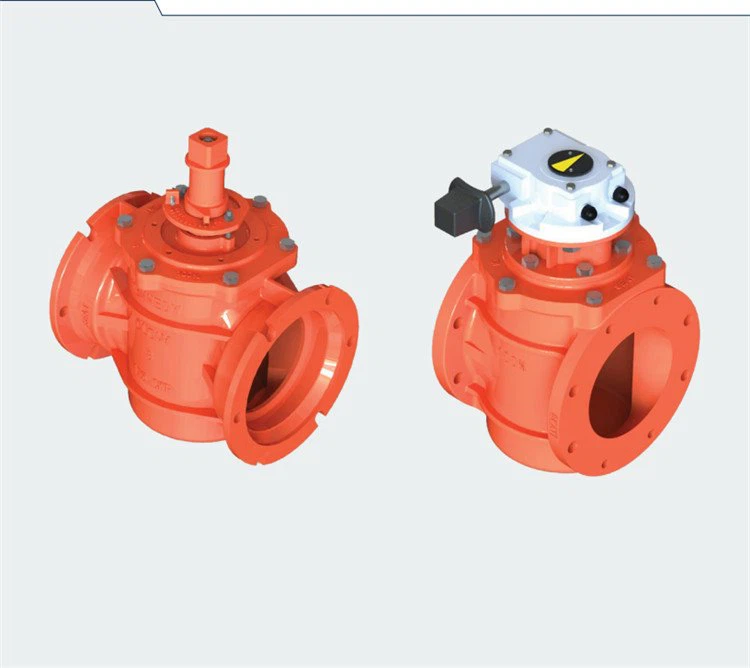
API PLUG Valves are widely used in various industries, including oil and gas, chemical processing, and power generation, to control the flow of fluids. These valves operate by rotating a plug within a body to open or close the flow path. Lubrication plays a crucial role in ensuring smooth operation, reducing friction, preventing wear and tear, and enhancing the sealing performance of the valve.
Adequate lubrication helps to create a protective film between the moving parts of the valve, such as the plug and the body, reducing the risk of galling and seizure. It also helps to prevent the ingress of contaminants, which can cause damage to the valve components and compromise its performance. Additionally, lubrication can improve the sealing efficiency of the valve, reducing the likelihood of leakage and ensuring reliable operation.
Factors Affecting Lubrication Frequency
The frequency at which an API PLUG Valve should be lubricated depends on several factors, including the operating conditions, the type of lubricant used, and the design of the valve. Here are some key factors to consider:
Operating Conditions
The operating conditions of the valve have a significant impact on the lubrication requirements. Valves that are exposed to high temperatures, high pressures, corrosive environments, or abrasive fluids may require more frequent lubrication to ensure proper operation. For example, valves in a refinery or chemical plant may need to be lubricated more often than those in a less demanding application.
The frequency of valve operation also affects the lubrication needs. Valves that are operated frequently, such as those in a continuous process, may require more frequent lubrication to maintain smooth operation. On the other hand, valves that are operated infrequently may not need to be lubricated as often.
Type of Lubricant
The type of lubricant used in the valve is another important factor to consider. Different lubricants have different properties and performance characteristics, and the choice of lubricant will depend on the operating conditions and the requirements of the valve. Some lubricants are designed for high-temperature applications, while others are more suitable for corrosive environments.
The quality of the lubricant also plays a role in determining the lubrication frequency. High-quality lubricants that are formulated to provide long-lasting protection and performance may require less frequent application than lower-quality lubricants. It is important to use a lubricant that is recommended by the valve manufacturer and to follow the manufacturer's guidelines for lubrication.
Valve Design
The design of the API PLUG Valve can also affect the lubrication requirements. Some valves are designed with built-in lubrication systems that automatically dispense lubricant at regular intervals, while others require manual lubrication. Valves with self-lubricating materials or coatings may also require less frequent lubrication.
The size and configuration of the valve can also impact the lubrication frequency. Larger valves may require more lubricant and more frequent lubrication than smaller valves. Additionally, valves with complex designs or multiple moving parts may require more attention to ensure proper lubrication.
General Guidelines for Lubrication Frequency
While the lubrication frequency for API PLUG Valves will vary depending on the specific operating conditions and valve design, here are some general guidelines to help you determine how often to lubricate your valves:
New Valves
When installing a new API PLUG Valve, it is important to lubricate the valve before commissioning. This helps to ensure proper seating of the plug and to prevent damage to the valve components during initial operation. Follow the manufacturer's recommendations for the type and amount of lubricant to use.
Regular Maintenance
For valves that are in regular operation, it is generally recommended to lubricate the valve at least once every six months. However, this interval may need to be adjusted based on the operating conditions and the factors discussed above. For example, valves in high-temperature or corrosive environments may need to be lubricated more frequently, while valves in less demanding applications may be able to go longer between lubrications.
It is also a good practice to inspect the valve regularly for signs of wear, damage, or leakage. If any issues are detected, it may be necessary to lubricate the valve more frequently or to take other corrective actions.
Infrequently Operated Valves
Valves that are operated infrequently, such as those in standby or emergency systems, may not need to be lubricated as often. However, it is still important to lubricate these valves periodically to prevent the plug from sticking and to ensure that the valve will operate properly when needed. A general guideline is to lubricate infrequently operated valves at least once a year.
Special Considerations
In some cases, additional lubrication may be required based on the specific requirements of the application. For example, valves that are used in applications where the fluid contains abrasive particles may need to be lubricated more frequently to prevent wear on the valve components. Similarly, valves that are exposed to extreme temperatures or pressures may require special lubricants or more frequent lubrication to ensure reliable operation.
Types of API PLUG Valves and Their Lubrication Requirements
There are several types of API PLUG Valves available, each with its own unique design and lubrication requirements. Here are some common types of API PLUG Valves and their general lubrication guidelines:
Eccentricl PLUG Valve
The Eccentricl PLUG Valve is designed with an eccentric plug that provides a tight seal and low torque operation. These valves typically require less lubrication than other types of plug valves due to their self-lubricating design. However, it is still important to lubricate the valve periodically to ensure smooth operation and to prevent wear.
Jacket PLUG Valve PTFE
The Jacket PLUG Valve PTFE is a type of plug valve that is lined with PTFE to provide excellent chemical resistance. These valves may require more frequent lubrication than other types of plug valves, especially if they are used in applications where the fluid is highly corrosive. It is important to use a lubricant that is compatible with PTFE and to follow the manufacturer's recommendations for lubrication.
DBB PLUG Valve
The DBB PLUG Valve is a double-block-and-bleed valve that provides a high level of safety and reliability. These valves typically require regular lubrication to ensure proper sealing and to prevent leakage. Follow the manufacturer's guidelines for lubrication frequency and the type of lubricant to use.
Conclusion
Proper lubrication is essential for the reliable operation and longevity of API PLUG Valves. The frequency at which an API PLUG Valve should be lubricated depends on several factors, including the operating conditions, the type of lubricant used, and the design of the valve. By following the general guidelines outlined in this blog post and by considering the specific requirements of your application, you can ensure that your API PLUG Valves are properly lubricated and maintained.
If you have any questions or need further assistance with lubricating your API PLUG Valves, please do not hesitate to contact us. As a leading supplier of API PLUG Valves, we have the expertise and experience to help you choose the right lubrication solution for your valves and to ensure their optimal performance. We look forward to working with you to meet your valve lubrication needs.

References
- API Standard 6D - Pipeline Valves
- Valve Manufacturer's Installation, Operation, and Maintenance Manuals