


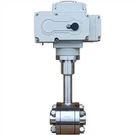
As a supplier of DIB (Double Isolation and Bleed) Ball Valves, ensuring the safety of these valves during operation is of utmost importance. DIB Ball Valves are widely used in various industries such as oil and gas, chemical, and water treatment due to their ability to provide reliable isolation and control of fluid flow. In this blog post, I will share some key aspects and strategies on how to guarantee the safety of DIB Ball Valves during their operation.
Pre - installation Checks
- Inspection of the Valve: Before installing the DIB Ball Valve, a thorough physical inspection is essential. This includes checking for any visible damage such as cracks, dents, or scratches on the valve body, ball, and stem. The integrity of the valve's seats and seals should also be closely examined. Any signs of wear or damage can lead to leakage and potential safety hazards during operation.
- Correct Sizing and Selection: It is crucial to select the right size and type of DIB Ball Valve for the specific application. Consider factors such as the operating pressure, temperature, and flow rate of the fluid. Incorrect sizing can cause excessive stress on the valve, which may result in failure. For instance, if the valve is too small for the flow rate, it can lead to high - velocity flow and erosion of the internal components. Our company offers a wide range of DIB Ball Valves, including DBB Ball Valve, Cast Trunnion Ball Valve, and Forged Trunnion Ball Valve, to meet different industrial requirements.
- Flange and Pipe Compatibility: Ensure that the valve's flanges are compatible with the pipes in terms of size, pressure rating, and flange facing. A proper flange connection is vital to prevent leaks. Use the correct gasket material appropriate for the fluid and operating conditions.
Installation Procedure
- Proper Orientation: Install the DIB Ball Valve in the correct orientation as specified by the manufacturer. Most DIB Ball Valves are designed to be installed with the actuator in a certain position for optimal performance. Incorrect orientation can lead to uneven wear on the valve components and may affect the valve's ability to provide proper isolation.
- Torqueing of Bolts: When bolting the valve to the pipes, use the correct torque values as recommended. Over - tightening can damage the flanges or gaskets, while under - tightening can result in leaks. Use a calibrated torque wrench to ensure accurate torque application.
- Wiring and Actuator Installation: If the DIB Ball Valve is equipped with an actuator, follow the manufacturer's instructions for wiring and installation. Improper wiring can lead to malfunction of the actuator, which may cause the valve to operate incorrectly.
Operational Monitoring
- Regular Inspection: Conduct regular visual inspections of the DIB Ball Valve during operation. Look for signs of leakage, such as wet spots around the valve body, flanges, or stem. Check for any abnormal noises, vibrations, or changes in the operating torque. These can be early indicators of potential problems.
- Pressure and Temperature Monitoring: Continuously monitor the operating pressure and temperature of the fluid passing through the valve. Excessive pressure or temperature can cause the valve components to expand or deform, leading to failure. Set up pressure and temperature sensors near the valve and establish alarms to alert operators when the values exceed the recommended limits.
- Actuator Performance Monitoring: If the valve is actuated, monitor the performance of the actuator. Check for proper opening and closing times, and ensure that the actuator is responding accurately to control signals. Any deviation from the normal performance should be investigated promptly.
Maintenance and Repair
- Lubrication: Regular lubrication of the valve stem and other moving parts is necessary to reduce friction and wear. Use the lubricant recommended by the manufacturer and apply it at the intervals specified in the maintenance manual.
- Seal Replacement: Over time, the valve's seals may wear out and need to be replaced. Keep a stock of spare seals and replace them as soon as signs of leakage are detected.
- ** Component Inspection and Repair**: Periodically, disassemble the valve for a more comprehensive inspection. Check the condition of the ball, seats, and stem. Repair or replace any damaged components to ensure the valve's proper functioning.
Employee Training
- Operator Training: Provide comprehensive training to the operators who will be using the DIB Ball Valves. They should understand the valve's operation principles, safety procedures, and how to respond to potential emergencies. Training should include hands - on exercises and simulations to ensure operators are familiar with the valve's operation.
- Maintenance Staff Training: Train the maintenance staff on proper maintenance and repair procedures for the DIB Ball Valves. They should be able to diagnose problems accurately and carry out repairs in a timely and safe manner.
Emergency Response Planning
- Leak Containment: Develop a plan for containing leaks in case of a valve failure. This may include having leak - detection systems in place and providing suitable containment devices such as drip pans or berms.
- Shutdown Procedures: Establish clear shutdown procedures for the valve and the associated system in case of an emergency. Operators should know how to quickly and safely shut down the valve to prevent further damage or hazards.
- Emergency Equipment: Keep emergency equipment such as fire extinguishers, personal protective equipment, and first - aid kits readily available near the valve installation area.
In conclusion, ensuring the safety of a DIB Ball Valve during operation requires a comprehensive approach that includes pre - installation checks, proper installation, operational monitoring, maintenance, employee training, and emergency response planning. By following these guidelines, you can minimize the risk of valve failure and ensure the safe and reliable operation of your DIB Ball Valves in your industrial processes.


If you are interested in purchasing high - quality DIB Ball Valves or need further advice on valve safety, we are here to assist you. Contact us for a detailed discussion on your specific requirements and to explore how our products can meet your needs.
References
- Valve Manufacturer's Installation, Operation, and Maintenance Manuals
- Industry Standards for Valve Safety and Operation, such as API (American Petroleum Institute) Standards
- Technical Papers on Valve Design and Performance in Industrial Applications