


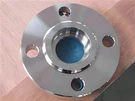


Hey there! I'm a supplier of ASME B16.5 RTJ flanges, and today I wanna share some tips on how to maintain these bad boys. ASME B16.5 RTJ flanges are super important in a bunch of industries, like oil and gas, chemical, and power generation. Keeping them in good shape is crucial for the safety and efficiency of your operations.
Understanding ASME B16.5 RTJ Flanges
First off, let's quickly go over what ASME B16.5 RTJ flanges are. RTJ stands for Ring Type Joint, and these flanges are designed to create a tight seal in high-pressure and high-temperature applications. They use a metal ring gasket that fits into a grooved flange face. The ASME B16.5 standard specifies the dimensions, materials, and tolerances for these flanges, ensuring they meet industry requirements.
There are different types of ASME B16.5 RTJ flanges, and they come in various sizes. You can check out RF Flange NPS 1/2~NPS24 and RF Flange NPS 26~NPS60 on our website to get an idea of the available options. Also, Weld Neck Flange is another popular type that's known for its strength and durability.
Regular Inspection
The first step in maintaining ASME B16.5 RTJ flanges is regular inspection. You should visually check the flanges for any signs of damage, such as cracks, corrosion, or deformation. Look at the flange faces, especially the grooves where the ring gaskets sit. Any nicks or scratches in these areas can prevent a proper seal.
Inspect the bolts and nuts that hold the flanges together. Make sure they're tightened to the correct torque specification. Loose bolts can lead to leaks, while over-tightening can damage the flanges or the gaskets. You might need to use a torque wrench to ensure accurate tightening.
Check the ring gaskets as well. Look for signs of wear, such as flattening or distortion. If you notice any issues with the gaskets, replace them immediately. Using a damaged gasket can result in leaks, which can be dangerous and costly.
Cleaning
Cleaning is an important part of flange maintenance. Over time, dirt, debris, and corrosion products can build up on the flange surfaces. This can interfere with the sealing ability of the flanges and gaskets.
Use a suitable cleaning agent to remove the dirt and grime from the flange faces. Be careful not to use abrasive materials that could scratch the surfaces. After cleaning, dry the flanges thoroughly to prevent rusting.
If there's corrosion on the flanges, you might need to use a rust remover. However, make sure to follow the manufacturer's instructions and test the remover on a small, inconspicuous area first to avoid damaging the flange.
Lubrication
Lubricating the bolts and nuts can help prevent corrosion and make it easier to tighten and loosen them. Use a high-quality lubricant that's suitable for the operating conditions of your flanges. Apply the lubricant to the threads of the bolts and nuts before installation.
Lubricating the ring gaskets can also improve their sealing performance. Some gaskets come pre-lubricated, but if yours don't, you can use a lubricant recommended by the gasket manufacturer.
Storage
Proper storage is essential to keep your ASME B16.5 RTJ flanges in good condition when they're not in use. Store the flanges in a clean, dry place away from direct sunlight and moisture.
If you're storing the flanges for an extended period, you might want to apply a protective coating to prevent corrosion. Wrap the flanges in a protective material, such as plastic or paper, to keep them clean and prevent scratches.
Handling
When handling ASME B16.5 RTJ flanges, be careful not to drop or damage them. Use appropriate lifting equipment, such as slings or forklifts, to move the flanges safely.
Avoid dragging the flanges across rough surfaces, as this can scratch the surfaces and damage the gaskets. When installing the flanges, make sure they're properly aligned to prevent stress on the gaskets and bolts.
Training
Make sure your employees are properly trained in flange maintenance. They should know how to inspect, clean, lubricate, and install the flanges correctly. Training can help prevent mistakes that could lead to leaks or other problems.


Provide your employees with the necessary tools and equipment for flange maintenance. This includes torque wrenches, cleaning agents, lubricants, and replacement gaskets.
Documentation
Keep detailed records of all flange maintenance activities. This includes inspection results, cleaning schedules, gasket replacements, and any repairs or modifications. Documentation can help you track the history of your flanges and identify any recurring issues.
Having good documentation can also be useful for regulatory compliance. In some industries, you're required to keep records of equipment maintenance to ensure safety and quality.
When to Replace
Even with proper maintenance, ASME B16.5 RTJ flanges will eventually need to be replaced. Signs that it's time to replace a flange include severe corrosion, cracks that can't be repaired, or repeated leaks despite proper maintenance.
If you're unsure whether a flange needs to be replaced, consult with a professional. They can help you assess the condition of the flange and make a recommendation.
Conclusion
Maintaining ASME B16.5 RTJ flanges is crucial for the safe and efficient operation of your equipment. By following these tips on regular inspection, cleaning, lubrication, storage, handling, and training, you can extend the lifespan of your flanges and prevent costly leaks and repairs.
If you're in the market for high-quality ASME B16.5 RTJ flanges or need more information on flange maintenance, don't hesitate to reach out. We're here to help you with all your flange needs. Contact us for a quote or to discuss your specific requirements. Let's work together to ensure your operations run smoothly!
References
- ASME B16.5 Standard
- Manufacturer's guidelines for flange and gasket maintenance
- Industry best practices for flange installation and maintenance