


Hey there! As a gate valve supplier, I often get asked about the opening and closing time of gate valves. It's a crucial aspect that can impact the efficiency and safety of various industrial processes. So, let's dive right into it!
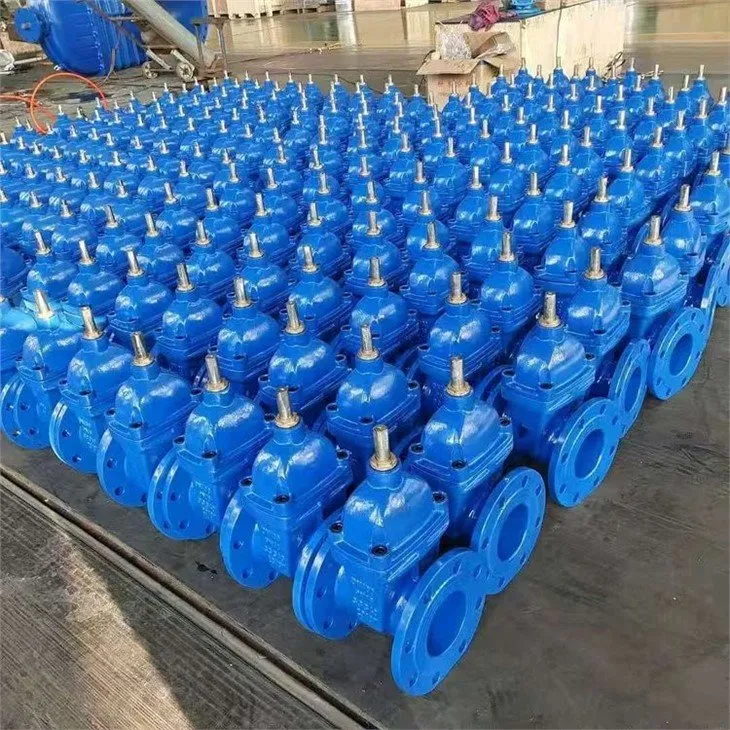
First off, what exactly is a gate valve? Well, it's a type of valve that uses a gate or wedge to control the flow of fluid through a pipeline. When the gate is fully raised, the valve is open, allowing fluid to pass through freely. Conversely, when the gate is fully lowered, the valve is closed, blocking the flow.
Now, the opening and closing time of a gate valve can vary significantly depending on several factors. One of the primary factors is the size of the valve. Generally speaking, larger gate valves take longer to open and close compared to smaller ones. This is because there's more surface area to move, and the mechanism has to work harder to lift or lower the gate.
Another important factor is the type of actuator used. Actuators are devices that control the movement of the valve. There are several types of actuators, including manual, electric, pneumatic, and hydraulic. Manual actuators, as the name suggests, require human intervention to operate the valve. They're typically slower than automated actuators because they rely on physical effort to turn a handwheel or lever.
On the other hand, electric, pneumatic, and hydraulic actuators can open and close gate valves much faster. Electric actuators use an electric motor to drive the valve mechanism, while pneumatic actuators use compressed air, and hydraulic actuators use pressurized fluid. These automated actuators can be programmed to open or close the valve at a specific speed, which is great for applications where precise control is required.
The design of the gate valve also plays a role in its opening and closing time. For example, Non-rising Stem Gate Valve have a stem that doesn't rise as the valve opens or closes. This design is more compact and can be advantageous in applications where space is limited. However, it may take slightly longer to open or close compared to rising stem gate valves because the gate has to move along the stem.
Forged gate valves, like the ones we offer at our company, are known for their durability and strength. They're made by forging a solid piece of metal, which gives them a more uniform structure and better resistance to wear and tear. The opening and closing time of Forged Gate Valve can vary depending on their size and the type of actuator used, but they generally offer reliable performance over a long period.
CF8 gate valves are another popular option in the market. CF8 is a type of stainless steel that's resistant to corrosion and high temperatures. CF8 Gate Valve are commonly used in industries such as chemical processing, food and beverage, and pharmaceuticals. The opening and closing time of these valves can be optimized by choosing the right actuator and ensuring proper maintenance.
In some applications, the opening and closing time of a gate valve needs to be very fast. For example, in emergency shutdown systems, the valve may need to close within seconds to prevent the release of hazardous materials. In such cases, high-speed actuators are used to ensure rapid response. These actuators can be designed to open or close the valve in a matter of milliseconds, depending on the requirements.
Conversely, in applications where a slow and gradual change in flow is required, the opening and closing time can be adjusted accordingly. This can be achieved by using a variable-speed actuator or by installing a flow control device in the pipeline.

It's also important to note that the opening and closing time of a gate valve can be affected by the condition of the valve and its components. Over time, wear and tear, corrosion, and debris buildup can cause the valve to operate more slowly or even malfunction. Regular maintenance, including cleaning, lubrication, and inspection, is essential to keep the valve in good working condition and ensure optimal opening and closing times.
In addition to the technical aspects, the opening and closing time of a gate valve can also have economic implications. For example, in a process where downtime is costly, a valve that can open and close quickly can help minimize production losses. On the other hand, in applications where energy consumption is a concern, choosing an actuator that operates efficiently can result in significant cost savings over the long term.
So, how can you determine the appropriate opening and closing time for your specific application? Well, it's best to consult with an experienced valve engineer or supplier. They can assess your requirements, consider factors such as flow rate, pressure, temperature, and safety regulations, and recommend the most suitable valve and actuator combination.
At our company, we have a team of experts who are dedicated to helping our customers find the right gate valve solutions. Whether you need a valve for a small-scale project or a large industrial installation, we can provide you with high-quality products and professional advice.
If you're interested in learning more about our gate valves or have any questions about opening and closing times, feel free to reach out to us. We're always happy to have a chat and discuss how we can meet your needs. Don't hesitate to contact us for a quote or to start a procurement discussion. We look forward to working with you!
References
- Valve Handbook: A Guide to Valve Selection and Application
- Industrial Valves: Theory and Practice
- Standards and Guidelines for Valve Design and Operation