

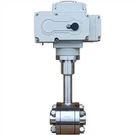


Optimizing the flow path of a DBB (Double Block and Bleed) PLUG Valve is crucial for enhancing its performance, efficiency, and overall functionality. As a trusted DBB PLUG Valve supplier, we understand the significance of a well - optimized flow path and are committed to providing solutions that meet the highest industry standards. In this blog, we will explore various strategies and techniques to optimize the flow path of DBB PLUG Valves.
Understanding the Basics of DBB PLUG Valves
Before delving into the optimization methods, it's essential to have a clear understanding of DBB PLUG Valves. A DBB PLUG Valve is a type of valve that provides double block and bleed functionality, which means it can isolate two sections of a pipeline and bleed the trapped fluid between them. This feature makes it highly suitable for applications where safety and isolation are of utmost importance, such as in the oil and gas, chemical, and petrochemical industries.
The flow path of a DBB PLUG Valve refers to the route through which the fluid travels from the inlet to the outlet of the valve. A well - designed flow path minimizes pressure drop, reduces turbulence, and prevents the accumulation of debris, all of which contribute to the efficient operation of the valve.
Factors Affecting the Flow Path of DBB PLUG Valves
Several factors can influence the flow path of DBB PLUG Valves. These include:
Valve Design
The design of the valve body, plug, and ports plays a significant role in determining the flow characteristics. A streamlined valve body with smooth internal surfaces can reduce friction and turbulence, allowing the fluid to flow more freely. The shape and size of the plug and ports also affect the flow area and the flow pattern. For example, a full - port design provides a larger flow area, resulting in lower pressure drop compared to a reduced - port design.
Material Selection
The choice of materials for the valve components can impact the flow path. Corrosion - resistant materials are essential to prevent the formation of rust and scale, which can obstruct the flow and cause erosion. Additionally, materials with low friction coefficients can reduce the resistance to fluid flow.
Installation and Alignment
Proper installation and alignment of the valve are crucial for optimizing the flow path. Misaligned valves can cause uneven flow distribution, increased turbulence, and higher pressure drop. It is important to ensure that the valve is installed in the correct orientation and that the pipeline is properly supported to prevent stress on the valve.
Strategies for Optimizing the Flow Path
Streamlined Valve Design
One of the most effective ways to optimize the flow path is to use a streamlined valve design. This can involve using a valve body with a smooth, contoured shape that minimizes sharp corners and edges. The plug should also be designed to provide a smooth transition for the fluid flow. For example, a tapered plug can help to gradually expand or contract the flow area, reducing turbulence.
Port Optimization
Optimizing the size and shape of the ports can significantly improve the flow characteristics. As mentioned earlier, a full - port design is generally preferred for applications where low pressure drop is required. However, in some cases, a reduced - port design may be more suitable, depending on the specific requirements of the system. The ports should also be designed to minimize flow restrictions and ensure uniform flow distribution.
Surface Finishing
A smooth surface finish on the internal components of the valve can reduce friction and prevent the accumulation of debris. Polishing the valve body, plug, and ports can improve the flow characteristics and enhance the overall performance of the valve. Additionally, applying a non - stick coating can further reduce the adhesion of contaminants and improve the cleanability of the valve.
Flow Analysis and Simulation
Using computational fluid dynamics (CFD) analysis and simulation tools can provide valuable insights into the flow behavior of the valve. These tools can be used to model the flow path, predict pressure drop, and identify areas of high turbulence. Based on the results of the analysis, design modifications can be made to optimize the flow path. For example, CFD analysis can help to determine the optimal shape and size of the ports and the best position for the plug to minimize pressure drop.


Importance of Regular Maintenance
Regular maintenance is essential for ensuring the long - term optimization of the flow path of DBB PLUG Valves. This includes:
Inspection
Periodic inspection of the valve components can help to detect any signs of wear, corrosion, or damage. Inspecting the valve body, plug, seats, and seals can identify potential issues that may affect the flow path. Any damaged or worn components should be replaced promptly to prevent further deterioration of the valve performance.
Cleaning
Cleaning the valve regularly can remove any accumulated debris, scale, or contaminants that may obstruct the flow path. This can be done using appropriate cleaning agents and techniques, depending on the type of valve and the nature of the contaminants.
Lubrication
For Lubricated PLUG Valve, proper lubrication is crucial for maintaining smooth operation and reducing friction. The lubricant should be selected based on the operating conditions and the type of fluid being handled. Regular lubrication can prevent the plug from sticking and ensure a tight seal, which is essential for the efficient operation of the valve.
Benefits of Optimizing the Flow Path
Optimizing the flow path of DBB PLUG Valves offers several benefits, including:
Improved Efficiency
A well - optimized flow path reduces pressure drop, which means that less energy is required to pump the fluid through the valve. This results in lower operating costs and improved energy efficiency.
Enhanced Performance
Efficient flow through the valve ensures that the system operates at its optimal level. It reduces the risk of cavitation, erosion, and vibration, which can damage the valve and other pipeline components.
Extended Service Life
By reducing wear and tear on the valve components, optimizing the flow path can extend the service life of the valve. This reduces the frequency of valve replacements and maintenance, resulting in cost savings over the long term.
Conclusion
Optimizing the flow path of DBB PLUG Valves is a critical aspect of ensuring their efficient and reliable operation. By considering factors such as valve design, material selection, installation, and maintenance, and implementing strategies such as streamlined design, port optimization, and surface finishing, we can significantly improve the flow characteristics of the valves.
As a leading supplier of DBB PLUG Valve, we are dedicated to providing high - quality valves with optimized flow paths. Our team of experts can work with you to understand your specific requirements and recommend the best solutions for your application. Whether you need a standard valve or a custom - designed solution, we have the expertise and experience to meet your needs.
If you are interested in learning more about our DBB PLUG Valves or would like to discuss your flow path optimization needs, we encourage you to contact us for a consultation. We look forward to the opportunity to work with you and help you achieve the best performance from your valve systems.
References
- "Valve Handbook: Principles and Applications" by J. S. Tippetts
- "Fluid Mechanics and Thermodynamics of Turbomachinery" by S. L. Dixon
- Industry standards and guidelines for API PLUG Valve, such as those provided by API PLUG Valve