


Selecting the right ball valve for a high - flow application can be a real head - scratcher. But not to worry! I'm here as a ball valve supplier to walk you through this process step by step.
Understanding High - Flow Applications
First things first, let's get clear on what a high - flow application actually is. In simple terms, it's a situation where a large volume of fluid (could be a liquid or a gas) needs to move through a pipeline quickly. This can be found in many industries like oil and gas, water treatment, and power generation.
Key Factors to Consider
Flow Coefficient (Cv)
The flow coefficient, or Cv, is a crucial metric. It tells you how much fluid a valve can pass at a given pressure drop. The higher the Cv value, the more fluid the valve can handle. In high - flow applications, you'll want a ball valve with a high Cv. For example, if you're dealing with a large - scale water distribution system, you need a valve that can let a massive amount of water get through without causing a significant pressure drop.
Valve Size
The size of the valve is directly related to its flow capacity. A larger valve generally has a higher flow capacity. But hold your horses! You can't just go for the biggest valve you can find. You gotta match the valve size to your pipeline size and the actual flow requirements. If you choose a valve that's too small, it'll restrict the flow, causing high pressure drops and potential damage to the system. On the other hand, an overly large valve can be expensive and may not operate efficiently.
Material of Construction
The material of the valve body and its internal components matters big time. In high - flow applications, the valve is exposed to a lot of wear and tear due to the high - velocity fluid. For corrosive fluids, you might need valves made of materials like stainless steel or special alloys. For applications in the food and beverage industry, valves made of materials that meet hygienic standards are a must.
End Connections
The end connections of the ball valve need to be compatible with your pipeline. Common end connections include flanged, threaded, and welded. Flanged connections are great for larger valves and high - pressure applications as they provide a secure and leak - proof connection. Threaded connections are simpler and easier to install, but they may not be suitable for high - pressure or high - flow applications. Welded connections offer a permanent and strong bond, ideal for situations where you need a very reliable seal.
Different Types of Ball Valves for High - Flow Applications
Floating Ball Valve
Floating Ball Valve is a common choice for many high - flow applications. In a floating ball valve, the ball is supported by the seats and is free to move slightly. When the valve is closed, the fluid pressure forces the ball against the downstream seat, creating a tight seal. This type of valve is relatively simple in design and is cost - effective. It works well in applications where the pressure is not extremely high.
V Port Ball Valve
V Port Ball Valve is another option. The V - shaped ball in this valve provides a linear flow characteristic, which means the flow rate is proportional to the valve's opening. This makes it great for applications where you need precise flow control in high - flow situations. For example, in a chemical processing plant where you need to accurately control the flow of different chemicals.
DBB Ball Valve
DBB Ball Valve (Double Block and Bleed Ball Valve) is suitable for high - pressure and high - flow applications. It has two seats that provide a double seal, which is very useful in applications where leakage is a major concern. This type of valve is often used in the oil and gas industry, where safety and reliability are top priorities.
Operational Considerations
Actuation
You need to decide whether you want a manual or an actuated ball valve. In high - flow applications, especially those in large industrial settings, actuated valves are often preferred. Electric, pneumatic, or hydraulic actuators can be used to open and close the valve quickly and accurately. This is crucial when you need to make rapid adjustments to the flow rate or shut off the valve in an emergency.
Maintenance
Maintenance is an aspect you can't overlook. High - flow applications mean the valve is working hard and may require regular check - ups. Choose a ball valve that is easy to access and maintain. Some valves come with features like replaceable seats, which can extend the valve's lifespan and reduce maintenance costs.
Pricing and Budget
Of course, pricing is a factor. While you don't want to skimp on quality, you also need to stay within your budget. Different types of ball valves vary in price based on their design, material, and features. Floating ball valves are generally more affordable compared to DBB ball valves. But remember, the cheapest option may not always be the best in the long run, especially if it compromises on performance and reliability.
How to Make the Final Decision
When you're making the final decision, create a list of your requirements. Jot down the flow rate, pressure, temperature, fluid type, and any other special considerations. Then, compare different ball valves based on these criteria. You can also ask for samples from valve suppliers or consult with experts in the field.
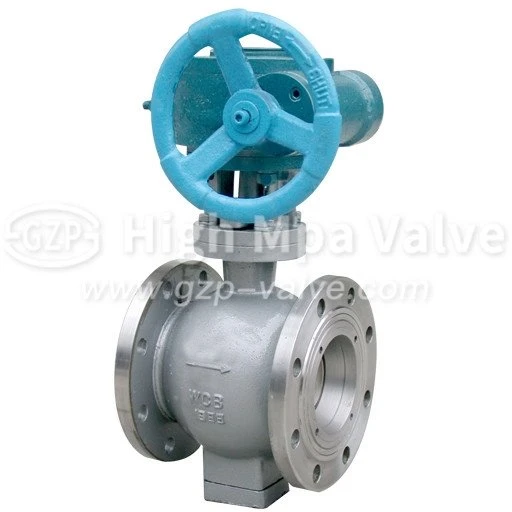

As a ball valve supplier, I've seen firsthand how choosing the right valve can make or break a high - flow application. If you're still feeling lost or need more in - depth advice, don't hesitate to reach out. We're here to help you find the perfect ball valve for your needs. Whether it's for a new project or a replacement in an existing system, we've got the expertise and the product range to meet your requirements. So, why wait? Contact us today to start the procurement discussion and get one step closer to a smoothly running high - flow system.
References
- Valve Handbook: A Guide to Valve Selection, Sizing, and Installation
- Fluid Mechanics and Hydraulics Handbook
- Industry guidelines from the American Petroleum Institute (API) and the American National Standards Institute (ANSI)