


Hey there! As a supplier of DBB PLUG Valves, I've seen firsthand the importance of transporting these valves safely. In this blog post, I'm gonna share some tips and best practices on how to ensure your DBB PLUG Valves arrive at their destination in top - notch condition.
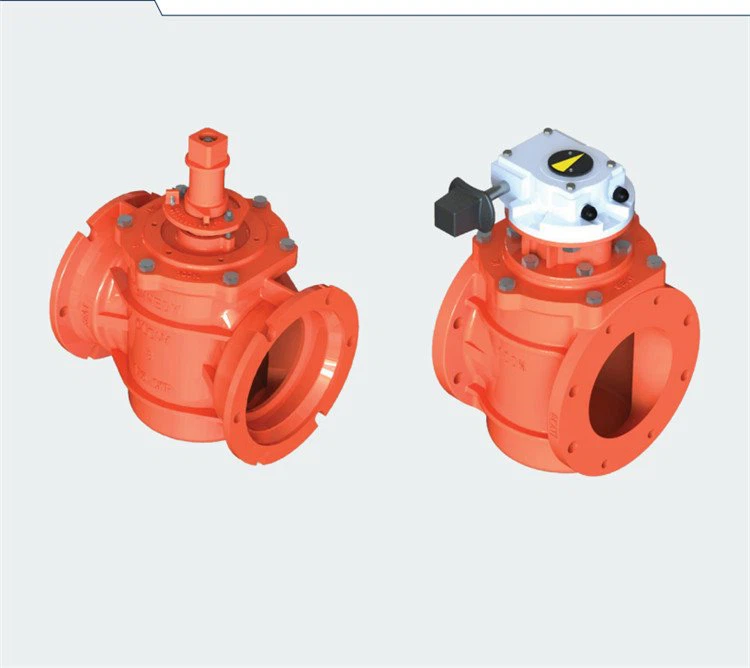
First things first, let's understand what DBB PLUG Valves are. These valves are crucial in many industrial applications, providing reliable shut - off and control. They come in different types like the Metal To Metal Seat PLUG Valve, Eccentricl PLUG Valve, and API PLUG Valve. Each type has its own unique features and requirements, but the goal of safe transportation remains the same for all of them.
Pre - transport Preparation
Before you even think about moving the valves, proper preparation is key.
Inspection
Give each valve a thorough once - over. Check for any visible damage, like cracks, dents, or scratches. Look at the sealing surfaces, the stem, and the body of the valve. Any pre - existing damage should be documented. This not only helps in case of insurance claims but also ensures that you're not sending out a faulty product.
Cleaning
Clean the valves to remove any dirt, debris, or loose particles. This is important because these contaminants can cause problems during transportation and even affect the valve's performance later on. You can use a suitable cleaning agent and a soft brush to clean the exterior and interior parts of the valve.
Protection
Protect the valve's vulnerable parts. The ends of the valve, for example, should be capped or flanged with proper protective covers. These covers prevent dirt, moisture, and physical damage from occurring during transit. For the stem, you can use a protective sleeve to keep it from getting bent or damaged.
Packaging
The right packaging can make or break the safe transportation of DBB PLUG Valves.
Selecting the Right Packaging Material
You want to use packaging materials that are strong and durable. Wooden crates are a popular choice as they offer good protection against impacts. They can also be customized to fit the size and shape of the valve. Foam inserts can be added inside the crate to cushion the valve and absorb any shocks during transportation.
If the valve is small enough, you can also use corrugated cardboard boxes. But make sure they are of high - quality and have enough padding inside. Bubble wrap, packing peanuts, or air pillows can be used to fill the empty spaces around the valve and provide additional protection.
Labeling
Proper labeling is essential. Clearly mark the package with important information such as "Fragile", "This Side Up", and the valve's model number and specifications. This helps the handlers to treat the package with care and ensures that the valve is stored and transported in the correct orientation.
Transportation Mode
The choice of transportation mode depends on various factors like distance, urgency, and cost.
Road Transport
For local or short - distance deliveries, road transport is often the most convenient option. When using trucks, make sure the vehicle is in good condition and has a stable platform. The valves should be secured properly inside the truck to prevent them from shifting during transit. You can use straps or chains to hold the packages in place.
It's also a good idea to choose a reliable trucking company with experience in transporting industrial equipment. They know how to handle fragile items and can take precautions to avoid rough driving.
Rail Transport
For longer distances within the country, rail transport can be a cost - effective option. However, the valves need to be loaded and unloaded carefully. Specialized railcars can be used to transport large or multiple valves. Similar to road transport, the valves should be well - secured inside the railcar.
Sea Transport
If you're shipping valves overseas, sea transport is usually the way to go. But this comes with its own set of challenges. The valves need to be packed to withstand the harsh marine environment, including saltwater, humidity, and rough seas. Shipping containers are commonly used for sea transport. Make sure the container is in good condition and properly sealed to prevent water ingress.
Handling During Transit
How the valves are handled during transit is crucial for their safety.
Loading and Unloading
Use proper lifting equipment when loading and unloading the valves. Forklifts, cranes, or hoists should be used with care. The lifting points on the valve or its packaging should be clearly marked, and the operators should follow the correct procedures.
Avoid dropping or throwing the valves, even if they seem well - packaged. A single impact can cause internal damage that may not be visible immediately but can affect the valve's performance later on.

Storage During Transit
If the valves need to be stored during transit, make sure they are stored in a dry, clean, and secure place. In warehouses or storage facilities, the valves should be placed on a flat surface and not stacked too high. This reduces the risk of crushing or damage from falling objects.
Monitoring
It's a good idea to monitor the valves during transportation, especially for long - distance or high - value shipments.
Temperature and Humidity
Some valves may be sensitive to temperature and humidity. You can use data loggers to monitor these environmental conditions during transit. If the temperature or humidity goes outside the acceptable range, appropriate measures can be taken, such as adjusting the storage conditions or rerouting the shipment.
Location Tracking
Use GPS tracking to keep an eye on the location of the valves. This allows you to know where the shipment is at all times and can help in case of any delays or emergencies. You can also get real - time updates on the estimated time of arrival.
Post - transport Inspection
Once the valves reach their destination, another inspection is necessary.
Check the valves again for any damage that may have occurred during transportation. Compare the post - transport inspection results with the pre - transport documentation. If there is any new damage, report it immediately to the shipping company and your insurance provider.
Conclusion
Transporting DBB PLUG Valves safely requires attention to detail at every step, from pre - transport preparation to post - transport inspection. By following these tips, you can minimize the risk of damage and ensure that your customers receive high - quality valves.
If you're in the market for DBB PLUG Valves or have any questions about their transportation, feel free to reach out. We're here to help you with all your valve needs and ensure a smooth and safe supply chain.
References
- Industrial Valve Handbook: Covers general information about valve types, maintenance, and transportation.
- Packaging Standards for Industrial Equipment: Provides guidelines on selecting the right packaging materials and methods.
- Transportation Safety Regulations: Outlines the rules and regulations for transporting industrial products.