


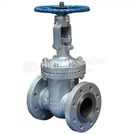


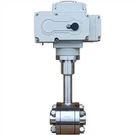

When it comes to DIN Globe Valves, bonnets play a crucial role in ensuring the proper functioning and longevity of the valve. As a reputable DIN Globe Valve supplier, I understand the significance of choosing the right type of bonnet for different applications. In this blog post, I will explore the various types of bonnets available for DIN Globe Valves, their features, and the scenarios where they are most suitable.
Screw-in Bonnet
The screw-in bonnet is one of the simplest and most cost - effective types of bonnets for DIN Globe Valves. This type of bonnet is threaded into the valve body. Its installation and removal are relatively straightforward, which makes it easy for maintenance and repair work.
The screw - in bonnet provides a tight seal, preventing leakage of the fluid or gas flowing through the valve. It is commonly used in low - pressure and small - sized DIN Globe Valves. For instance, in domestic water supply systems where the pressure is relatively low, screw - in bonnet DIN Globe Valves can be a reliable choice. The simplicity of the design also means that it is less likely to have complex failure modes, reducing the overall maintenance cost.
However, it does have some limitations. Since it is threaded, repeated installation and removal can wear out the threads over time, leading to potential leakage. Also, in high - pressure applications, the threaded connection may not be able to withstand the force, and there is a risk of the bonnet coming loose.
If you are interested in DIN Globe Valves with screw - in bonnets, you can visit our DIN Globe Valve page for more details.
Bolted Bonnet
The bolted bonnet is a more robust option compared to the screw - in bonnet. It is attached to the valve body using bolts and nuts. This type of connection provides a very strong and reliable seal, making it suitable for high - pressure and high - temperature applications.
The bolted bonnet allows for easy access to the valve internals for inspection, maintenance, and replacement of parts. It can be tightened to a specific torque value, ensuring a consistent and leak - free seal. In industrial processes such as oil and gas refineries, where high - pressure and high - temperature fluids are handled, bolted bonnet DIN Globe Valves are widely used.
One drawback of the bolted bonnet is that it requires more time and effort for installation and removal compared to the screw - in bonnet. Also, proper torqueing of the bolts is crucial; if the bolts are not tightened evenly or to the correct torque, it can lead to uneven stress distribution and potential leakage.
Welded Bonnet
A welded bonnet is permanently attached to the valve body by welding. This type of bonnet provides the highest level of integrity and leak - tightness. It is ideal for applications where absolute zero leakage is required, such as in nuclear power plants or in the transportation of highly toxic or flammable fluids.
The welded construction eliminates the need for gaskets, which are potential sources of leakage in other types of bonnets. It also provides excellent resistance to external factors such as vibration and mechanical shock. However, the welded bonnet has a major disadvantage. Once it is welded, it is very difficult and expensive to access the valve internals for maintenance or repair. In case of a failure inside the valve, the entire valve may need to be replaced.
Pressure - Seal Bonnet
The pressure - seal bonnet is designed to work under high - pressure conditions. As the pressure inside the valve increases, the bonnet is forced against the valve body, creating a tighter seal. This self - energizing feature makes it highly suitable for high - pressure applications, especially in power generation plants and high - pressure pipeline systems.
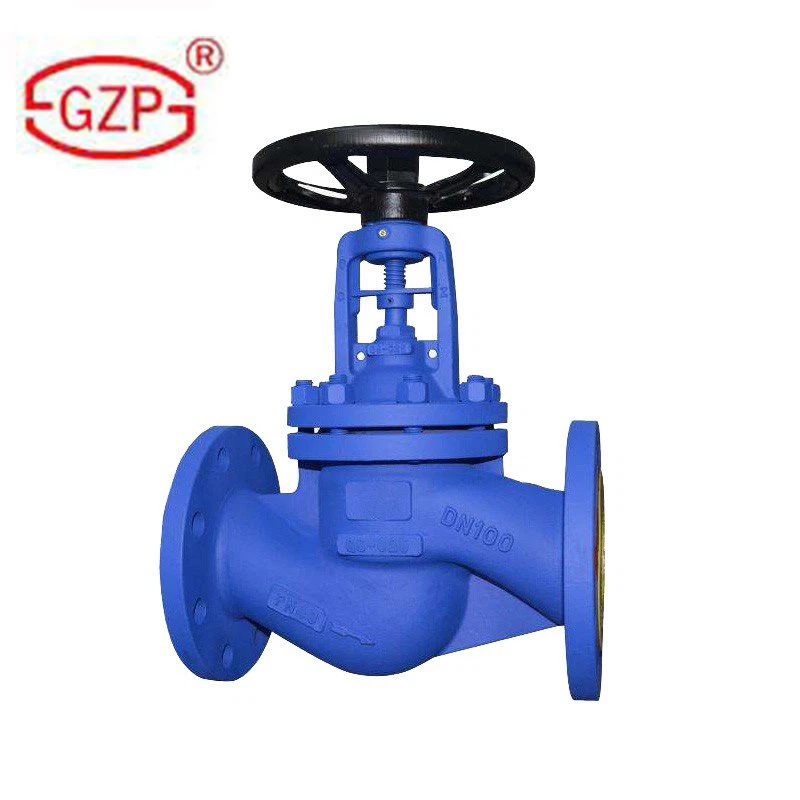

The pressure - seal bonnet is typically used in larger - sized DIN Globe Valves. It requires a special design and manufacturing process to ensure its proper functioning. The installation and removal of a pressure - seal bonnet can be complex and require specialized tools and expertise.
Union Bonnet
The union bonnet is a type of bonnet that uses a union connection to attach to the valve body. This type of connection allows for quick and easy disassembly of the bonnet from the valve body. It is commonly used in applications where frequent maintenance or replacement of valve internals is required.
The union bonnet provides a good seal and is relatively easy to install and remove. It is often used in industrial systems where downtime needs to be minimized, such as in chemical processing plants where quick access to the valve internals for cleaning or part replacement is necessary.
Comparison of Different Bonnet Types
| Bonnet Type | Advantages | Disadvantages | Suitable Applications |
|---|---|---|---|
| Screw - in Bonnet | Simple design, easy installation and removal, cost - effective | Thread wear over time, not suitable for high - pressure | Low - pressure, small - sized applications |
| Bolted Bonnet | Strong and reliable seal, easy access to internals | Requires more time for installation, proper torqueing is crucial | High - pressure, high - temperature applications |
| Welded Bonnet | Highest level of leak - tightness, no gasket leakage | Difficult and expensive to access internals for maintenance | Applications requiring absolute zero leakage |
| Pressure - Seal Bonnet | Self - energizing seal under high pressure | Complex design and installation | High - pressure, large - sized applications |
| Union Bonnet | Quick and easy disassembly | May not be as robust as some other types | Applications requiring frequent maintenance |
Choosing the Right Bonnet for Your DIN Globe Valve
When choosing the right bonnet for your DIN Globe Valve, several factors need to be considered. The first factor is the operating pressure and temperature of the system. High - pressure and high - temperature applications generally require more robust bonnet types such as bolted, pressure - seal, or welded bonnets.
The frequency of maintenance is also an important consideration. If you need to access the valve internals frequently, a union bonnet or a bolted bonnet may be more suitable. On the other hand, if maintenance is rare and zero leakage is critical, a welded bonnet could be the best choice.
The size of the valve is another factor. Larger valves may require more substantial bonnet types such as pressure - seal bonnets, while smaller valves can often use screw - in or union bonnets.
Our Product Range
As a DIN Globe Valve supplier, we offer a wide range of DIN Globe Valves with different bonnet types to meet the diverse needs of our customers. Our Forged Globe Valve and Forge Flange Globe Valve are available with various bonnet options, ensuring that you can find the perfect valve for your specific application.
Conclusion
Selecting the right type of bonnet for your DIN Globe Valve is essential for ensuring the reliable and efficient operation of your system. Each type of bonnet has its own advantages and disadvantages, and the choice depends on factors such as operating pressure, temperature, maintenance requirements, and valve size.
If you are in the market for DIN Globe Valves and need assistance in choosing the right bonnet type for your application, please feel free to contact us. Our team of experts is ready to provide you with professional advice and help you make the best decision. We look forward to discussing your requirements and working with you on your next project.
References
- Valve Handbook, 4th Edition by Robert W. McKetta
- ASME Standards on Valves and Fittings
- API Standards for Oil and Gas Industry Valves