


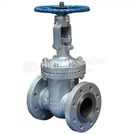


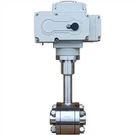

In the world of industrial valves, the PLUG Valve stands out as a crucial component in various piping systems. As a PLUG Valve price supplier, I've witnessed firsthand the multitude of factors that influence the price of these essential devices. Understanding these factors is not only beneficial for us as suppliers but also for our customers who are looking to make informed purchasing decisions. In this blog, I'll delve into the key elements that affect the price of a PLUG Valve.
Material of Construction
One of the most significant factors affecting the price of a PLUG Valve is the material used in its construction. Different materials offer varying levels of durability, corrosion resistance, and performance, which directly impact the cost.
Metal Alloys
- Cast Iron: Cast iron is a common and relatively inexpensive material for PLUG Valves. It provides good strength and is suitable for applications where corrosion is not a major concern, such as in some water and wastewater systems. However, it may not be suitable for highly corrosive environments or applications requiring high-pressure resistance.
- Cast Steel: Cast Steel PLUG Valve is more expensive than cast iron but offers superior strength and better corrosion resistance. It is commonly used in applications where higher pressures and temperatures are involved, such as in the oil and gas industry. The cost of cast steel valves can vary depending on the specific grade of steel used and the manufacturing process.
- Stainless Steel: Stainless steel is known for its excellent corrosion resistance, making it ideal for applications in harsh environments, such as chemical processing plants and food and beverage industries. The price of stainless steel PLUG Valves is higher than that of cast iron and cast steel due to the cost of the raw material and the additional processing required to achieve the desired corrosion resistance.
Non - Metallic Materials
- Plastic: Plastic PLUG Valves are often used in low - pressure and non - corrosive applications, such as in irrigation systems and some residential plumbing. They are generally less expensive than metal valves, but their durability and temperature resistance are limited.
- Ceramic: Ceramic materials offer high hardness, wear resistance, and chemical stability. However, they are brittle and require specialized manufacturing processes, which make ceramic PLUG Valves relatively expensive. They are typically used in applications where extreme wear and corrosion resistance are required, such as in the mining and semiconductor industries.
Valve Size
The size of a PLUG Valve is another important factor that affects its price. Larger valves generally cost more than smaller ones for several reasons.
Manufacturing Complexity
- As the size of the valve increases, the manufacturing process becomes more complex. Larger valves require more raw material, and the machining and assembly processes are more time - consuming. For example, casting a large - diameter valve body requires a larger mold and more molten metal, which increases the production cost.
- The internal components of larger valves, such as the plug and the seat, also need to be proportionally larger and more precisely machined to ensure proper sealing and operation. This requires more advanced manufacturing equipment and skilled labor, further driving up the cost.
Transportation and Handling
- Larger valves are heavier and bulkier, which makes transportation and handling more difficult and expensive. Specialized equipment may be required to move and install large PLUG Valves, and shipping costs are higher due to the increased weight and volume.
Design and Features
The design and features of a PLUG Valve can significantly impact its price.


Valve Type
- Two - Way PLUG Valve: Two - way PLUG Valves are the most basic type of PLUG Valve, with a simple design that allows for on - off flow control. They are generally less expensive than multi - way valves.
- Three - Way PLUG Valve: Jacketed Three - Way PLUG Valve offers more complex flow control options, such as diverting or mixing flows. The additional internal passages and the need for more precise machining and assembly make three - way PLUG Valves more expensive than two - way valves.
Seat Design
- Soft Seat PLUG Valve: Soft seat PLUG Valves use a non - metallic seat material, such as rubber or PTFE, to provide a tight seal. They are relatively inexpensive and are suitable for applications where a low - leakage seal is required.
- Metal To Metal Seat PLUG Valve: Metal To Metal Seat PLUG Valve offers better durability and higher temperature and pressure resistance compared to soft seat valves. However, the manufacturing process for metal - to - metal seats is more complex, and the precision required for a proper seal is higher, resulting in a higher price.
Actuation Method
- Manual PLUG Valve: Manual PLUG Valves are the simplest and least expensive type of actuation. They are operated by a handwheel or a lever, which is suitable for applications where the valve does not need to be opened or closed frequently.
- Actuated PLUG Valve: Actuated PLUG Valves can be operated by electric, pneumatic, or hydraulic actuators. These actuators add to the cost of the valve but offer the advantage of remote operation and automation, which is useful in large - scale industrial applications.
Quality and Certification
The quality and certification of a PLUG Valve can also affect its price.
Quality Control
- High - quality PLUG Valves undergo rigorous quality control processes during manufacturing. This includes material testing, dimensional inspection, and performance testing to ensure that the valve meets the specified standards. Valves with higher quality control standards are more expensive because of the additional time and resources required for testing and inspection.
- Manufacturers that invest in advanced manufacturing technologies and quality management systems are likely to produce higher - quality valves, but this also comes at a higher cost.
Certification
- Many industries require PLUG Valves to meet specific certifications, such as API (American Petroleum Institute) standards for the oil and gas industry or ISO (International Organization for Standardization) standards for general industrial applications. Obtaining these certifications involves additional testing and documentation, which adds to the cost of the valve.
Market Conditions
The overall market conditions can have an impact on the price of PLUG Valves.
Supply and Demand
- When the demand for PLUG Valves is high and the supply is limited, the price tends to increase. This can happen during periods of rapid industrial growth or when there are disruptions in the supply chain, such as raw material shortages or production delays.
- Conversely, when the market is saturated with PLUG Valves and the demand is low, prices may decrease as manufacturers compete for customers.
Competition
- The level of competition in the PLUG Valve market also affects prices. In a highly competitive market, manufacturers may lower their prices to attract customers. However, in a market with few suppliers or where there are significant barriers to entry, prices may be higher.
In conclusion, the price of a PLUG Valve is influenced by a variety of factors, including the material of construction, valve size, design and features, quality and certification, and market conditions. As a PLUG Valve price supplier, we strive to offer our customers the best value for their money by providing high - quality valves at competitive prices. If you are in the market for PLUG Valves and want to discuss your specific requirements, we encourage you to reach out to us for a detailed quotation and further discussion. We are committed to helping you find the right PLUG Valve solution for your application at a price that fits your budget.
References
- Valve Handbook, 4th Edition, by Robert A. Streeter
- Industrial Valves: Selection, Specification, and Installation, by David W. Spitzer