


Hey there! As a supplier of DIN/EN Flanges, I often get asked about the dimensions of these typical flanges. So, I thought I'd put together this blog post to break it all down for you.
First off, let's talk about what DIN/EN Flanges are. DIN stands for Deutsches Institut für Normung, which is the German Institute for Standardization, and EN refers to European Norms. These flanges are standardized components used in piping systems to connect pipes, valves, pumps, and other equipment. They ensure a tight and secure connection, which is crucial for the proper functioning of any piping system.
Now, onto the dimensions. The dimensions of a typical DIN/EN Flange can vary depending on several factors, such as the flange type, pressure rating, and nominal size. Let's start with the nominal size. This is basically a reference number that indicates the approximate inside diameter of the pipe that the flange is designed to fit. For example, a flange with a nominal size of DN50 is designed to fit a pipe with an inside diameter close to 50 millimeters.
The pressure rating is another important factor. It determines the maximum pressure that the flange can withstand without leaking or failing. Common pressure ratings for DIN/EN Flanges include PN6, PN10, PN16, PN25, PN40, and so on. The "PN" stands for Pressure Nominal, and the number indicates the pressure in bars. So, a PN16 flange can handle a maximum pressure of 16 bars.
There are also different types of DIN/EN Flanges, each with its own set of dimensions. Some of the most common types include Weld Neck Flanges, Slip-On Flanges, Blind Flanges, and Socket Weld Flanges.
Let's take a closer look at the Weld Neck Flange. This type of flange has a long, tapered neck that is welded to the pipe. It provides excellent strength and is suitable for high-pressure and high-temperature applications. The dimensions of a Weld Neck Flange are specified in standards like EN1092-1. This standard covers a wide range of flange types and sizes, and it gives detailed information on the outside diameter, bolt circle diameter, number and size of bolts, and other important dimensions.
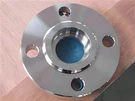
Another popular type is the Weld Flat Flange. This flange is flat on the face and is welded to the pipe. It's often used in low-pressure applications where a simple and cost-effective connection is required. The dimensions of a Weld Flat Flange are also defined in relevant standards, which ensure that they are interchangeable with other components in the piping system.
When it comes to the actual measurements, the outside diameter of a DIN/EN Flange can range from a few centimeters for small nominal sizes to several meters for large industrial applications. The thickness of the flange also varies depending on the pressure rating and the size. Thicker flanges are generally used for higher pressure applications to ensure that they can withstand the forces involved.


The bolt circle diameter is another key dimension. This is the diameter of the circle on which the bolt holes are located. The number and size of the bolts are determined by the pressure rating and the size of the flange. For example, a larger flange with a higher pressure rating will typically have more and larger bolts to provide a secure connection.
The face of the flange is also important. It can be either flat, raised, or ring joint. A flat face flange is used for low-pressure applications, while a raised face flange provides a better seal and is suitable for higher pressure applications. A ring joint flange is used in extremely high-pressure and high-temperature applications, where a metal-to-metal seal is required.
Now, you might be wondering how to choose the right DIN/EN Flange for your application. Well, it all comes down to understanding your requirements. You need to consider the pressure, temperature, fluid type, and the size of the pipe. It's also a good idea to consult with a professional or refer to the relevant standards to ensure that you select the correct flange.
As a supplier of DIN/EN Flanges, I can offer a wide range of options to meet your needs. Whether you need a small flange for a residential plumbing project or a large flange for an industrial pipeline, I've got you covered. I can provide flanges in different materials, such as carbon steel, stainless steel, and alloy steel, to ensure that they are suitable for your specific application.
If you're interested in purchasing DIN/EN Flanges, I'd love to have a chat with you. Just reach out to me, and we can discuss your requirements in detail. I can provide you with accurate quotes and delivery times, and I'll do my best to make the purchasing process as smooth as possible.
In conclusion, the dimensions of a typical DIN/EN Flange are determined by several factors, including the nominal size, pressure rating, and flange type. By understanding these factors and referring to the relevant standards, you can choose the right flange for your application. And if you need any help or have any questions, don't hesitate to contact me. I'm here to assist you every step of the way.
References:
- EN1092-1 Standard Documentation
- EN12627 Standard Documentation