


As a seasoned supplier of API PLUG Valves, I understand the critical importance of operation precautions to ensure the longevity, safety, and efficiency of these essential industrial components. In this blog post, I'll share comprehensive insights into the operation precautions for API PLUG Valves, drawing on my years of experience in the industry.
Pre - operation Checks
Before operating an API PLUG Valve, a series of pre - operation checks are necessary. First, visually inspect the valve for any signs of physical damage, such as cracks, dents, or corrosion on the body, stem, and plug. A damaged valve can lead to leakage and compromise the entire system's integrity. For instance, if there is a crack in the valve body, it may cause fluid to seep out, leading to potential safety hazards and environmental pollution.
Next, check the valve's mounting. Ensure that it is correctly installed in the pipeline according to the manufacturer's specifications. Improper mounting can cause uneven stress on the valve, leading to premature wear and failure. The valve should be firmly fixed, and the pipeline flanges should be properly aligned to prevent misalignment issues.
Verify the lubrication of the valve. API PLUG Valves often require proper lubrication to ensure smooth operation. Check the lubricant level and quality. If the lubricant is contaminated or has degraded, it should be replaced. Insufficient lubrication can increase friction between the plug and the valve body, making it difficult to operate the valve and potentially causing damage to the sealing surfaces.
Opening and Closing Operations
When opening or closing an API PLUG Valve, it is crucial to follow the correct procedures. Use the appropriate operating tool, such as a wrench or a handwheel, as specified by the valve design. Avoid using excessive force, as this can damage the valve components. For example, if too much force is applied to the handwheel, it may break the stem or damage the plug's sealing surface.
During the opening process, open the valve slowly. This helps to prevent sudden pressure changes in the pipeline, which can cause water hammer. Water hammer is a phenomenon where a sudden change in fluid velocity creates a pressure surge, which can damage the pipeline and the valve itself. Similarly, when closing the valve, close it gradually to avoid pressure spikes.
It is also important to note the direction of flow. API PLUG Valves are usually designed for unidirectional or bidirectional flow. Make sure you know the correct flow direction and operate the valve accordingly. Incorrect flow direction can lead to reduced valve performance and increased wear on the sealing surfaces.
Operating under Different Conditions
In high - temperature environments, API PLUG Valves may experience thermal expansion. This can affect the valve's sealing performance and operation. When operating in high - temperature conditions, monitor the valve closely for any signs of leakage or increased operating torque. If necessary, adjust the packing or lubrication to compensate for the thermal effects.
In low - temperature environments, the lubricant in the valve may thicken, making the valve more difficult to operate. Special low - temperature lubricants may be required in such cases. Additionally, the valve materials may become more brittle at low temperatures, increasing the risk of cracking. Inspect the valve regularly for any signs of cold - related damage.
When dealing with corrosive fluids, choose the appropriate valve materials. API PLUG Valves can be made from various materials, such as cast steel, lined materials, etc. For example, a Cast Steel PLUG Valve is suitable for many general applications, but for highly corrosive fluids, a Sleeve PLUG Valve with a corrosion - resistant lining may be a better choice.
Maintenance and Inspection
Regular maintenance and inspection are essential for the proper operation of API PLUG Valves. Establish a maintenance schedule based on the valve's usage and the operating environment. During maintenance, clean the valve components to remove any dirt, debris, or deposits. This helps to maintain the valve's performance and prevent blockages.
Inspect the sealing surfaces of the plug and the valve body regularly. The sealing surfaces are critical for preventing leakage. If there are signs of wear or damage, such as scratches or pitting, they should be repaired or replaced. You can use appropriate sealing materials and techniques to ensure a tight seal.
Check the stem and the packing for any signs of leakage. The stem is responsible for transmitting the operating force to the plug, and the packing provides a seal around the stem. If there is leakage from the stem or the packing, it should be addressed promptly. This may involve tightening the packing gland or replacing the packing material.

Safety Precautions
Safety should always be a top priority when operating API PLUG Valves. Wear appropriate personal protective equipment (PPE), such as gloves and safety glasses, when handling the valve. This helps to protect you from potential hazards, such as chemical splashes or flying debris.
When working on a live pipeline, follow all safety procedures. Isolate the valve from the system if necessary to prevent accidental fluid release. Use proper locking and tagging procedures to ensure that the valve cannot be operated unexpectedly.
If there is a fire or other emergency situation, know the location of the emergency shut - off valve and how to operate it quickly. API PLUG Valves can play a crucial role in preventing the spread of fire or containing hazardous materials in an emergency.
Special Types of API PLUG Valves
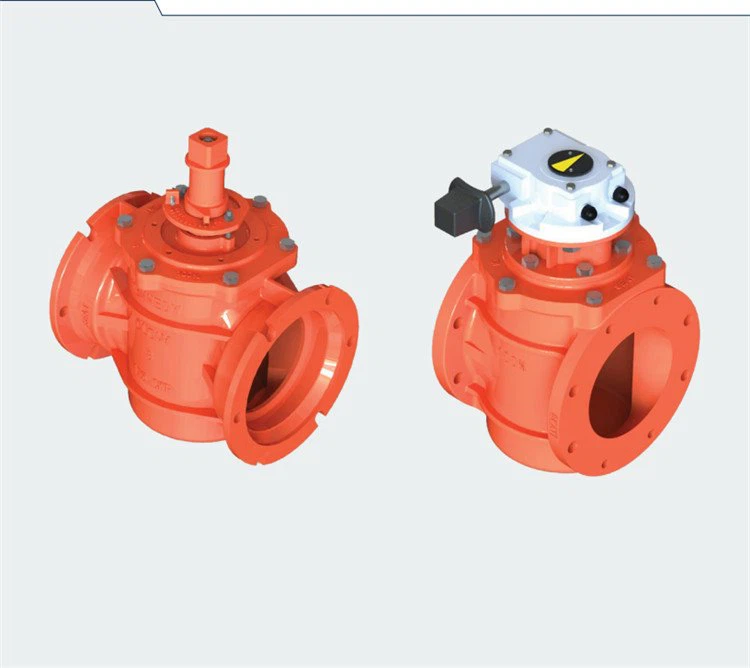
There are different types of API PLUG Valves, each with its own unique operation characteristics. For example, Eccentricl PLUG Valve has an eccentric plug design, which provides a better sealing performance and reduced operating torque. When operating an Eccentricl PLUG Valve, pay attention to its specific opening and closing angles and the alignment of the plug.
In conclusion, operating API PLUG Valves safely and effectively requires strict adherence to a series of operation precautions. From pre - operation checks to regular maintenance and safety measures, every step is crucial for the proper functioning of the valve. As a supplier of API PLUG Valves, I am committed to providing high - quality products and sharing valuable knowledge to help our customers get the most out of our valves.
If you are interested in purchasing API PLUG Valves or have any questions about their operation and application, please feel free to contact us for further discussion and negotiation. We are here to offer you the best solutions for your industrial needs.
References
- API Standards for Plug Valves, American Petroleum Institute
- Valve Operation and Maintenance Manuals, Various Valve Manufacturers
- Industrial Fluid Handling and Valve Technology Literature, Industry Publications