



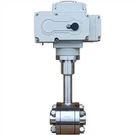
Hey there! As a supplier of 3 Way Ball Valves, I've seen firsthand the unique demands these valves face in oil and gas applications. In this blog, I'll break down the special requirements for 3 Way Ball Valves in the oil and gas industry, so you can understand what makes these valves so crucial and what to look for when making a purchase.
1. Material Selection
One of the most critical aspects of a 3 Way Ball Valve in oil and gas applications is the material. The oil and gas industry deals with harsh environments, including corrosive fluids, high pressures, and extreme temperatures. That's why we need to choose materials that can withstand these conditions.
-
Body Material: For the valve body, materials like stainless steel, carbon steel, and alloy steel are commonly used. Stainless steel offers excellent corrosion resistance, making it ideal for applications where the valve will be exposed to corrosive substances such as saltwater or acidic gases. Carbon steel is known for its strength and durability, and it can handle high-pressure applications. Alloy steel combines the best of both worlds, providing high strength and corrosion resistance.
-
Ball and Seat Material: The ball and seat are the key components that control the flow of fluid through the valve. They need to be made of materials that can resist wear and tear, as well as corrosion. Materials like tungsten carbide, ceramic, and PTFE (polytetrafluoroethylene) are often used. Tungsten carbide is extremely hard and wear-resistant, making it suitable for applications with high-velocity flows and abrasive particles. Ceramic has excellent chemical resistance and can withstand high temperatures, while PTFE provides a low-friction surface, reducing the operating torque of the valve.
2. Pressure and Temperature Ratings
Oil and gas applications often involve high pressures and extreme temperatures. A 3 Way Ball Valve must be able to handle these conditions without failing.
-
Pressure Rating: The pressure rating of a valve indicates the maximum pressure it can safely handle. In the oil and gas industry, pressures can range from a few hundred psi (pounds per square inch) to several thousand psi. When selecting a 3 Way Ball Valve, it's essential to choose one with a pressure rating that exceeds the maximum pressure of the application. This ensures the valve will operate safely and reliably under all conditions.


-
Temperature Rating: Similarly, the temperature rating of a valve indicates the minimum and maximum temperatures it can withstand. Oil and gas operations can take place in a wide range of temperatures, from freezing cold in Arctic regions to scorching hot in desert environments. Valves need to be able to maintain their performance and integrity across this temperature range. Some materials, like stainless steel and ceramic, have better temperature resistance than others, so it's important to choose the right material based on the application's temperature requirements.
3. Flow Control and Direction
3 Way Ball Valves are designed to control the flow of fluid in three different directions. This makes them very versatile in oil and gas applications, where they can be used for various purposes such as diverting flow, mixing fluids, or isolating different parts of a pipeline.
-
Flow Patterns: There are different flow patterns available for 3 Way Ball Valves, including L-port and T-port designs. The L-port design allows for flow diversion between two ports, while the T-port design allows for flow mixing or diversion between all three ports. The choice of flow pattern depends on the specific application requirements. For example, if you need to divert the flow from one pipeline to another, an L-port valve would be suitable. If you need to mix two different fluids or divert the flow in multiple directions, a T-port valve would be a better choice.
-
Flow Capacity: The flow capacity of a valve refers to the amount of fluid it can handle per unit of time. In oil and gas applications, large volumes of fluid often need to be transported, so it's important to choose a valve with a sufficient flow capacity. The flow capacity of a valve is determined by its size, design, and the pressure drop across the valve. A larger valve generally has a higher flow capacity, but it also requires more space and may be more expensive.
4. Sealing Performance
A good seal is essential for a 3 Way Ball Valve in oil and gas applications. Leakage can lead to significant safety hazards, environmental pollution, and financial losses.
-
Sealing Material: The sealing material used in the valve plays a crucial role in its sealing performance. As mentioned earlier, materials like PTFE and rubber are commonly used for sealing. PTFE has excellent chemical resistance and can provide a tight seal even at high pressures and temperatures. Rubber seals are more flexible and can conform to irregular surfaces, providing a good seal in low-pressure applications.
-
Sealing Design: The design of the valve also affects its sealing performance. A well-designed valve will have a proper seating mechanism that ensures a tight seal between the ball and the seat. Some valves use a floating ball design, where the ball is free to move slightly and adapt to the seat, while others use a trunnion-mounted ball design, which provides more stability and better sealing performance at high pressures.
5. Actuation and Automation
In modern oil and gas operations, many valves are actuated and automated to improve efficiency and safety.
-
Actuation Methods: There are different actuation methods available for 3 Way Ball Valves, including manual, pneumatic, hydraulic, and electric actuation. Manual actuation is the simplest and most cost-effective method, but it's only suitable for small valves and applications where the operating frequency is low. Pneumatic actuation uses compressed air to operate the valve and is commonly used in applications where a quick response is required. Hydraulic actuation uses hydraulic fluid to operate the valve and is suitable for high-pressure applications. Electric actuation uses an electric motor to operate the valve and is often used in applications where remote control and automation are required.
-
Automation and Control Systems: Automation and control systems allow for remote operation and monitoring of the valves. These systems can be integrated with the overall process control system of the oil and gas facility, providing real-time data on valve position, flow rate, and pressure. This helps to optimize the operation of the system, improve safety, and reduce maintenance costs.
6. Compliance and Certification
In the oil and gas industry, valves must comply with various industry standards and regulations. These standards ensure the safety, reliability, and performance of the valves.
-
Industry Standards: Some of the common industry standards for 3 Way Ball Valves in oil and gas applications include API (American Petroleum Institute) standards, ASME (American Society of Mechanical Engineers) standards, and ISO (International Organization for Standardization) standards. These standards cover various aspects of valve design, manufacturing, testing, and performance.
-
Certification: Valves that comply with these standards are usually certified by independent testing agencies. Certification provides assurance that the valve meets the required quality and safety standards. When purchasing a 3 Way Ball Valve, it's important to choose a valve that is certified to the relevant industry standards.
If you're in the market for a high-quality 3 Way Ball Valve for your oil and gas application, look no further. Our company offers a wide range of 3 Way Ball Valves that meet all the special requirements discussed in this blog. We use the best materials, advanced manufacturing techniques, and strict quality control processes to ensure our valves are reliable, durable, and perform well in even the most demanding oil and gas environments.
If you have any questions or need more information about our 3 Way Ball Valves, don't hesitate to contact us for a purchase negotiation. We're here to help you find the right valve for your specific needs.
References
- API Standards, American Petroleum Institute
- ASME Standards, American Society of Mechanical Engineers
- ISO Standards, International Organization for Standardization