



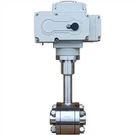
Hey there! As a supplier of DBB PLUG Valves, I often get asked about the cavitation resistance of these valves. So, I thought I'd take a moment to break it down for you.


First off, let's talk about what cavitation is. Cavitation occurs when the pressure of a liquid drops below its vapor pressure, causing vapor bubbles to form. When these bubbles collapse, they can create shockwaves that damage the valve and other components in the system. This can lead to reduced efficiency, increased maintenance costs, and even system failure.
Now, let's dive into the cavitation resistance of DBB PLUG Valves. DBB stands for Double Block and Bleed, which means these valves have two seating surfaces that provide a positive seal against the flow of fluid. This design helps to prevent leakage and reduces the risk of cavitation.
One of the key features of DBB PLUG Valves that contributes to their cavitation resistance is their streamlined design. The plug in these valves is shaped to minimize turbulence and pressure drop, which helps to keep the fluid flowing smoothly and reduces the likelihood of cavitation. Additionally, the valve's body is designed to withstand high pressures and temperatures, which further enhances its cavitation resistance.
Another important factor in the cavitation resistance of DBB PLUG Valves is the materials used in their construction. These valves are typically made from high-quality materials such as stainless steel, carbon steel, and alloy steel, which are known for their strength and durability. The valve's seats and seals are also made from materials that are resistant to wear and corrosion, which helps to ensure a long service life and reliable performance.
In addition to their design and materials, DBB PLUG Valves are also available with a variety of trim options that can further enhance their cavitation resistance. For example, some valves are equipped with anti-cavitation trim, which is designed to reduce the formation of cavitation bubbles by controlling the flow of fluid through the valve. Other valves may have a special coating or lining that helps to protect the valve from the effects of cavitation.
So, how does the cavitation resistance of DBB PLUG Valves compare to other types of valves? Well, it really depends on the specific application and the operating conditions. However, in general, DBB PLUG Valves are known for their excellent cavitation resistance and are often the preferred choice for applications where cavitation is a concern.
For example, in the oil and gas industry, DBB PLUG Valves are commonly used in high-pressure and high-temperature applications where cavitation can be a major problem. These valves are also used in chemical processing plants, power generation facilities, and other industrial applications where reliable performance and long service life are essential.
If you're in the market for a valve with excellent cavitation resistance, I highly recommend considering a DBB PLUG Valve. As a supplier, I can offer you a wide range of options to choose from, including different sizes, materials, and trim options. I can also provide you with expert advice and support to help you select the right valve for your specific application.
So, if you're interested in learning more about DBB PLUG Valves or have any questions about their cavitation resistance, please don't hesitate to [contact me for procurement and negotiation]. You can also check out our other valve products, like the Eccentricl PLUG Valve and the API PLUG Valve. And of course, for more information on our DBB PLUG Valve, just click the link.
References:
- Valve Handbook, 4th Edition by Robert W. McKetta
- Fluid Mechanics and Thermodynamics of Turbomachinery by S. L. Dixon
- Valve Selection and Sizing by Tom Irvine