



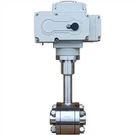
When it comes to gate valves, one of the most common questions we encounter as a gate valve supplier is about the differences in performance between large-size and small-size gate valves. Understanding these differences is crucial for customers to make informed decisions when selecting the right gate valve for their specific applications. In this blog, we will delve into the various aspects of performance and highlight how large and small gate valves vary.
Flow Capacity
One of the most obvious differences between large-size and small-size gate valves is their flow capacity. Large gate valves typically have a larger bore diameter, which allows for a higher volume of fluid to pass through. This makes them ideal for applications where a high flow rate is required, such as in large industrial pipelines, water treatment plants, and power generation facilities. For example, in a large-scale water distribution network, a large gate valve can efficiently handle the high volume of water flowing through the main pipelines.
On the other hand, small gate valves have a smaller bore diameter, resulting in a lower flow capacity. They are commonly used in applications where a lower flow rate is sufficient, such as in residential plumbing systems, small-scale industrial processes, and laboratory equipment. For instance, in a household plumbing system, a small gate valve can be used to control the flow of water to individual fixtures like sinks and toilets.
Pressure Rating
Pressure rating is another important performance factor that differs between large and small gate valves. Large gate valves are designed to withstand higher pressures due to their robust construction and larger size. They are often used in high-pressure applications, such as in oil and gas pipelines, where the pressure can be extremely high. The larger the valve, the more material is used in its construction, which provides greater strength and durability to handle the high pressures.
Small gate valves, on the other hand, have a lower pressure rating. They are suitable for low to medium-pressure applications, such as in domestic water supply systems and some light industrial processes. The smaller size and less material used in their construction make them less capable of withstanding high pressures. It is essential to select a gate valve with an appropriate pressure rating for the specific application to ensure safe and reliable operation.
Response Time
The response time of a gate valve refers to the time it takes for the valve to open or close fully. Large gate valves generally have a slower response time compared to small gate valves. This is because of their larger size and the greater mass of the gate and other internal components. Opening or closing a large gate valve requires more force and time to move the gate through the full stroke. In applications where a quick response is required, such as in emergency shutdown systems, large gate valves may not be the best choice.
Small gate valves, on the other hand, have a faster response time. Their smaller size and lighter components allow for quicker movement of the gate, enabling them to open or close more rapidly. This makes them suitable for applications where a rapid change in flow is needed, such as in some chemical processing plants where precise control of fluid flow is essential.
Installation and Maintenance
Installation and maintenance requirements also vary between large and small gate valves. Large gate valves are heavier and more difficult to handle during installation. They often require specialized equipment and skilled labor to install properly. Additionally, the larger size and complexity of large gate valves can make maintenance and repair more challenging and time-consuming. Replacement of parts may also be more expensive due to the larger size and the need for specialized components.
Small gate valves are relatively lightweight and easy to install. They can be installed by less skilled workers using common hand tools. Maintenance and repair of small gate valves are also generally simpler and less costly. Replacement parts are more readily available and less expensive compared to those for large gate valves.
Cost
Cost is an important consideration for any customer when selecting a gate valve. Large gate valves are generally more expensive than small gate valves. This is due to the higher cost of materials, more complex manufacturing processes, and the need for specialized equipment during production. Additionally, the transportation and installation costs of large gate valves are also higher.
Small gate valves, on the other hand, are more affordable. They require less material and simpler manufacturing processes, resulting in a lower cost. The lower transportation and installation costs also contribute to their overall affordability. However, it is important to note that the cost should not be the only factor considered when selecting a gate valve. The performance requirements of the application must also be taken into account to ensure that the selected valve meets the specific needs.
Applications
The differences in performance between large and small gate valves also determine their suitable applications. Large gate valves are commonly used in industries such as oil and gas, power generation, water treatment, and large-scale industrial manufacturing. Their high flow capacity, high pressure rating, and ability to handle large volumes of fluid make them ideal for these applications. For example, in an oil refinery, large gate valves are used to control the flow of crude oil and other petroleum products through the pipelines.
Small gate valves are widely used in residential, commercial, and small-scale industrial applications. Their lower cost, ease of installation, and suitability for low to medium-pressure and flow rate applications make them a popular choice. For instance, in a commercial building, small gate valves can be used to control the flow of water, gas, or other fluids in the plumbing and HVAC systems.
In conclusion, the performance differences between large-size and small-size gate valves are significant and must be carefully considered when selecting a valve for a specific application. As a gate valve supplier, we offer a wide range of gate valves, including CF8 Gate Valve, Carbon Steel Gate Valve, and Cast Iron Gate Valve, to meet the diverse needs of our customers. Whether you need a large gate valve for a high-pressure, high-flow application or a small gate valve for a low-pressure, low-flow application, we can provide you with the right solution. If you have any questions or need assistance in selecting the appropriate gate valve, please feel free to contact us for a procurement discussion. We are committed to providing you with the best products and services to ensure the success of your projects.


References
- Valve Handbook, edited by Tom L. Young
- Industrial Valves: Selection and Sizing, by Henry E. O'Neal