





Hey there! As a supplier of DIB Ball Valves, I've been getting a lot of questions lately about how the valve surface finish impacts fluid flow. So, I thought I'd take a deep dive into this topic and share what I've learned over the years.
First off, let's talk about what a DIB Ball Valve is. A Double Isolation and Bleed (DIB) Ball Valve is a type of valve that provides two separate seals to isolate the upstream and downstream sides of the valve, along with a bleed port to release any trapped fluid between the seals. These valves are commonly used in industries such as oil and gas, chemical processing, and power generation, where reliable isolation and control of fluid flow are crucial.
Now, onto the surface finish. The surface finish of a valve refers to the smoothness or roughness of its internal surfaces, particularly the ball and the seats. This finish can have a significant impact on how the valve performs, especially when it comes to fluid flow.
How Surface Finish Affects Fluid Flow
Friction and Pressure Drop
One of the most direct effects of valve surface finish on fluid flow is the amount of friction the fluid encounters as it passes through the valve. A rough surface finish creates more friction, which in turn leads to a higher pressure drop across the valve. Pressure drop is the difference in pressure between the inlet and the outlet of the valve, and it's an important factor to consider because it can affect the overall efficiency of the system.
For example, in a pipeline where the fluid needs to be transported over a long distance, a high pressure drop can require more energy to pump the fluid, increasing operational costs. On the other hand, a smooth surface finish reduces friction and minimizes pressure drop, allowing the fluid to flow more freely and efficiently.
Flow Turbulence
Another aspect affected by the surface finish is the formation of turbulence in the fluid flow. Turbulence is the irregular and chaotic movement of fluid particles, and it can cause several problems, such as increased noise, vibration, and wear on the valve components.
A rough surface finish can disrupt the smooth flow of the fluid, causing it to become turbulent. This turbulence can lead to uneven pressure distribution within the valve, which may result in premature failure of the valve seats or other internal parts. In contrast, a smooth surface finish promotes laminar flow, which is a more orderly and predictable flow pattern that reduces the likelihood of turbulence and its associated issues.
Cavitation
Cavitation is a phenomenon that occurs when the pressure of a fluid drops below its vapor pressure, causing the formation of vapor bubbles. These bubbles then collapse when they reach a region of higher pressure, generating shock waves that can damage the valve surfaces.
The surface finish of a valve can influence the onset of cavitation. A rough surface provides more sites for bubble formation, increasing the risk of cavitation. By having a smooth surface finish, the valve can resist the formation of these vapor bubbles and reduce the potential for cavitation damage.
Types of Surface Finishes and Their Impact
Machined Finish
A machined finish is a common type of surface finish for DIB Ball Valves. This finish is achieved through machining processes such as turning, milling, or grinding. Machined finishes typically have a relatively smooth surface, but they may still have some minor irregularities.
While a machined finish can provide decent performance in terms of fluid flow, it may not be sufficient for applications where extremely low friction and turbulence are required. In such cases, additional finishing processes may be necessary.
Polished Finish
A polished finish is a smoother and more refined surface finish than a machined finish. Polishing involves using abrasive materials to remove any remaining surface imperfections, resulting in a mirror-like finish.

A polished finish significantly reduces friction and turbulence, making it ideal for applications where high flow rates and low pressure drops are critical. It also helps to prevent the buildup of debris and contaminants on the valve surfaces, which can further improve the valve's performance and longevity.

Coated Finish
In some cases, a coated finish may be applied to the valve surfaces to enhance their performance. Coatings can provide additional protection against corrosion, wear, and erosion, as well as improve the surface smoothness.
For example, a hard chrome coating can increase the hardness and wear resistance of the valve surfaces, while a PTFE (polytetrafluoroethylene) coating can reduce friction and provide excellent chemical resistance. The choice of coating depends on the specific requirements of the application, such as the type of fluid being handled and the operating conditions.
Our DIB Ball Valve Offerings
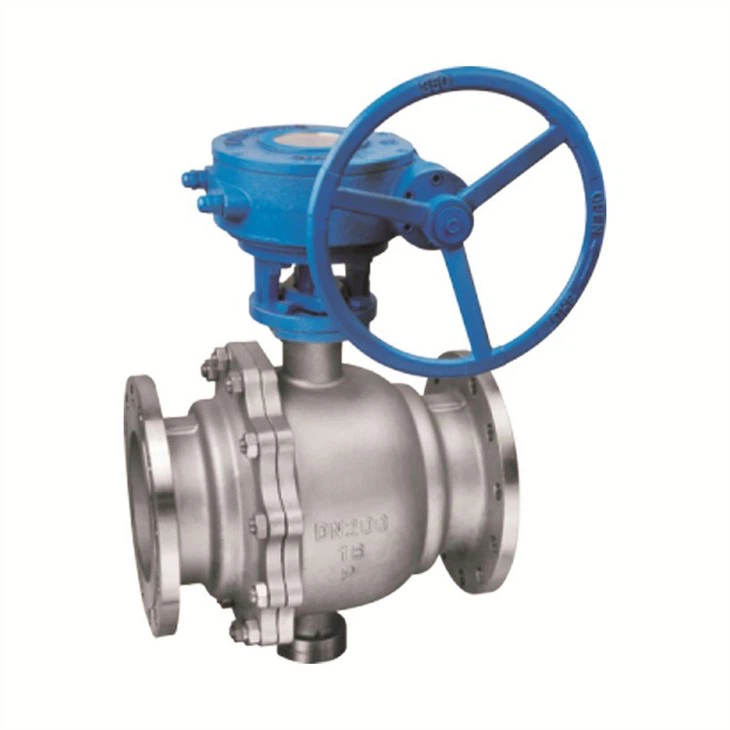
At our company, we offer a wide range of DIB Ball Valves with different surface finishes to meet the diverse needs of our customers. Whether you're looking for a Forged Trunnion Ball Valve for high-pressure applications or a Cast Trunnion Plated Ball Valve for more general use, we've got you covered.
We also have DBB Ball Valve options available, which provide an extra layer of isolation and safety. All of our valves are manufactured to the highest quality standards, and we pay close attention to the surface finish to ensure optimal fluid flow performance.
Importance of Choosing the Right Surface Finish
Selecting the appropriate surface finish for your DIB Ball Valve is crucial for ensuring the long-term performance and reliability of your system. Here are some factors to consider when making your decision:
Fluid Properties
The type of fluid being handled plays a significant role in determining the required surface finish. For example, if the fluid is highly viscous or contains abrasive particles, a smoother surface finish may be necessary to prevent clogging and wear. On the other hand, if the fluid is corrosive, a coated finish may be required to protect the valve surfaces.
Operating Conditions
The operating conditions, such as pressure, temperature, and flow rate, also influence the choice of surface finish. High-pressure applications may require a more robust surface finish to withstand the forces involved, while high-temperature applications may need a finish that can resist thermal expansion and contraction.
System Requirements
Finally, you need to consider the specific requirements of your system, such as the desired flow rate, pressure drop, and level of isolation. A valve with a smooth surface finish may be necessary to achieve the required flow rate and minimize pressure drop, while a valve with a high-quality seal and a suitable surface finish can provide better isolation.
Conclusion
In conclusion, the surface finish of a DIB Ball Valve has a profound impact on fluid flow. It affects friction, pressure drop, turbulence, and cavitation, all of which can influence the performance and longevity of the valve. By choosing the right surface finish for your application, you can ensure optimal fluid flow, reduce operational costs, and extend the life of your valve.

If you're in the market for a DIB Ball Valve and have questions about surface finishes or any other aspect of our products, don't hesitate to reach out. We're here to help you find the perfect valve for your needs and ensure that it performs at its best. Contact us today to start the conversation about your valve requirements.
References
- ASME B16.34 - Valves - Flanged, Threaded, and Welding End
- API 6D - Pipeline Valves - Specification for Pipeline Valves
- ISO 5208 - Industrial Valves - Pressure Testing of Valves