


Hey there! As a supplier of Globe Valves, I often get asked about the opening and closing torque of these valves. It's a crucial topic, especially for folks in industries that rely on these valves for their operations. So, let's dive right in and break down what opening and closing torque is all about when it comes to globe valves.
First off, what's torque? Well, torque is basically a measure of the force that can cause an object to rotate around an axis. In the context of a globe valve, the opening and closing torque refers to the amount of force you need to turn the valve stem to either open or close the valve. This is super important because if you don't have the right amount of torque, you might not be able to operate the valve properly, which can lead to all sorts of problems like leaks or even system failures.
There are a bunch of factors that can affect the opening and closing torque of a globe valve. One of the main ones is the valve size. Generally speaking, the bigger the valve, the higher the torque required. That's because larger valves have more surface area and more internal components that need to be moved when you open or close them. For example, a large - diameter Forged Globe Valve will need more torque to operate compared to a smaller one.
The type of seat and disc material also plays a big role. Different materials have different friction coefficients. If you have a valve with a seat and disc made of a material that has high friction, you'll need more torque to open and close it. For instance, some hard - faced materials can provide better wear resistance but may increase the torque requirements.
Another factor is the pressure differential across the valve. When there's a large difference in pressure between the inlet and the outlet of the valve, it can make it harder to open or close. Think of it like trying to push open a door when there's a strong wind pushing against it from the other side. The higher the pressure differential, the more force (torque) you'll need to overcome it.
Now, let's talk about how the opening and closing torque is measured. Usually, it's measured in units like Newton - meters (N·m) or foot - pounds (ft - lb). Specialized torque wrenches or torque sensors are used to measure the actual torque during the valve's operation. These tools can give you an accurate reading of how much force is being applied to turn the valve stem.
When it comes to our DIN Globe Valve products, we make sure to test the opening and closing torque thoroughly during the manufacturing process. We want to ensure that our customers get valves that are easy to operate and reliable. We use advanced testing equipment to simulate different operating conditions and measure the torque accurately. This way, we can guarantee that the valves meet the required standards and perform well in real - world applications.
The design of the valve also impacts the torque. Some globe valves are designed with features that reduce the opening and closing torque. For example, certain valve designs use a balanced disc, which helps to counteract the pressure forces acting on the disc. This can significantly reduce the torque required to operate the valve, especially in high - pressure applications.
In addition to the factors I've mentioned above, the lubrication of the valve stem and other moving parts can have a big impact on the torque. Proper lubrication reduces friction between the components, making it easier to turn the valve. If the valve isn't lubricated correctly, the torque can increase over time as the parts start to wear and the friction builds up.
Let's take a look at Socket Weld Globe Valve as an example. These valves are often used in smaller - scale applications where space is limited. The socket weld connection provides a strong and leak - tight joint. However, the design of the socket weld can also affect the torque. The way the valve is installed and the alignment of the components can either increase or decrease the torque required for operation.
As a Globe Valve supplier, we understand the importance of providing accurate information about the opening and closing torque of our valves. We know that our customers need to make informed decisions when choosing the right valve for their applications. That's why we provide detailed technical specifications for each of our valve products, including the expected opening and closing torque values under different conditions.
If you're in the market for a globe valve, it's essential to consider the opening and closing torque requirements. Make sure to choose a valve that is suitable for your specific application in terms of size, pressure, and material. If you're not sure which valve is right for you, our team of experts is always here to help. We can analyze your requirements and recommend the best valve for your needs.

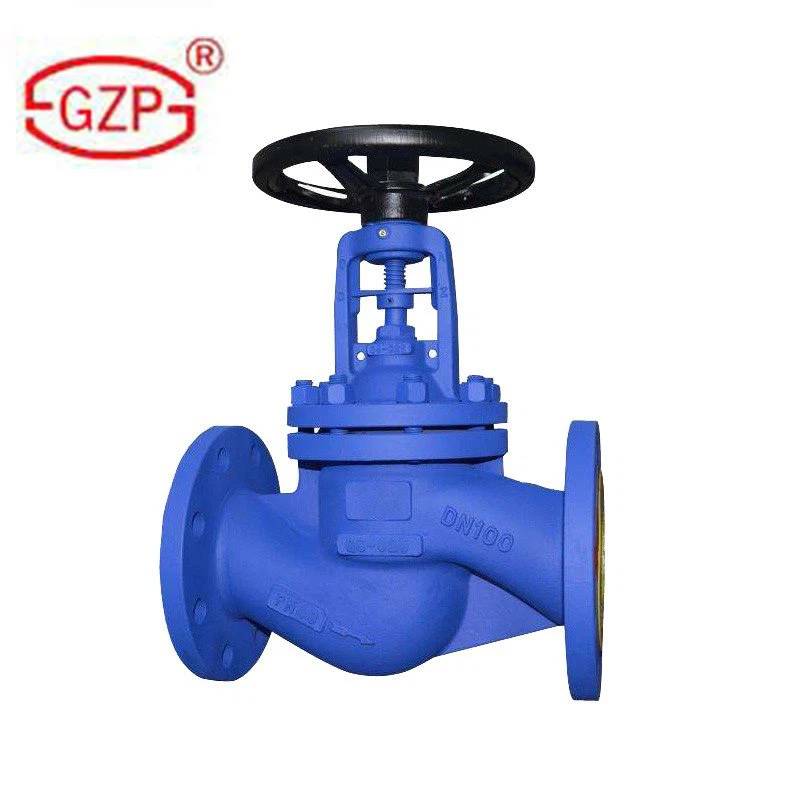
We also offer customization options for our globe valves. If you have special requirements regarding the opening and closing torque, we can work with you to design a valve that meets those needs. Whether it's adjusting the seat and disc material or modifying the valve design, we have the capabilities to provide a tailored solution.
In conclusion, the opening and closing torque of a globe valve is a critical parameter that affects its operation and performance. Understanding the factors that influence it can help you make better decisions when selecting a valve. At our company, we're committed to providing high - quality globe valves with optimal opening and closing torque characteristics. If you're interested in learning more about our products or have any questions about the opening and closing torque of globe valves, don't hesitate to reach out. We're eager to start a conversation and help you find the perfect valve for your project.
References
- Valve Handbook, various editions
- Technical literature on valve design and operation from industry associations