


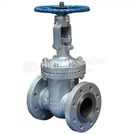


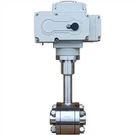

In the industrial world, gate valves are essential components used to control the flow of liquids and gases in pipelines. A lightweight gate valve, in particular, offers unique advantages such as ease of installation, reduced structural load, and lower transportation costs. As a supplier of gate valve prices, I am often asked about the price of lightweight gate valves. In this blog post, I will delve into the factors that influence the price of lightweight gate valves and provide some insights for potential buyers.
Factors Affecting the Price of Lightweight Gate Valves
Material
The material used in the construction of a gate valve is one of the primary factors determining its price. Lightweight gate valves can be made from various materials, each with its own cost implications.
- Cast Iron: Cast Iron Gate Valve is a popular choice for lightweight gate valves due to its relatively low cost. Cast iron is known for its durability and resistance to corrosion in certain environments. However, it may not be suitable for high - pressure or high - temperature applications. The price of a cast iron lightweight gate valve is generally on the lower end of the spectrum, making it an economical option for less demanding systems.
- Carbon Steel: Carbon Steel Gate Valve offers a good balance between strength and cost. Carbon steel is stronger than cast iron and can withstand higher pressures and temperatures. It is also more resistant to abrasion. The price of carbon steel lightweight gate valves is typically higher than that of cast iron valves but is still relatively affordable. The cost increase is due to the better material properties and the manufacturing processes involved in producing carbon steel valves.
- Forged Steel: Forged Gate Valve is known for its high strength and excellent performance under extreme conditions. Forging involves shaping the metal by applying compressive forces, which results in a more uniform and dense structure. Forged lightweight gate valves are suitable for high - pressure, high - temperature, and critical applications. However, the forging process is more complex and expensive than casting, which drives up the price of forged gate valves.
Size
The size of a gate valve is another significant factor affecting its price. Larger valves generally cost more than smaller ones. This is because larger valves require more material for their construction, and the manufacturing processes are more complex. Additionally, larger valves may need more specialized equipment for production, testing, and handling. For example, a 2 - inch lightweight gate valve will be less expensive than a 12 - inch one. As the diameter of the valve increases, the cost per unit of flow capacity also tends to increase.
Pressure Rating
The pressure rating of a gate valve indicates the maximum pressure it can safely handle. Higher - pressure - rated valves are designed to withstand greater forces and require more robust construction. Valves with higher pressure ratings often use thicker walls and stronger materials, which increases their cost. A lightweight gate valve with a pressure rating of 150 psi will be less expensive than one with a 600 psi rating. When selecting a gate valve, it is crucial to choose a pressure rating that is appropriate for the application to avoid over - or under - specifying, which can lead to unnecessary costs or safety risks.
Design and Features
The design and features of a gate valve can also impact its price. Some lightweight gate valves may have special designs, such as a wedge - shaped gate for better sealing, or additional features like a gear operator for easier operation. Valves with advanced sealing technologies, such as double - block - and - bleed capabilities, are more expensive than standard valves. The inclusion of automation components, such as electric or pneumatic actuators, will also significantly increase the price of the valve. These features add value by improving the performance, reliability, and ease of use of the valve but come at a higher cost.


Market Conditions
The price of lightweight gate valves is also influenced by market conditions. Fluctuations in the prices of raw materials, such as iron, steel, and alloys, can have a direct impact on the cost of manufacturing gate valves. For example, if the price of steel increases due to supply shortages or increased demand, the cost of carbon steel and forged steel gate valves will likely rise. Additionally, market competition can affect prices. In a highly competitive market, suppliers may offer lower prices to attract customers, while in a less competitive market, prices may be higher.
Price Range
Given the various factors affecting the price of lightweight gate valves, it is difficult to provide an exact price. However, as a general guideline, a small (e.g., 1 - 2 inches), cast iron lightweight gate valve with a low - pressure rating (e.g., 150 psi) may cost anywhere from $50 to $200. A medium - sized (e.g., 4 - 6 inches), carbon steel lightweight gate valve with a moderate - pressure rating (e.g., 300 psi) could range from $200 to $1000. Larger, forged steel lightweight gate valves with high - pressure ratings (e.g., 600 psi or higher) and advanced features can cost several thousand dollars.
Conclusion
The price of a lightweight gate valve is determined by multiple factors, including material, size, pressure rating, design, features, and market conditions. When considering purchasing a lightweight gate valve, it is essential to evaluate your specific requirements carefully. Choosing the right valve based on your application's needs, rather than simply going for the lowest price, will ensure long - term performance and cost - effectiveness.
If you are in the market for a lightweight gate valve and would like to discuss your specific requirements, I encourage you to reach out to me. I can provide you with detailed price quotes and technical advice to help you make an informed decision. Whether you need a simple cast iron valve for a small - scale project or a high - performance forged steel valve for a critical application, I am here to assist you in finding the right solution at a competitive price.
References
- ASME B16.34 - Valves - Flanged, Threaded, and Welding End
- API 600 - Steel Gate Valves - Flanged and Butt - Welding Ends, Bolted Bonnet
- ISO 5208 - Industrial Valves - Pressure Testing of Valves