


The response time of a Double Isolation and Bleed (DIB) ball valve is a critical factor that influences its performance in various industrial applications. As a leading supplier of DIB ball valves, understanding this parameter is fundamental to providing our customers with the best solutions for their specific needs.
Understanding DIB Ball Valves
Before delving into the response time, it's essential to understand what a DIB ball valve is. A DIB ball valve is designed to provide double isolation and bleed functionality. This means that it can isolate the upstream and downstream sides of a pipeline simultaneously and then bleed the cavity between the two seats. This feature is crucial in applications where safety and process integrity are of utmost importance, such as in the oil and gas, chemical, and power industries.
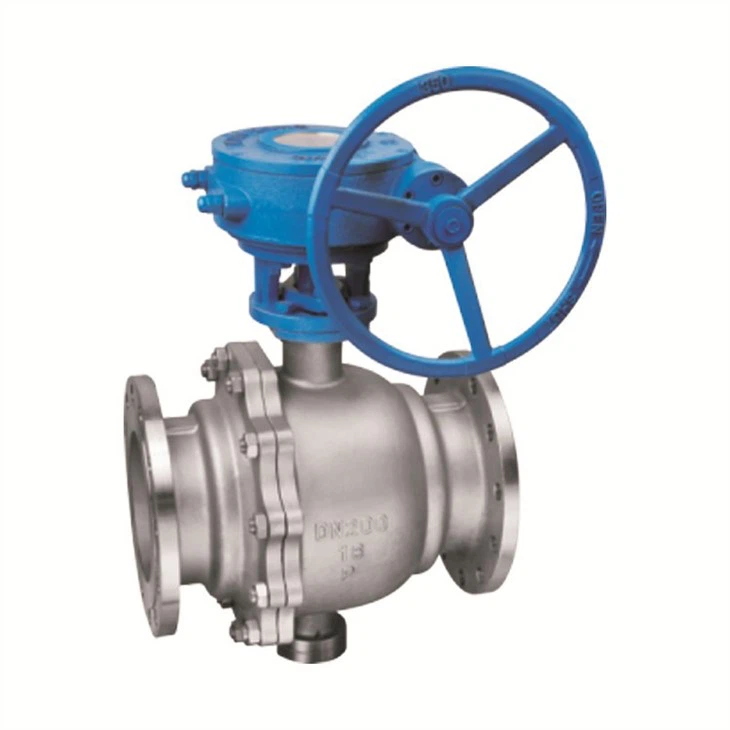
There are different types of ball valves related to DIB ball valves, like the DBB Ball Valve. A Double Block and Bleed (DBB) ball valve also provides isolation on both sides of the valve, but its design and operation might have some differences compared to a DIB ball valve. Additionally, Cast Trunnion Ball Valve and Forged Trunnion Ball Valve are other types of ball valves that are often used in high - pressure and large - diameter applications. Trunnion - mounted ball valves, whether cast or forged, have a trunnion that helps to support the ball, reducing the operating torque and enhancing the valve's performance.
Factors Affecting the Response Time of DIB Ball Valves
The response time of a DIB ball valve refers to the time it takes for the valve to move from one position (fully open or fully closed) to the other. Several factors can affect this response time:
Valve Size
Larger valves generally have longer response times. This is because a larger valve has a greater mass to move. The ball, stem, and other internal components are bigger, and more force is required to rotate the ball to open or close the valve. For example, a 24 - inch DIB ball valve will typically have a longer response time compared to a 2 - inch one.
Actuator Type
The type of actuator used on the DIB ball valve has a significant impact on the response time. There are several types of actuators, including electric, pneumatic, and hydraulic actuators.
- Electric Actuators: These actuators convert electrical energy into mechanical motion. The response time of an electric - actuated DIB ball valve can vary depending on the motor speed and the gearbox ratio. Electric actuators are often used when precise control and slow - to - medium response times are required.
- Pneumatic Actuators: Pneumatic actuators use compressed air to operate the valve. They are known for their relatively fast response times. The speed of a pneumatic actuator can be adjusted by controlling the air pressure and the size of the air ports. However, the response time can also be affected by factors such as the length and diameter of the air supply lines and the air compressor's capacity.
- Hydraulic Actuators: Hydraulic actuators use hydraulic fluid to generate the force needed to operate the valve. They can provide high - force output and can have very fast response times, especially in large - scale applications. However, hydraulic systems are more complex and require proper maintenance.
Fluid Properties
The properties of the fluid flowing through the valve can also influence the response time. Viscous fluids, such as heavy oils, can create more resistance to the movement of the ball, increasing the response time. On the other hand, low - viscosity fluids like water will have less effect on the valve's operation and may result in a shorter response time.

Measuring and Optimizing Response Time
To ensure that our DIB ball valves meet the required performance standards, we conduct thorough testing to measure the response time. During testing, we use specialized equipment to record the time it takes for the valve to open or close completely. This data is then analyzed to identify any areas for improvement.
To optimize the response time of our DIB ball valves, we take several steps:
- Actuator Selection: We carefully select the appropriate actuator based on the application requirements. For applications that require fast response times, we may recommend pneumatic or hydraulic actuators. For applications where precise control is more important, electric actuators might be a better choice.
- Valve Design: Our engineers continuously work on improving the valve design to reduce the mass of the moving parts without compromising the valve's strength and durability. This helps to decrease the force required to operate the valve and, consequently, reduces the response time.
- Fluid Compatibility: We also consider the fluid properties when designing and selecting the valve materials. Using materials that are compatible with the fluid can minimize the internal friction and resistance, leading to a shorter response time.
Importance of Response Time in Different Applications
The response time of a DIB ball valve is crucial in different industrial applications:
Process Control
In chemical and petrochemical plants, precise process control is essential. A DIB ball valve with a short response time can quickly adjust the flow rate and pressure of the fluids in the pipeline, ensuring that the chemical reactions occur under the desired conditions. For example, in a distillation column, a fast - acting DIB ball valve can be used to control the reflux ratio, which is critical for the separation efficiency.
Emergency Shutdown Systems
In the oil and gas industry, emergency shutdown systems (ESD) are used to prevent accidents and protect personnel and equipment. DIB ball valves in ESD systems need to have very fast response times. In the event of a leak or other emergency, the valve must be able to close within a few seconds to isolate the affected section of the pipeline.
Power Generation
In power plants, whether it's a thermal, hydro, or nuclear power plant, DIB ball valves are used to control the flow of steam, water, and other fluids. A short response time is necessary to maintain the stability of the power generation process. For example, in a steam turbine, a fast - acting DIB ball valve can quickly adjust the steam flow to control the turbine's speed.
Contact Us for Your DIB Ball Valve Needs
As a reliable supplier of DIB ball valves, we understand the importance of response time and other performance parameters. Our team of experts can help you select the right DIB ball valve for your specific application, taking into account factors such as valve size, actuator type, and fluid properties. If you are looking for high - quality DIB ball valves with optimized response times, we invite you to contact us for procurement and further discussions. We are committed to providing you with the best solutions and excellent customer service.
References
- API 6D - Specification for Pipeline valves.
- ISO 17292 - Petroleum, petrochemical and natural gas industries - Ball valves.
- Valve Handbook, by J. S. T. Smith.