




Can a DBB Ball Valve be used in a chemical plant?
As a supplier of DBB Ball Valves, I've been asked numerous times whether these valves are suitable for use in chemical plants. This is a crucial question, considering the harsh and often corrosive environments that chemical plants present. In this blog, I'll delve into the features of DBB Ball Valves, their suitability for chemical plants, and how they can contribute to the efficient and safe operation of such facilities.
Understanding DBB Ball Valves
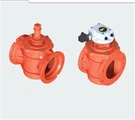
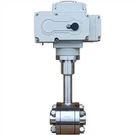
First, let's clarify what a DBB Ball Valve is. DBB stands for Double Block and Bleed. A DBB Ball Valve is designed to provide a double isolation and bleeding function. This means that it can block the flow of fluid from both directions simultaneously and also allow for the bleeding of any trapped fluid between the two seats. This feature is particularly useful in applications where the isolation of process fluids is critical for safety and maintenance purposes.
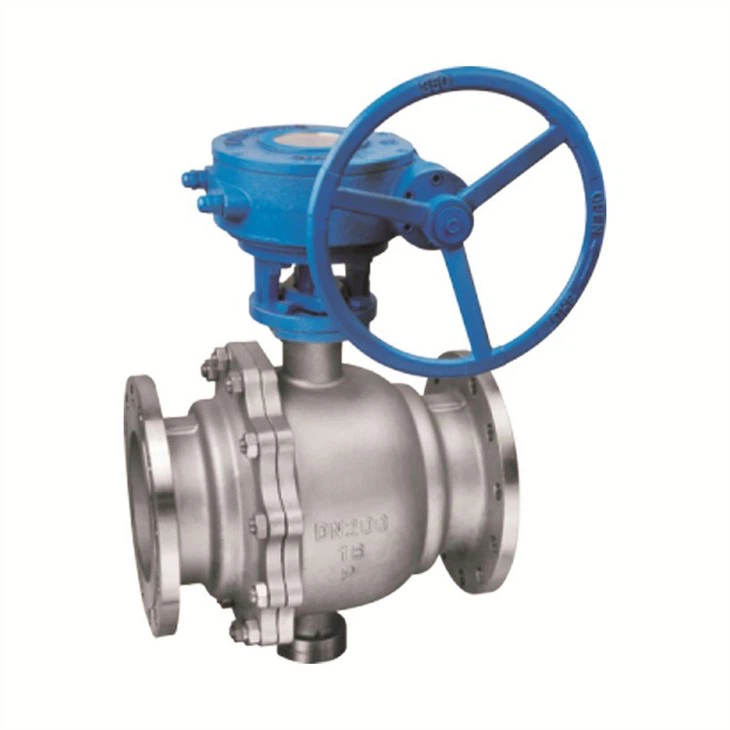
DBB Ball Valves typically have a trunnion-mounted design. The trunnion support reduces the operating torque required to turn the valve, making it easier to operate, especially in large-diameter and high-pressure applications. This design also provides better sealing performance, as the trunnion helps to keep the ball in place and maintain a tight seal against the seats.
Suitability for Chemical Plants
Chemical plants operate in a highly demanding environment. The fluids they handle can be corrosive, abrasive, toxic, or flammable. Therefore, the valves used in these plants must be able to withstand these harsh conditions and provide reliable performance over an extended period.
Corrosion Resistance
One of the primary concerns in chemical plants is corrosion. Many chemicals can react with metals, causing them to deteriorate over time. DBB Ball Valves can be manufactured from a variety of materials, including stainless steel, duplex stainless steel, and exotic alloys such as Hastelloy and Inconel. These materials offer excellent corrosion resistance, making them suitable for use with a wide range of chemicals. For example, stainless steel is resistant to many acids and alkalis, while Hastelloy is particularly suitable for handling highly corrosive media such as sulfuric acid and hydrochloric acid.
Sealing Performance
In chemical plants, preventing leakage is of utmost importance. A leak can not only lead to product loss but also pose a safety hazard to the plant personnel and the environment. DBB Ball Valves are designed to provide a tight seal, even under high pressure and temperature conditions. The double block and bleed feature ensures that there is no bypass of fluid, providing an extra layer of protection against leakage. The trunnion-mounted design also helps to maintain the integrity of the seal by keeping the ball in proper alignment with the seats.
Abrasion Resistance
Some chemicals may contain solid particles or slurries that can cause abrasion to the valve components. DBB Ball Valves can be equipped with hard-faced seats and balls to resist abrasion. For example, Cast Trunnion Ball Valves can be designed with a tungsten carbide coating on the ball and seats, which provides excellent abrasion resistance and extends the service life of the valve.
Safety and Maintenance
The double block and bleed function of DBB Ball Valves is a significant advantage in chemical plants. It allows for the isolation of a section of the pipeline for maintenance or repair without the need to shut down the entire process. This can save time and money, as well as reduce the risk of downtime. Additionally, the ability to bleed the trapped fluid between the two seats helps to ensure that the valve is safe to work on.
Applications in Chemical Plants
DBB Ball Valves can be used in a variety of applications in chemical plants, including:
Process Pipelines
In chemical processes, DBB Ball Valves can be used to control the flow of raw materials, intermediate products, and finished products. They can be installed in pipelines that carry acids, alkalis, solvents, and other chemicals. The double block and bleed feature allows for the isolation of specific sections of the pipeline for maintenance or to prevent cross-contamination.
Storage Tanks
DBB Ball Valves are also suitable for use in storage tank applications. They can be used to control the filling and emptying of tanks, as well as to isolate the tank from the pipeline system. The corrosion-resistant materials used in these valves ensure that they can withstand the chemicals stored in the tanks.
Safety Systems
In chemical plants, safety is a top priority. DBB Ball Valves can be used in safety systems such as emergency shutdown valves and pressure relief systems. The reliable sealing performance and double block and bleed function of these valves make them ideal for ensuring the safety of the plant and its personnel.
Conclusion
In conclusion, DBB Ball Valves are well-suited for use in chemical plants. Their corrosion resistance, sealing performance, abrasion resistance, and safety features make them a reliable choice for controlling the flow of chemicals in these demanding environments. Whether it's for process pipelines, storage tanks, or safety systems, DBB Ball Valves can provide the performance and reliability required for the efficient and safe operation of chemical plants.
If you're looking for high-quality DBB Ball Valves for your chemical plant, we're here to help. Our team of experts can provide you with the right valve solutions based on your specific requirements. Contact us today to discuss your needs and start the procurement process.

References
- Valve Handbook, 4th Edition, by Leslie E. Kinsman
- Chemical Engineering Handbook, 8th Edition, by Perry and Green