


As a supplier of globe valves, I've encountered numerous inquiries from customers regarding the automation of globe valves. The question "Can a globe valve be automated?" is not only common but also crucial in modern industrial applications. In this blog, I'll delve into the feasibility, benefits, and considerations of automating globe valves.
The Feasibility of Automating Globe Valves
The short answer is yes, a globe valve can be automated. Globe valves are designed to control the flow of fluid through a pipe by moving a disc (plug) towards or away from a seat. This linear motion characteristic makes them suitable for automation. Automation of globe valves involves integrating them with actuators, which can be pneumatic, electric, or hydraulic.
Pneumatic actuators use compressed air to generate the force required to open or close the valve. They are known for their fast operation and high thrust capabilities, making them ideal for applications where quick response times are needed. Electric actuators, on the other hand, use an electric motor to drive the valve stem. They offer precise control and are often used in applications where accurate positioning is required. Hydraulic actuators use hydraulic fluid to generate force and are typically used in high-pressure applications.
Benefits of Automating Globe Valves
1. Improved Efficiency
Automated globe valves can be programmed to open and close at specific times or in response to certain conditions. This eliminates the need for manual operation, reducing the time and effort required to control the flow of fluid. For example, in a chemical processing plant, automated globe valves can be used to regulate the flow of reactants based on the process requirements, ensuring consistent product quality and reducing waste.
2. Enhanced Safety
In hazardous environments, such as oil and gas refineries or chemical plants, manual operation of valves can be dangerous. Automated globe valves can be remotely controlled, allowing operators to monitor and adjust the valve position from a safe distance. This reduces the risk of exposure to harmful chemicals or high-pressure fluids.
3. Precise Control
Automation allows for more precise control of the valve position, which is essential in applications where accurate flow regulation is required. For instance, in a water treatment plant, automated globe valves can be used to maintain a constant flow rate of water through the treatment process, ensuring effective purification.
4. Remote Monitoring and Diagnostic
Many automated globe valve systems are equipped with sensors and communication devices that allow for remote monitoring and diagnostic. Operators can access real-time data on valve performance, such as position, pressure, and temperature, and receive alerts in case of any abnormalities. This enables proactive maintenance and reduces the risk of unplanned downtime.
Considerations for Automating Globe Valves
1. Compatibility
Before automating a globe valve, it's important to ensure that the valve is compatible with the selected actuator. Factors such as valve size, pressure rating, and stem design need to be considered to ensure proper installation and operation. Additionally, the actuator should be able to provide the required thrust or torque to open and close the valve.
2. Control System Integration
Automated globe valves need to be integrated with a control system, such as a programmable logic controller (PLC) or a distributed control system (DCS). The control system should be able to communicate with the actuator and receive feedback from the valve position sensors. Proper integration is essential for achieving accurate control and reliable operation.
3. Maintenance and Serviceability
Automated globe valves require regular maintenance to ensure optimal performance. This includes lubrication, inspection of seals and gaskets, and calibration of the actuator. It's important to choose an actuator that is easy to maintain and has a good service record. Additionally, spare parts should be readily available to minimize downtime in case of a failure.
4. Cost
Automating a globe valve can be a significant investment, especially when considering the cost of the actuator, control system, and installation. However, the long-term benefits of improved efficiency, safety, and control often outweigh the initial cost. It's important to conduct a cost-benefit analysis to determine the feasibility of automation for your specific application.
Our Globe Valve Offerings
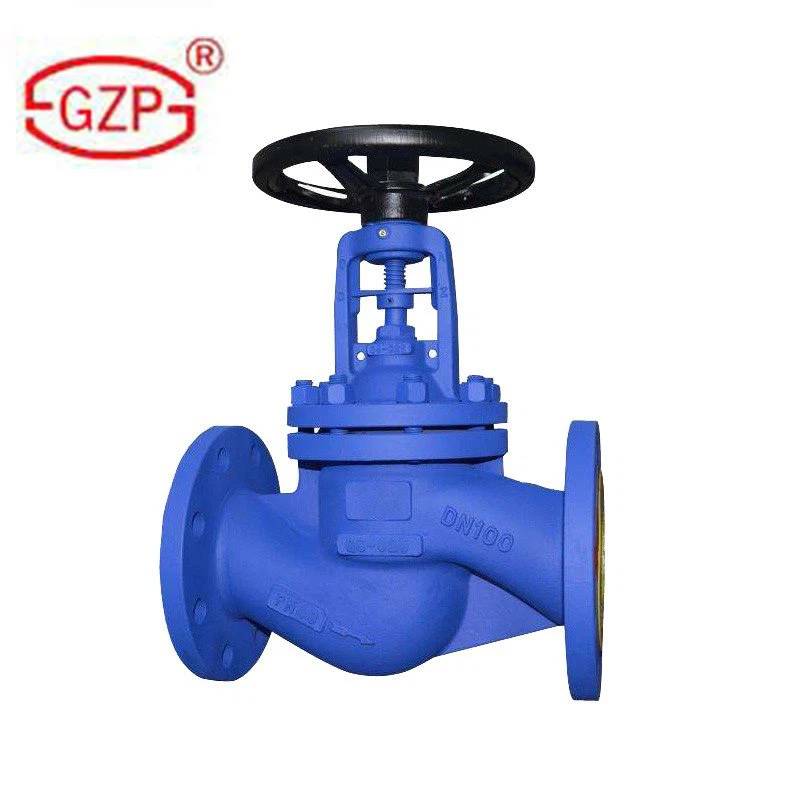
As a leading supplier of globe valves, we offer a wide range of products to meet the diverse needs of our customers. Our DIN Globe Valve is designed to meet the strict standards of the German Institute for Standardization (DIN). It features a robust construction and precise flow control, making it suitable for a variety of industrial applications.
Our Extend Stem Globe Valve is ideal for applications where the valve needs to be installed in hard-to-reach locations or in high-temperature environments. The extended stem allows for easy operation and maintenance, even in challenging conditions.
For applications requiring high-strength and corrosion resistance, our F304 BW Forged Globe Valve is an excellent choice. It is made from high-quality forged stainless steel and is designed to withstand high pressures and temperatures.

Conclusion
In conclusion, a globe valve can be automated, and the benefits of automation are significant. By improving efficiency, enhancing safety, providing precise control, and enabling remote monitoring and diagnostic, automated globe valves can help industries optimize their processes and reduce costs. However, it's important to consider factors such as compatibility, control system integration, maintenance, and cost before automating a globe valve.
If you're interested in learning more about our globe valves or automating your valve systems, please don't hesitate to contact us. Our team of experts is ready to assist you in finding the right solution for your specific needs. We look forward to the opportunity to work with you and help you achieve your goals.
References
- "Valve Handbook" by Milton Beychok
- "Control Valve Handbook" by Emerson Process Management