


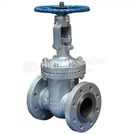


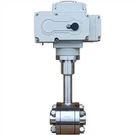

In the industrial equipment market, the price of plug valves is a topic of great concern to both suppliers and buyers. As a seasoned plug valve price supplier, I often encounter inquiries from customers about whether plug valve prices depend on the quantity ordered. In this blog, I will delve into this issue and provide a comprehensive analysis based on my years of experience in the industry.
The General Relationship between Order Quantity and Price
It is a well - known principle in business that economies of scale often play a significant role in determining prices. When it comes to plug valves, this rule generally holds true. As the quantity of plug valves ordered increases, the unit price tends to decrease. There are several reasons for this relationship.
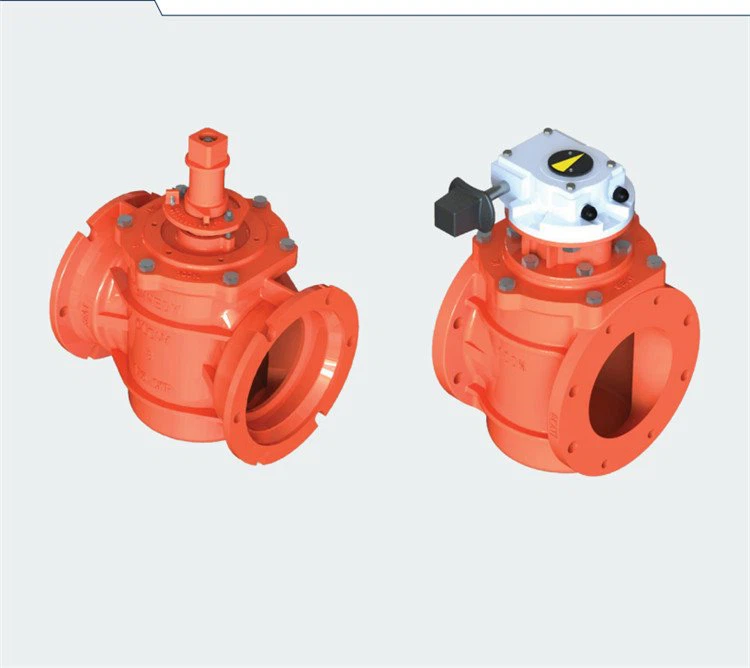

Firstly, from a production perspective, larger orders allow for more efficient use of production resources. When we produce a large number of plug valves, we can optimize our production processes. For example, we can set up dedicated production lines for a specific order, which reduces the setup time between different batches. This leads to increased productivity and lower per - unit production costs. Moreover, we can purchase raw materials in bulk. When buying large quantities of metals, plastics, and other materials needed for plug valve manufacturing, we can negotiate better prices with our suppliers. These cost savings can then be passed on to the customers in the form of lower unit prices.
Secondly, from a business operation point of view, fixed costs such as administrative expenses, equipment depreciation, and factory rent can be spread over a larger number of products. For a small order, these fixed costs account for a relatively large proportion of the total cost per unit. However, as the order quantity grows, the fixed cost per unit decreases significantly, allowing for a reduction in the overall price.
Exceptions to the Rule
While the general trend is that larger orders lead to lower prices, there are exceptions to this rule.
One factor that can disrupt this relationship is the complexity of the plug valve design. For instance, Jacketed Three - Way PLUG Valve has a more complex structure compared to standard plug valves. It requires additional manufacturing processes and specialized materials to ensure proper insulation and functionality. Even if a customer orders a large quantity of these valves, the high cost of production due to their complexity may limit the extent of price reduction. In some cases, the price per unit may not decrease as much as expected or may even remain relatively stable regardless of the order quantity.
Another exception is related to market conditions. If there is a sudden shortage of raw materials in the market, the price of these materials will increase. Even for large orders, we may not be able to offer significant price discounts because our own costs have gone up. For example, if a key metal used in plug valve manufacturing experiences a supply - chain disruption, we will have to pay more for it, and this cost increase will be reflected in the price of the valves, regardless of the order volume.
Other Factors Affecting Plug Valve Prices
Apart from order quantity, there are several other factors that influence plug valve prices.
Valve Specification and Quality
Different types of plug valves, such as API PLUG Valve and Eccentricl PLUG Valve, have different specifications and performance requirements. API plug valves are designed to meet strict industry standards, which often means higher manufacturing precision and better quality control. As a result, they generally have a higher price compared to non - API compliant valves. Eccentric plug valves, on the other hand, have unique design features that make them suitable for specific applications, and their prices are also affected by the complexity of their design and the quality of materials used.
Brand and Reputation
In the market, well - known brands often command higher prices. A brand with a long - standing reputation for quality, reliability, and excellent customer service can charge more for its plug valves. Customers are often willing to pay a premium for a brand they trust because they believe they are getting a product with better performance and fewer maintenance issues. Our brand, with years of experience in the industry, has built a good reputation, and this is also factored into our pricing strategy.
Market Competition
The level of competition in the plug valve market also has a significant impact on prices. In a highly competitive market, suppliers may offer lower prices to attract customers. We constantly monitor our competitors' prices and adjust our own pricing strategies accordingly. However, we also strive to maintain the quality of our products, so we cannot simply engage in a price war. Instead, we focus on providing value - added services and unique product features to differentiate ourselves from the competition.
Conclusion
In conclusion, while there is generally a negative correlation between the quantity of plug valves ordered and the unit price, it is not the only factor determining the price. The complexity of the valve design, market conditions, valve specification and quality, brand and reputation, and market competition all play important roles. As a plug valve price supplier, we take all these factors into account when setting prices.
If you are in the market for plug valves and want to discuss the best pricing options based on your specific needs, we encourage you to reach out to us for a detailed negotiation. Our team of experts is ready to provide you with professional advice and customized solutions. Whether you need a small quantity for a pilot project or a large - scale order for a major industrial installation, we can work with you to find the most cost - effective solution.
References
- "Industrial Valve Handbook" by Valve Manufacturers Association
- Market research reports on the global plug valve industry