




Hey there! As a supplier of DIN Globe Valves, I've seen firsthand how the design of these valves can have a huge impact on their performance. In this blog post, I'm gonna break down the key design elements of DIN Globe Valves and explain how they affect the way these valves work.
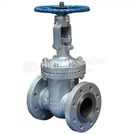
Let's start with the basics. A DIN Globe Valve is a type of valve that's commonly used in industrial applications to control the flow of fluids. It gets its name from its spherical body shape, which looks a bit like a globe. The valve consists of a movable disk (or plug) that's connected to a stem, and a stationary ring seat. When the valve is open, fluid can flow through the valve, and when it's closed, the disk seals against the seat to stop the flow.
One of the most important design features of a DIN Globe Valve is its seat design. The seat is the part of the valve that the disk seals against, and it plays a crucial role in determining the valve's sealing performance. There are two main types of seat designs: soft seats and metal seats.
Soft seats are typically made from materials like rubber or PTFE (polytetrafluoroethylene). These materials are flexible and can conform to the shape of the disk, which helps to create a tight seal. Soft seats are great for applications where a high level of sealing performance is required, such as in the food and beverage industry or in pharmaceutical applications. However, they can be more prone to wear and tear over time, especially in high-temperature or high-pressure applications.
Metal seats, on the other hand, are made from materials like stainless steel or alloy steel. These materials are more durable and can withstand higher temperatures and pressures than soft seats. Metal seats are commonly used in applications where the valve needs to be able to handle harsh chemicals or abrasive fluids. However, they can be more difficult to seal properly than soft seats, and they may require more frequent maintenance to ensure a good seal.
Another important design feature of a DIN Globe Valve is its stem design. The stem is the part of the valve that connects the disk to the actuator (the device that controls the movement of the valve). There are two main types of stem designs: rising stems and non-rising stems.
Rising stems are designed to move up and down as the valve is opened and closed. This means that the position of the stem can be used to indicate the position of the valve. Rising stems are commonly used in applications where it's important to be able to see the position of the valve at a glance, such as in industrial plants or in power generation facilities.
Non-rising stems, on the other hand, are designed to rotate as the valve is opened and closed, but they don't move up and down. This means that the position of the stem doesn't indicate the position of the valve. Non-rising stems are commonly used in applications where space is limited, or where the valve needs to be installed in a vertical position.
The body design of a DIN Globe Valve also plays an important role in its performance. The body is the main part of the valve that houses the disk, seat, and stem. There are two main types of body designs: straight-through bodies and angle bodies.
Straight-through bodies are designed to allow fluid to flow straight through the valve in a straight line. This type of body design is commonly used in applications where a low-pressure drop is required, such as in pipelines or in heating and cooling systems.
Angle bodies, on the other hand, are designed to change the direction of the fluid flow by 90 degrees. This type of body design is commonly used in applications where the valve needs to be installed in a tight space or where the fluid flow needs to be redirected.
In addition to these key design features, there are also a number of other factors that can affect the performance of a DIN Globe Valve. For example, the size of the valve, the type of actuator used, and the operating conditions (such as temperature, pressure, and flow rate) can all have an impact on how well the valve works.
As a supplier of DIN Globe Valves, I offer a wide range of valves to meet the needs of different applications. Whether you're looking for a Forged Globe Valve for a high-pressure application or a Bellow Seal Globe Valve for a corrosive environment, I've got you covered.
If you're in the market for a DIN Globe Valve, I'd love to help you find the right valve for your needs. Just get in touch with me, and we can discuss your requirements in more detail. Whether you're a small business or a large industrial corporation, I'm committed to providing you with the best possible products and services.
So, if you're looking for a reliable supplier of DIN Globe Valves, look no further. Contact me today, and let's start talking about how I can help you with your valve needs.


References
- "Valve Handbook", 4th Edition, by E. Richard Smith
- "Industrial Valves: Design and Application", by Cameron C. Poe