


Pulsating flow can have significant negative impacts on DIN Globe Valves, including increased wear and tear, reduced service life, and potential performance degradation. As a DIN Globe Valve supplier, we understand the importance of addressing this issue to ensure the reliable and efficient operation of our valves. In this blog post, we will explore several measures that can be taken to reduce the impact of pulsating flow on DIN Globe Valves.
Understanding Pulsating Flow
Pulsating flow refers to a flow pattern where the fluid velocity and pressure vary periodically over time. This can be caused by a variety of factors, such as reciprocating pumps, compressors, or unsteady flow conditions in the pipeline. Pulsations can create vibrations and pressure fluctuations within the valve, leading to mechanical stress, noise, and potential damage to the valve components.
Impact of Pulsating Flow on DIN Globe Valves
The effects of pulsating flow on DIN Globe Valves can be quite severe. Here are some of the key issues:
- Increased Wear and Tear: The continuous vibration and pressure fluctuations can cause accelerated wear of the valve seats, discs, and stems. This can lead to leakage, reduced flow control accuracy, and ultimately, valve failure.
- Noise and Vibration: Pulsating flow can generate significant noise and vibration, which not only affects the working environment but also indicates potential mechanical problems within the valve. Excessive vibration can also loosen the valve connections and cause additional stress on the pipeline.
- Reduced Service Life: The combination of wear, stress, and vibration can significantly reduce the service life of the valve, increasing maintenance costs and downtime.
Measures to Reduce the Impact of Pulsating Flow
1. Pulsation Dampeners
Pulsation dampeners are devices designed to absorb and reduce the pressure fluctuations caused by pulsating flow. They work by providing a volume of fluid that can expand and contract in response to the pressure changes, smoothing out the flow and reducing the impact on the valve. There are several types of pulsation dampeners available, including:
- Gas-charged Dampeners: These dampeners use a gas (usually nitrogen) to provide the cushioning effect. They are effective in reducing high-frequency pulsations and can be adjusted to suit different operating conditions.
- Bladder Dampeners: Bladder dampeners use a flexible bladder to separate the gas and the fluid. They are suitable for a wide range of applications and can handle both high and low-pressure pulsations.
By installing a pulsation dampener upstream of the DIN Globe Valve, the pressure fluctuations can be significantly reduced, protecting the valve from the adverse effects of pulsating flow.
2. Pipe Routing and Support
Proper pipe routing and support can also play a crucial role in reducing the impact of pulsating flow on the valve. Here are some guidelines:
- Avoid Sharp Bends and Restrictions: Sharp bends and restrictions in the pipeline can cause additional pressure fluctuations and turbulence, exacerbating the effects of pulsating flow. Whenever possible, use gradual bends and smooth transitions in the pipe layout.
- Provide Adequate Pipe Support: Proper pipe support helps to reduce vibration and prevent excessive movement of the pipeline. Use rigid supports at regular intervals to minimize the dynamic forces acting on the valve.
- Isolate the Valve: Consider using flexible connectors or expansion joints to isolate the valve from the pipeline vibrations. This can help to reduce the transfer of mechanical stress to the valve components.
3. Valve Design and Material Selection
The design and material selection of the DIN Globe Valve can also influence its resistance to pulsating flow. Here are some considerations:
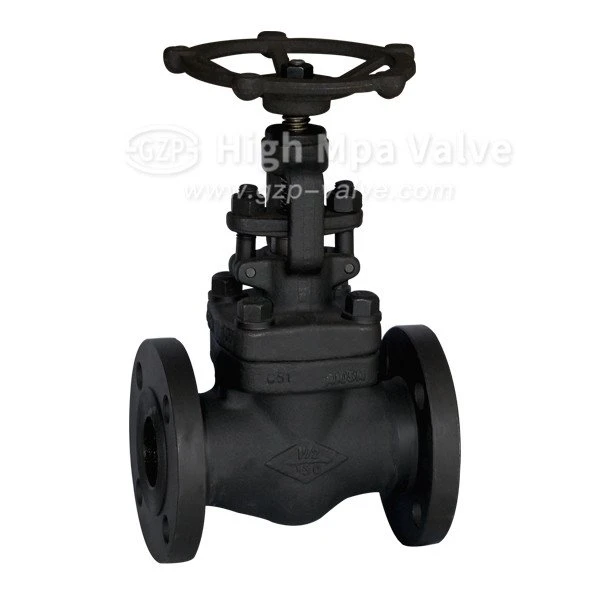

- Robust Design: Choose a valve with a robust design that can withstand the mechanical stress and vibration caused by pulsating flow. Look for features such as thick-walled bodies, reinforced stems, and sturdy seats.
- High-Quality Materials: Select valve materials that are resistant to wear, corrosion, and fatigue. For example, stainless steel or alloy materials can provide better performance in harsh operating environments.
- Proper Sizing: Ensure that the valve is properly sized for the application. An undersized valve can cause excessive pressure drops and turbulence, while an oversized valve may not provide accurate flow control.
4. Flow Conditioning
Flow conditioning involves modifying the flow pattern upstream of the valve to reduce the pulsations. This can be achieved through the use of flow straighteners, diffusers, or other devices. Flow straighteners are typically installed upstream of the valve to align the flow and reduce turbulence, while diffusers can be used to expand the flow and reduce the velocity.
5. Monitoring and Maintenance
Regular monitoring and maintenance are essential to ensure the long-term performance of the DIN Globe Valve under pulsating flow conditions. Here are some recommended practices:
- Vibration Monitoring: Use vibration sensors to monitor the vibration levels of the valve. High vibration levels can indicate potential problems, such as loose connections or worn components.
- Pressure and Flow Monitoring: Continuously monitor the pressure and flow rate of the fluid passing through the valve. Any significant changes in these parameters can be a sign of valve malfunction or pulsating flow issues.
- Regular Maintenance: Perform regular maintenance on the valve, including inspection, cleaning, and lubrication. Replace any worn or damaged components promptly to prevent further damage.
Conclusion
Pulsating flow can have a significant impact on the performance and service life of DIN Globe Valves. However, by implementing the measures discussed in this blog post, such as using pulsation dampeners, proper pipe routing and support, appropriate valve design and material selection, flow conditioning, and regular monitoring and maintenance, the negative effects of pulsating flow can be effectively reduced.
As a DIN Globe Valve supplier, we are committed to providing high-quality valves and solutions to our customers. Our Socket Weld Globe Valve, Forged Globe Valve, and Forge Flange Globe Valve are designed to meet the highest standards of performance and reliability, even in challenging operating conditions.
If you are facing issues with pulsating flow in your application or need more information about our DIN Globe Valves, please feel free to contact us. Our team of experts is ready to assist you in selecting the right valve and providing customized solutions to meet your specific requirements. Let's work together to ensure the smooth and efficient operation of your fluid handling systems.
References
- "Valve Handbook" by J. A. Nyquist
- "Fluid Mechanics" by Frank M. White
- "Piping and Pipeline Engineering" by George A. Antaki