


How to Adjust the Flow Rate of an API PLUG Valve
As a seasoned supplier of API PLUG Valves, I've witnessed firsthand the critical role these valves play in various industrial processes. Adjusting the flow rate of an API PLUG Valve is a task that requires precision and understanding of the valve's operation. In this blog, I'll share insights on how to effectively adjust the flow rate of these valves, ensuring optimal performance in your systems.
Understanding the Basics of API PLUG Valves
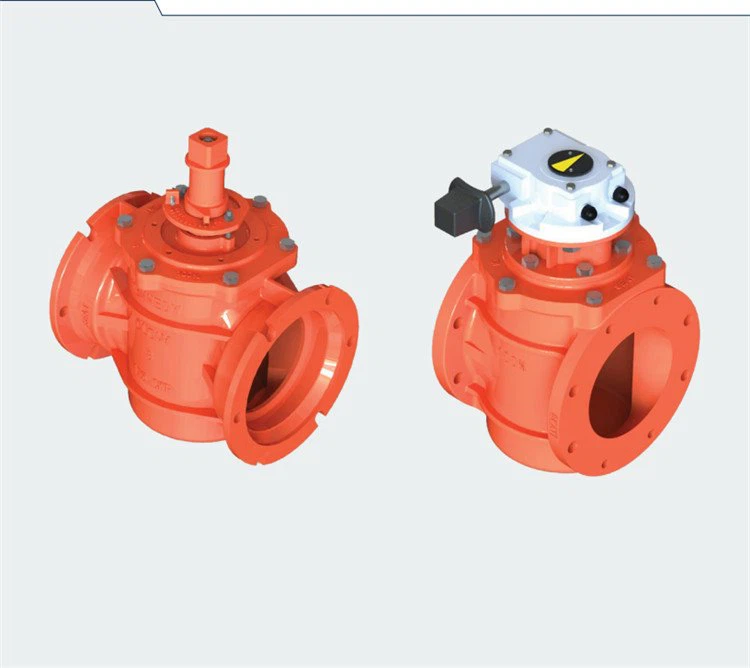
API PLUG Valves are designed to control the flow of fluids, such as liquids or gases, in a pipeline. They consist of a cylindrical or conical plug with a passageway through it. When the plug is rotated, the passageway aligns with the pipeline, allowing the fluid to flow. By changing the position of the plug, the flow rate can be adjusted.
These valves are known for their durability, reliability, and tight shut - off capabilities. They are commonly used in industries such as oil and gas, chemical processing, and power generation. Different types of API PLUG Valves are available, including Metal To Metal Seat PLUG Valve, Jacketed Three - Way PLUG Valve (GABX44F), and Eccentricl PLUG Valve, each with its own unique features and applications.
Tools Required for Flow Rate Adjustment
Before attempting to adjust the flow rate of an API PLUG Valve, you'll need a few essential tools. These typically include a wrench or a valve actuator, depending on the type of valve. A wrench is used for manual valves, while an actuator can be used for automated valves. You may also need a pressure gauge and a flow meter to accurately measure the pressure and flow rate in the pipeline.
Step - by - Step Guide to Adjusting the Flow Rate
- Safety First
Before starting any work on the valve, ensure that the system is shut down and depressurized. This will prevent any potential accidents or injuries. Wear appropriate personal protective equipment (PPE), such as safety glasses and gloves. - Locate the Valve and Assess the Situation
Find the API PLUG Valve in the pipeline. Check for any visible signs of damage or wear, such as leaks or corrosion. If there are any issues, address them before proceeding with the flow rate adjustment. - Understand the Valve's Positioning
The position of the plug in the valve determines the flow rate. A fully open position allows maximum flow, while a fully closed position stops the flow completely. The flow rate can be adjusted by rotating the plug to an intermediate position. - Manual Adjustment (for Manual Valves)
If you're using a manual API PLUG Valve, use a wrench to turn the valve stem. Rotate the stem slowly in the appropriate direction (usually clockwise to close and counter - clockwise to open). As you turn the stem, monitor the flow rate using a flow meter. Make small adjustments and wait for the system to stabilize before taking another reading. - Automated Adjustment (for Valves with Actuators)
For valves equipped with actuators, you can use a control system to adjust the flow rate. The control system can be programmed to set the desired flow rate based on the process requirements. The actuator will then automatically position the plug to achieve the set flow rate. - Fine - Tuning the Flow Rate
Once you've made an initial adjustment, fine - tune the flow rate by making small additional changes. Continuously monitor the pressure and flow rate using the pressure gauge and flow meter. Aim for a stable and consistent flow rate that meets the requirements of your process. - Verification and Documentation
After adjusting the flow rate, verify that the valve is operating correctly and that the flow rate is within the desired range. Document the adjustment, including the initial and final flow rates, the valve position, and any other relevant information. This documentation will be useful for future reference and maintenance.
Factors Affecting Flow Rate Adjustment
Several factors can affect the ability to adjust the flow rate of an API PLUG Valve. These include:
- Fluid Properties: The viscosity, density, and temperature of the fluid can impact the flow rate. For example, a more viscous fluid may require a larger opening in the valve to achieve the same flow rate as a less viscous fluid.
- Pipeline Conditions: The diameter, length, and roughness of the pipeline can also affect the flow rate. A longer or narrower pipeline may result in a higher pressure drop, which can influence the valve's performance.
- Valve Size and Type: Different valve sizes and types have different flow characteristics. A larger valve may be able to handle a higher flow rate than a smaller valve, and the type of valve (e.g., metal - to - metal seat or jacketed) can also affect the flow control.
Troubleshooting Flow Rate Adjustment Issues
If you encounter problems while adjusting the flow rate of an API PLUG Valve, here are some common issues and solutions:
- Inadequate Flow Adjustment: If you're unable to achieve the desired flow rate, check for blockages in the pipeline or valve. Clean the valve and remove any debris that may be obstructing the flow.
- Leakage: Leakage can occur if the valve is not properly seated or if there is damage to the sealing surfaces. Inspect the valve for leaks and replace any damaged parts as necessary.
- Erratic Flow: Erratic flow may be caused by a malfunctioning actuator or a problem with the control system. Check the actuator and control system for faults and repair or replace any defective components.
Importance of Proper Flow Rate Adjustment
Proper flow rate adjustment is crucial for the efficient and safe operation of industrial processes. Incorrect flow rates can lead to a variety of problems, such as reduced product quality, increased energy consumption, and equipment damage. By ensuring that the API PLUG Valve is adjusted correctly, you can optimize the performance of your system and avoid costly downtime.
Conclusion
Adjusting the flow rate of an API PLUG Valve is a precise and important task. By following the steps outlined in this blog, understanding the factors that affect flow rate adjustment, and troubleshooting any issues that may arise, you can ensure that your valve operates effectively and efficiently. As a trusted supplier of API PLUG Valves, we are committed to providing high - quality products and expert support to help you achieve optimal performance in your industrial processes.
If you're interested in purchasing API PLUG Valves or need further assistance with flow rate adjustment or valve selection, we invite you to contact us for a detailed discussion. Our team of experts is ready to help you find the right solutions for your specific needs.

References
- API (American Petroleum Institute) standards related to plug valves.
- Industrial valve textbooks and manuals on valve operation and maintenance.
- Manufacturer's documentation for API PLUG Valves.