


As a supplier of ASME B16.5 RTJ flanges, ensuring the long - term reliability of these products is not only our responsibility but also crucial for our customers' operations. In this blog, I will share some key aspects and strategies to guarantee the long - term reliability of ASME B16.5 RTJ flanges.
Material Selection
The first and foremost step in ensuring the long - term reliability of ASME B16.5 RTJ flanges is proper material selection. Different applications require different materials based on factors such as the nature of the fluid or gas being transported, temperature, and pressure.
For example, in high - pressure and high - temperature applications, materials like stainless steel (such as 304, 316) are often preferred. Stainless steel offers excellent corrosion resistance and mechanical strength. It can withstand harsh chemical environments and extreme operating conditions without significant degradation. In addition to stainless steel, carbon steel is also a common choice for many general - purpose applications. Carbon steel flanges are cost - effective and have good mechanical properties. However, they may require proper coating or protection in corrosive environments.
When selecting materials, it is essential to comply with the ASME B16.5 standard. This standard specifies the acceptable materials and their properties for RTJ flanges. By using materials that meet the standard requirements, we can ensure the basic quality and reliability of the flanges.
Manufacturing Process
The manufacturing process of ASME B16.5 RTJ flanges plays a vital role in their long - term reliability. Precision machining is necessary to ensure that the flanges have accurate dimensions and smooth surfaces. Any deviation in dimensions can lead to improper sealing and potential leakage.
The RTJ (Ring Type Joint) design requires precise machining of the groove where the ring gasket is seated. The groove dimensions must be within the tolerance specified by the ASME B16.5 standard. High - quality machining equipment and skilled operators are essential to achieve the required precision.
Heat treatment is another important aspect of the manufacturing process. Heat treatment can improve the mechanical properties of the flanges, such as hardness, toughness, and strength. For example, quenching and tempering can enhance the strength and toughness of carbon steel flanges, making them more resistant to deformation and cracking under high - stress conditions.
In addition, non - destructive testing (NDT) methods should be used during the manufacturing process to detect any internal defects in the flanges. Methods such as ultrasonic testing, magnetic particle testing, and radiographic testing can help identify cracks, porosity, or other flaws that may affect the long - term reliability of the flanges.
Installation and Maintenance
Proper installation is crucial for the long - term reliability of ASME B16.5 RTJ flanges. During installation, it is important to ensure that the flanges are properly aligned and tightened. Misalignment can cause uneven stress distribution on the gasket, leading to premature gasket failure and leakage.
The tightening torque of the bolts should be carefully controlled according to the manufacturer's recommendations and the ASME B16.5 standard. Over - tightening or under - tightening the bolts can both have negative impacts on the sealing performance of the flanges.
Regular maintenance is also necessary to ensure the long - term reliability of the flanges. Inspections should be carried out periodically to check for signs of corrosion, wear, or damage. If any issues are detected, appropriate measures should be taken promptly, such as replacing the gasket or repairing the flange surface.
In addition, the operating environment should be monitored. If the temperature, pressure, or chemical composition of the fluid or gas being transported changes significantly, it may affect the performance of the flanges. In such cases, the flanges may need to be re - evaluated and potentially replaced or modified.
Quality Control
As a supplier, we implement a strict quality control system to ensure the long - term reliability of our ASME B16.5 RTJ flanges. Our quality control process starts from the raw material inspection. We carefully check the quality certificates and properties of the raw materials to ensure that they meet the ASME B16.5 standard requirements.
During the manufacturing process, in - process inspections are carried out at various stages to monitor the quality of the flanges. This includes dimensional inspections, surface finish inspections, and NDT testing. Only when the flanges pass all the inspections can they proceed to the next manufacturing step.
After the manufacturing is completed, a final inspection is conducted. The flanges are inspected for overall quality, including appearance, dimensions, and performance. We also perform pressure testing to ensure that the flanges can withstand the specified pressure without leakage.
Compatibility with Other Components
ASME B16.5 RTJ flanges need to be compatible with other components in the piping system, such as gaskets, bolts, and pipes. The selection of gaskets is particularly important. The gasket material should be compatible with the fluid or gas being transported and the operating conditions. For example, in high - temperature applications, graphite - based gaskets may be a good choice due to their excellent heat resistance.
The bolts used to connect the flanges should also be of the appropriate material and strength. They need to be able to withstand the tightening force and the stress generated during operation. In addition, the pipes connected to the flanges should have the correct diameter and wall thickness to ensure proper alignment and connection.

Product Innovation and Improvement
To continuously improve the long - term reliability of ASME B16.5 RTJ flanges, we are committed to product innovation. We invest in research and development to explore new materials, manufacturing processes, and designs. For example, we are researching new coating technologies that can further enhance the corrosion resistance of the flanges.
We also listen to our customers' feedback and suggestions. By understanding their actual needs and challenges in using our flanges, we can make targeted improvements to our products. This customer - centric approach helps us to develop more reliable and high - performance flanges.
Conclusion
Ensuring the long - term reliability of ASME B16.5 RTJ flanges requires a comprehensive approach that covers material selection, manufacturing process, installation, maintenance, quality control, compatibility with other components, and product innovation. As a professional supplier, we are dedicated to providing high - quality flanges that meet the strict requirements of the ASME B16.5 standard.
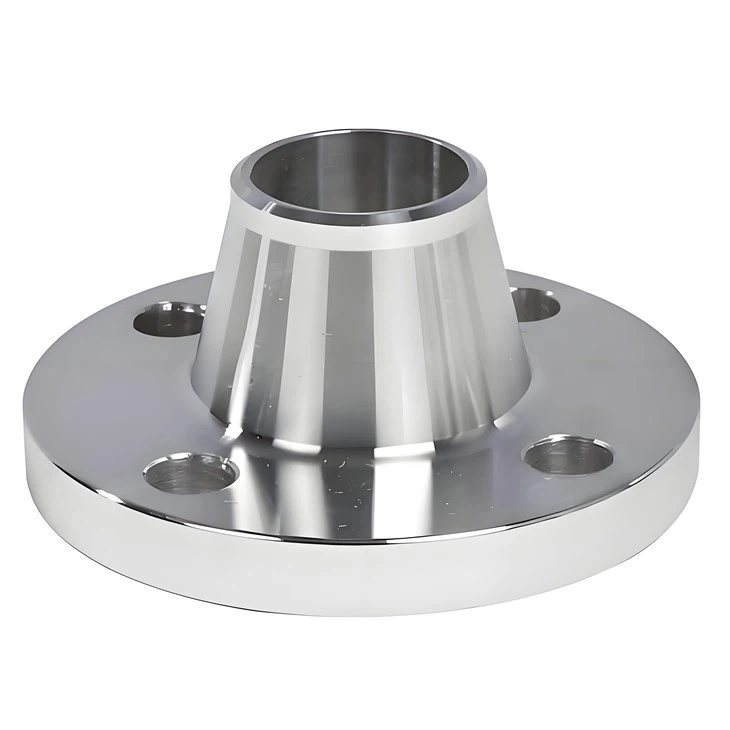
If you are interested in our RF Flange NPS 1/2~NPS24, ASME B16.5 RTJ or Weld Neck Flange products, or if you have any questions about flange reliability and application, please feel free to contact us for procurement discussions. We are here to provide you with the best solutions and high - quality products.
References
- ASME B16.5 Standard for Pipe Flanges and Flanged Fittings
- Various industry research reports on flange manufacturing and application