


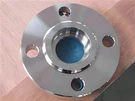


As a supplier of ASME B16.5 RF flanges, I understand the importance of evaluating the quality of these products from different manufacturers. In the highly competitive market of industrial components, ensuring the quality of ASME B16.5 RF flanges is crucial for both suppliers and end - users. This blog aims to provide a comprehensive guide on how to assess the quality of these flanges from various manufacturers.
1. Understanding ASME B16.5 RF Flanges
Before diving into the evaluation process, it's essential to have a clear understanding of what ASME B16.5 RF flanges are. The ASME B16.5 RF standard defines a series of pipe flanges and flanged fittings. The "RF" stands for Raised Face, which is a common type of flange face used to create a seal between two flanges. These flanges are widely used in various industries, such as oil and gas, chemical, and power generation, due to their reliability and ease of installation.
2. Material Quality
The quality of the material used in the manufacturing of ASME B16.5 RF flanges is the foundation of their overall quality.
2.1 Material Grade
Manufacturers should use materials that meet the requirements of the ASME B16.5 standard. Common materials include carbon steel, stainless steel, and alloy steel. For example, carbon steel flanges are often used in general - purpose applications, while stainless steel flanges are preferred in corrosive environments. A reliable manufacturer will provide material certificates that clearly state the material grade and its chemical composition. These certificates can be verified through independent third - party testing if necessary.
2.2 Material Inspection
Inspecting the material for defects is also crucial. Visual inspection can reveal surface cracks, porosity, or other visible flaws. For a more in - depth assessment, non - destructive testing methods such as ultrasonic testing (UT), magnetic particle testing (MT), or radiographic testing (RT) can be used. These tests can detect internal defects that are not visible to the naked eye, ensuring the integrity of the material.
3. Dimensional Accuracy
Accurate dimensions are essential for the proper functioning of ASME B16.5 RF flanges.
3.1 Diameter and Thickness
The outside diameter, inside diameter, and thickness of the flange must conform to the ASME B16.5 standard. Any deviation from the specified dimensions can lead to installation problems and potential leakage. A high - quality manufacturer will use precision machining equipment to ensure that the dimensions are within the tolerance limits. Regular dimensional inspections during the manufacturing process can help maintain the accuracy.
3.2 Bolt Hole Spacing and Size
The bolt hole spacing and size are also critical factors. Incorrect bolt hole spacing can make it difficult to align the flanges during installation, while improper bolt hole size can lead to loose or overtightened bolts. The manufacturer should have strict quality control measures in place to ensure that the bolt holes are drilled accurately.
4. Surface Finish
The surface finish of ASME B16.5 RF flanges can affect their performance and appearance.
4.1 Raised Face Finish
The raised face of the flange should have a smooth and uniform finish. A rough surface can cause leakage at the flange joint. The surface roughness is typically specified in the ASME B16.5 standard, and a good manufacturer will ensure that the raised face finish meets these requirements.
4.2 Overall Surface Condition
The overall surface of the flange should be free from rust, scale, and other contaminants. A proper coating or surface treatment can be applied to protect the flange from corrosion and improve its appearance. The manufacturer should provide information on the surface treatment process and its effectiveness.
5. Manufacturing Process
The manufacturing process used by the manufacturer has a significant impact on the quality of the ASME B16.5 RF flanges.
5.1 Forging vs. Casting
Forged flanges are generally considered to have better mechanical properties than cast flanges. Forging involves shaping the metal under high pressure, which aligns the grain structure and improves the strength and toughness of the flange. Casting, on the other hand, is a process of pouring molten metal into a mold. While casting can be more cost - effective, it may result in internal defects such as porosity. A high - quality manufacturer will use forging for critical applications and provide clear information on the manufacturing method used.


5.2 Heat Treatment
Heat treatment is an important step in the manufacturing process. It can improve the mechanical properties of the flange, such as hardness, strength, and ductility. The manufacturer should follow the appropriate heat treatment procedures and provide records of the heat treatment process, including the temperature, time, and cooling rate.
6. Quality Control System
A reliable manufacturer should have a well - established quality control system.
6.1 In - house Inspection
The manufacturer should conduct in - house inspections at various stages of the manufacturing process. This includes raw material inspection, in - process inspection, and final product inspection. The inspection results should be documented and available for review.
6.2 Third - party Certification
Obtaining third - party certifications, such as ISO 9001, can be a sign of a manufacturer's commitment to quality. These certifications indicate that the manufacturer has a quality management system in place that meets international standards. Additionally, some industries may require specific certifications, such as API (American Petroleum Institute) certification for flanges used in the oil and gas industry.
7. Comparison with Other Flange Types
It's also beneficial to compare ASME B16.5 RF flanges with other similar flange types, such as ASME B16.5 RTJ and ASME B16.47 RF.
7.1 ASME B16.5 RTJ
The RTJ (Ring Type Joint) flanges have a different sealing mechanism compared to RF flanges. RTJ flanges use a metal ring gasket to create a seal, which is more suitable for high - pressure and high - temperature applications. Understanding the differences between ASME B16.5 RF and RTJ flanges can help in evaluating whether a manufacturer can produce high - quality products for different requirements.
7.2 ASME B16.47 RF
ASME B16.47 RF flanges are large - diameter flanges. They have different dimensional requirements and are often used in applications where large - diameter pipes are involved. Comparing the manufacturing quality of ASME B16.5 RF flanges with ASME B16.47 RF flanges can give an indication of the manufacturer's ability to handle different flange sizes and specifications.
8. Supplier Reputation and Experience
The reputation and experience of the manufacturer are also important factors in evaluating the quality of ASME B16.5 RF flanges.
8.1 Customer Reviews
Reading customer reviews and testimonials can provide valuable insights into the manufacturer's product quality and service. Positive reviews from satisfied customers are a good sign, while negative reviews should be carefully considered and investigated.
8.2 Industry Experience
A manufacturer with extensive industry experience is more likely to have a better understanding of the requirements and challenges in producing high - quality ASME B16.5 RF flanges. They are also more likely to have established relationships with reliable material suppliers and have a proven track record of delivering quality products on time.
Conclusion
Evaluating the quality of ASME B16.5 RF flanges from different manufacturers requires a comprehensive approach. By considering factors such as material quality, dimensional accuracy, surface finish, manufacturing process, quality control system, and supplier reputation, you can make an informed decision when choosing a manufacturer. As a supplier of ASME B16.5 RF flanges, I am committed to providing high - quality products that meet the strictest industry standards. If you are in the market for these flanges, I encourage you to contact me for a detailed discussion on your specific requirements and to explore the possibilities of a successful procurement partnership.
References
- ASME B16.5 Standard
- API Standards for Flanges
- ISO 9001 Quality Management System Standard