



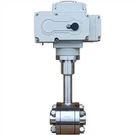
Hey there! As a supplier of DIB Ball Valves, I've seen firsthand the challenges that come with using these valves in cold environments. One of the most common issues is the freezing of the valve, which can lead to all sorts of problems, from reduced performance to complete failure. In this blog post, I'm going to share some tips on how to prevent the freezing of a DIB Ball Valve in cold environments.
Understanding the Problem
Before we dive into the solutions, let's first understand why DIB Ball Valves freeze in cold environments. The main culprit is water. When water gets inside the valve and the temperature drops below freezing, it expands and can cause damage to the valve components. This can lead to leaks, blockages, and other issues.


Another factor that can contribute to freezing is poor insulation. If the valve is not properly insulated, it will be more exposed to the cold temperatures, increasing the risk of freezing.
Preventive Measures
1. Proper Installation
The first step in preventing the freezing of a DIB Ball Valve is to ensure proper installation. This includes making sure that the valve is installed in a location that is protected from the elements. Avoid installing the valve in areas where it will be exposed to direct cold winds or where water can accumulate.
Also, make sure that the valve is installed with the correct orientation. Some DIB Ball Valves have specific installation requirements, so it's important to follow the manufacturer's instructions carefully.
2. Insulation
Insulating the DIB Ball Valve is one of the most effective ways to prevent freezing. There are several types of insulation materials available, such as foam insulation, fiberglass insulation, and rubber insulation. Choose an insulation material that is suitable for the temperature range and the environment in which the valve will be used.
Wrap the insulation around the valve body and any exposed pipes. Make sure that the insulation is tight and there are no gaps where cold air can penetrate. You can also use insulation tape to seal the edges of the insulation.
3. Heat Tracing
Heat tracing is another option for preventing the freezing of a DIB Ball Valve. Heat tracing involves installing a heating element along the valve and the pipes. The heating element provides a constant source of heat, which helps to keep the water inside the valve from freezing.
There are different types of heat tracing systems available, such as self-regulating heat tracing and constant wattage heat tracing. Self-regulating heat tracing is more energy-efficient as it adjusts the heat output based on the temperature.
When installing heat tracing, make sure to follow the manufacturer's instructions carefully. Improper installation can lead to overheating or other safety issues.
4. Drainage
Proper drainage is essential to prevent water from accumulating inside the DIB Ball Valve. Make sure that the valve and the pipes are sloped correctly to allow water to drain away. You can also install drain valves at low points in the system to remove any excess water.
Regularly check the drain valves to make sure they are working properly. If you notice any signs of water accumulation, such as rust or corrosion, take immediate action to address the issue.
5. Maintenance
Regular maintenance is crucial for preventing the freezing of a DIB Ball Valve. This includes inspecting the valve regularly for any signs of damage or wear. Check the insulation and heat tracing systems to make sure they are in good condition.
Clean the valve regularly to remove any dirt, debris, or ice that may have accumulated. Lubricate the valve components as recommended by the manufacturer to ensure smooth operation.
Comparing with Other Types of Valves
It's worth mentioning that different types of valves have different susceptibility to freezing. For example, a DIB Ball Valve has its own characteristics compared to a DBB Ball Valve or a Cast Trunnion Ball Valve.
A DIB Ball Valve, or Double Isolation and Bleed Ball Valve, provides a high level of isolation and is often used in critical applications. However, like any valve, it needs proper protection in cold environments. A DBB Ball Valve, or Double Block and Bleed Ball Valve, also offers good isolation but may have different installation and maintenance requirements. A Cast Trunnion Ball Valve is known for its durability but can still face freezing issues if not properly protected.
Conclusion
Preventing the freezing of a DIB Ball Valve in cold environments requires a combination of proper installation, insulation, heat tracing, drainage, and maintenance. By following these tips, you can ensure that your DIB Ball Valve operates smoothly and efficiently even in the coldest of conditions.
If you're in the market for a high-quality DIB Ball Valve or need more information on how to prevent freezing, don't hesitate to reach out. We're here to help you make the right choice and ensure that your valve performs at its best.
References
- Valve Handbook, Various Editions
- Manufacturer's Installation and Maintenance Guides for DIB Ball Valves