


Hey there! As a supplier of Globe Valves, I've seen my fair share of issues with these valves, and one of the most common problems is vibration. Vibration in globe valves can lead to a whole bunch of headaches, like premature wear and tear, noise pollution, and even potential safety hazards. So, in this blog post, I'm gonna share some tips on how to reduce the vibration of a globe valve.
Understanding the Causes of Vibration
Before we dive into the solutions, it's important to understand what causes vibration in globe valves. There are several factors that can contribute to this issue:
- Fluid Flow Turbulence: When the fluid flowing through the valve is turbulent, it can create pressure fluctuations that cause the valve to vibrate. This can happen when the flow rate is too high, the fluid has a high viscosity, or there are obstructions in the pipeline.
- Improper Installation: If the valve is not installed correctly, it can lead to misalignment, which can cause vibration. This can happen if the valve is not centered properly, the bolts are not tightened evenly, or the pipeline is not supported correctly.
- Mechanical Resonance: Every object has a natural frequency at which it vibrates. If the frequency of the fluid flow or the vibration from other equipment in the system matches the natural frequency of the valve, it can cause resonance, which can amplify the vibration.
- Worn or Damaged Components: Over time, the components of the valve can wear out or become damaged, which can cause vibration. This can happen if the valve is used in a harsh environment, the fluid contains abrasive particles, or the valve is not maintained properly.
Tips to Reduce Vibration
Now that we understand the causes of vibration, let's look at some tips on how to reduce it:
1. Optimize Fluid Flow
- Control Flow Rate: One of the most effective ways to reduce vibration is to control the flow rate of the fluid. You can do this by adjusting the valve opening or using a flow control device. By reducing the flow rate, you can reduce the turbulence and pressure fluctuations in the valve.
- Choose the Right Valve Size: Using the right size valve for your application is crucial. If the valve is too small, it can cause high flow velocities and turbulence, which can lead to vibration. On the other hand, if the valve is too large, it can cause the fluid to flow slowly, which can also lead to problems. Make sure to consult with a valve expert to determine the appropriate valve size for your needs.
- Use a Diffuser or Flow Straightener: A diffuser or flow straightener can help to reduce turbulence and pressure fluctuations in the valve. These devices are installed upstream of the valve and are designed to smooth out the flow of the fluid. By reducing the turbulence, you can reduce the vibration in the valve.
2. Ensure Proper Installation
- Follow Installation Guidelines: Make sure to follow the manufacturer's installation guidelines carefully. This includes properly centering the valve, tightening the bolts evenly, and supporting the pipeline correctly. By following these guidelines, you can ensure that the valve is installed correctly and that there is no misalignment, which can cause vibration.
- Use Gaskets and Seals: Using high-quality gaskets and seals can help to prevent leaks and reduce vibration. Make sure to choose gaskets and seals that are compatible with the fluid and the operating conditions of the valve.
- Check for Pipe Stress: Pipe stress can cause misalignment and vibration in the valve. Make sure to check for pipe stress during the installation process and take steps to correct it if necessary. This may include using expansion joints or supports to relieve the stress on the pipeline.
3. Avoid Mechanical Resonance
- Determine the Natural Frequency: You can determine the natural frequency of the valve by using a vibration analysis tool. Once you know the natural frequency, you can take steps to avoid it. This may include changing the flow rate, adjusting the valve opening, or using a damper to absorb the vibration.
- Isolate the Valve: If possible, isolate the valve from other equipment in the system that may be causing vibration. This can help to reduce the risk of resonance and minimize the vibration in the valve.
- Use a Tuned Mass Damper: A tuned mass damper is a device that is designed to absorb the vibration and reduce the amplitude of the resonance. This device can be installed on the valve or on the pipeline to help reduce the vibration.
4. Maintain the Valve Regularly
- Inspect the Valve: Regularly inspect the valve for signs of wear and damage. This includes checking the valve seat, the stem, the packing, and the actuator. If you notice any signs of wear or damage, replace the components as soon as possible to prevent further problems.
- Lubricate the Valve: Lubricating the valve can help to reduce friction and wear, which can also help to reduce vibration. Make sure to use the appropriate lubricant for the valve and follow the manufacturer's recommendations for lubrication.
- Clean the Valve: Cleaning the valve regularly can help to remove any dirt, debris, or corrosion that may be causing the vibration. Make sure to use a cleaning solution that is compatible with the valve and the fluid.
Our Globe Valve Products
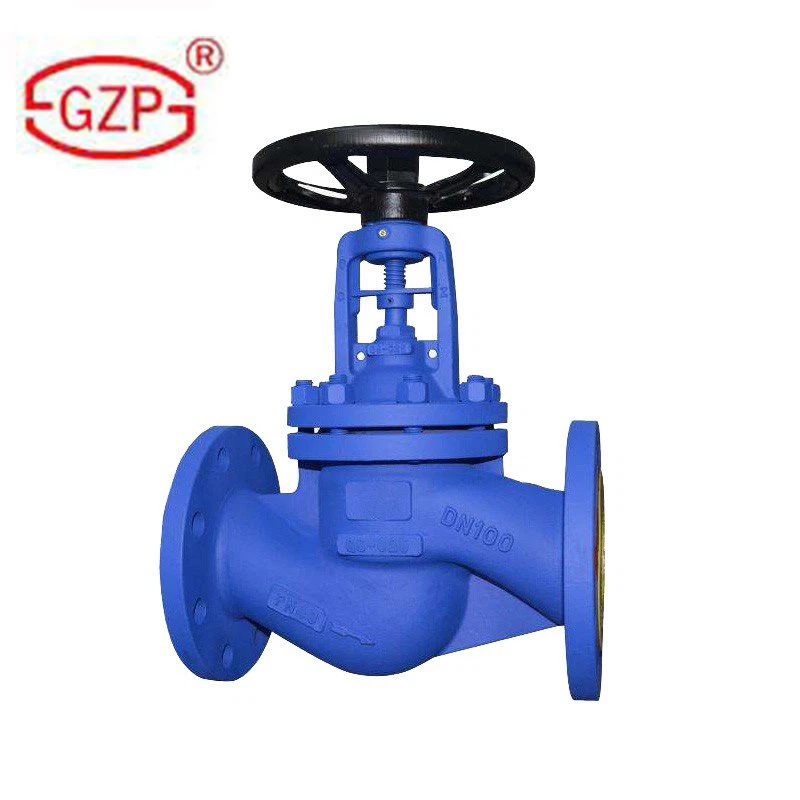
At our company, we offer a wide range of Globe Valve products to meet your needs. Our valves are designed and manufactured to the highest standards of quality and reliability, and we offer a variety of options to choose from, including DIN Globe Valve and Socket Weld Globe Valve.
If you're experiencing vibration issues with your globe valve, or if you're looking for a high-quality valve for your application, we'd love to hear from you. Our team of experts can help you choose the right valve for your needs and provide you with the support and guidance you need to ensure its proper installation and maintenance.

Conclusion
Vibration in globe valves can be a serious problem, but it doesn't have to be. By understanding the causes of vibration and taking steps to reduce it, you can ensure the reliable operation of your valve and prevent costly downtime and repairs. If you have any questions or need further assistance, please don't hesitate to contact us. We're here to help you find the best solution for your needs.
References
- Valve Handbook, by Robert W. Daugherty
- Fluid Mechanics, by Frank M. White
- Vibration Analysis for Engineers, by Harry E. Merritt