




Hey there! As a supplier of ASME B16.5 RTJ flanges, I've dealt with all sorts of questions from customers about selecting the right flange. It can be a real headache if you're not sure what you're looking for. But don't worry; I'm here to walk you through the process.
First off, let's talk about what ASME B16.5 RTJ stands for. ASME is the American Society of Mechanical Engineers, and B16.5 is a standard that covers pipe flanges and flanged fittings. RTJ means Ring Type Joint, which is a type of flange joint that uses a metal ring gasket to create a tight seal. It's commonly used in high-pressure and high-temperature applications, like in the oil and gas industry.
Understanding Your Application
The first step in selecting the correct ASME B16.5 RTJ flange is to understand your application. What kind of fluid or gas are you dealing with? What are the pressure and temperature conditions? These are crucial questions because they'll determine the material and size of the flange you need.
For example, if you're working with a corrosive fluid, you'll want to choose a flange made from a material that can withstand corrosion, like stainless steel. On the other hand, if you're dealing with high-pressure steam, you'll need a flange that can handle the pressure without leaking.
Material Selection
When it comes to material selection, there are several options available. The most common materials for ASME B16.5 RTJ flanges are carbon steel, stainless steel, and alloy steel.
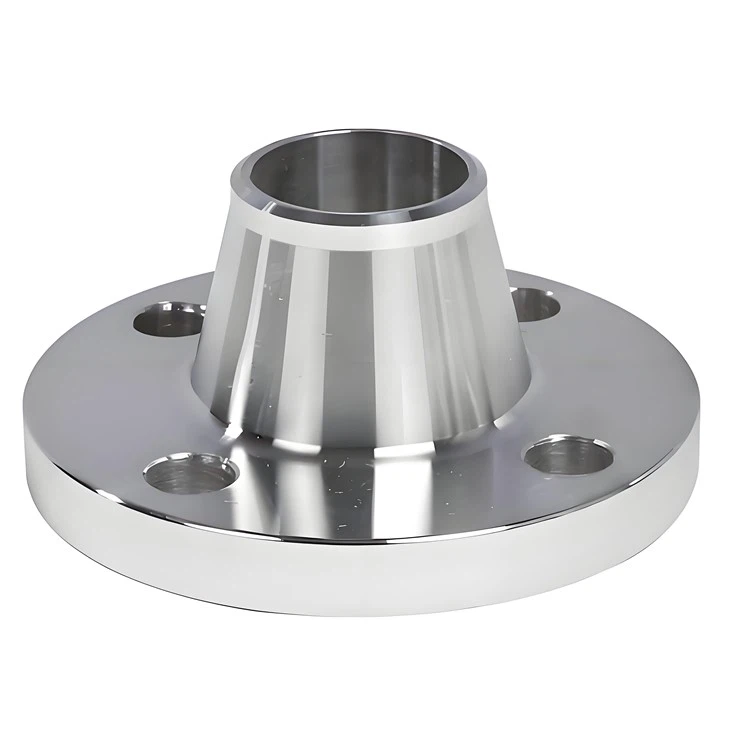

- Carbon Steel: This is a popular choice because it's relatively inexpensive and has good strength. However, it's not suitable for corrosive environments.
- Stainless Steel: Stainless steel is corrosion-resistant and has a high strength-to-weight ratio. It's a great choice for applications where corrosion is a concern, but it can be more expensive than carbon steel.
- Alloy Steel: Alloy steel is made by adding other elements to carbon steel to improve its properties. It's often used in high-temperature and high-pressure applications because it can withstand extreme conditions.
Size and Rating
The size and rating of the flange are also important factors to consider. The size of the flange is determined by the nominal pipe size (NPS), which is a standardized measurement for pipes. The rating of the flange refers to its pressure and temperature capabilities.
ASME B16.5 specifies several flange ratings, including 150, 300, 400, 600, 900, 1500, and 2500. The higher the rating, the more pressure and temperature the flange can handle. When selecting a flange, make sure you choose one with a rating that's appropriate for your application.
Facing Type
In addition to the material, size, and rating, you also need to consider the facing type of the flange. The facing type refers to the surface finish of the flange where the gasket sits. There are several facing types available for ASME B16.5 RTJ flanges, including:
- Ring Type Joint (RTJ): This is the most common facing type for ASME B16.5 RTJ flanges. It uses a metal ring gasket that fits into a groove on the flange face to create a tight seal.
- Raised Face (RF): This facing type has a raised surface around the bolt holes to provide a larger sealing area. It's commonly used in low-pressure applications.
- Flat Face (FF): This facing type has a flat surface with no raised area. It's often used in applications where the mating flange has a flat face.
Installation and Maintenance
Once you've selected the correct ASME B16.5 RTJ flange, it's important to install and maintain it properly. Improper installation can lead to leaks and other problems, while regular maintenance can help extend the life of the flange.
When installing the flange, make sure you follow the manufacturer's instructions carefully. Use the correct bolts and gaskets, and tighten the bolts to the specified torque. Also, make sure the flange faces are clean and free of debris before installing the gasket.
To maintain the flange, regularly inspect it for signs of wear and tear. Check the bolts for tightness and replace any damaged or worn gaskets. If you notice any leaks or other problems, address them immediately to prevent further damage.
Conclusion
Selecting the correct ASME B16.5 RTJ flange is crucial for ensuring the safety and reliability of your piping system. By understanding your application, choosing the right material, size, and rating, and considering the facing type, you can make an informed decision and select the flange that's best suited for your needs.
If you're still unsure about which ASME B16.5 RTJ flange to choose, don't hesitate to reach out to us. As a supplier of ASME B16.5 RTJ flanges, we have the expertise and experience to help you find the right flange for your application. We offer a wide range of flanges in different materials, sizes, and ratings, so you're sure to find what you need.
Moreover, if you want to know more about related products, you can check out these links: Weld Neck Flange, RF Flange NPS 26~NPS60, and ASME B16.5 RTJ.
- ASME B16.5 Standard for Pipe Flanges and Flanged Fittings
- Manufacturer's product catalogs for ASME B16.5 RTJ flanges