


Selecting the right ASME B16.47 RF (Raised Face) flange for a project is a critical decision that can significantly impact the safety, efficiency, and longevity of your piping system. As a trusted ASME B16.47 RF flange supplier, I understand the complexities involved in this process and am here to guide you through the key considerations.
Understanding ASME B16.47 RF Flanges
ASME B16.47 is a standard that covers large diameter steel flanges, specifically NPS 26 through NPS 60. These flanges are designed for use in various industries, including oil and gas, petrochemical, power generation, and more. The RF designation indicates a raised face, which provides a larger sealing surface compared to a flat face flange, enhancing the sealing performance when used with a gasket.
Key Considerations for Selection
1. Size and Pressure Rating
The first step in selecting the right flange is to determine the appropriate size and pressure rating. The size is typically specified by the nominal pipe size (NPS), which corresponds to the approximate inside diameter of the pipe. For ASME B16.47 flanges, the sizes range from NPS 26 to NPS 60. You can find more information about RF Flange NPS 26~NPS60.
The pressure rating, on the other hand, indicates the maximum pressure that the flange can withstand at a given temperature. Common pressure ratings for ASME B16.47 flanges include Class 75, Class 150, Class 300, and Class 600. It is crucial to select a flange with a pressure rating that exceeds the maximum operating pressure of your system to ensure safety.
2. Material Selection
The material of the flange is another important consideration. The choice of material depends on several factors, including the type of fluid or gas being transported, the operating temperature and pressure, and the corrosive environment. Common materials for ASME B16.47 RF flanges include carbon steel, stainless steel, and alloy steel.
Carbon steel flanges are widely used due to their low cost and good mechanical properties. They are suitable for most general-purpose applications where the operating conditions are not too severe. Stainless steel flanges, on the other hand, offer excellent corrosion resistance and are ideal for applications involving corrosive fluids or gases. Alloy steel flanges are used in high-temperature and high-pressure applications where additional strength and durability are required.
3. End Connection Type
ASME B16.47 RF flanges are available in different end connection types, including weld neck, slip-on, blind, and threaded. The choice of end connection type depends on the specific requirements of your project.

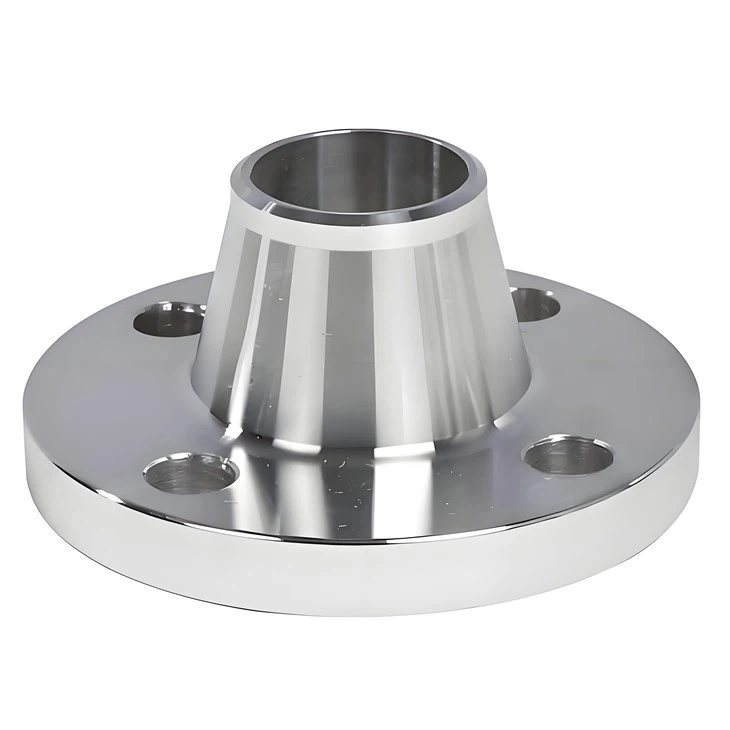
- Weld Neck Flange: Weld neck flanges are the most common type of flange used in high-pressure and high-temperature applications. They have a long tapered hub that provides additional strength and reduces stress concentration at the weld joint. You can learn more about Weld Neck Flange.
- Slip-On Flange: Slip-on flanges are easy to install and are commonly used in low-pressure applications. They are slipped over the pipe and then welded in place.
- Blind Flange: Blind flanges are used to close the end of a pipe or vessel. They are typically used for maintenance or testing purposes.
- Threaded Flange: Threaded flanges are used in applications where the pipe cannot be welded. They are screwed onto the pipe and are suitable for low-pressure applications.
4. Gasket Compatibility
The gasket is an essential component of the flange joint, as it provides a seal between the flanges and prevents leakage. When selecting a flange, it is important to ensure that it is compatible with the gasket material. Common gasket materials include rubber, cork, asbestos, and metal.
The choice of gasket material depends on several factors, including the type of fluid or gas being transported, the operating temperature and pressure, and the chemical compatibility with the flange material. It is recommended to consult with a gasket manufacturer or supplier to select the appropriate gasket material for your application.
5. Industry Standards and Codes
Compliance with industry standards and codes is crucial when selecting ASME B16.47 RF flanges. In addition to ASME B16.47, other relevant standards and codes include API 6A, ANSI B16.5, and ASTM. These standards specify the design, manufacturing, testing, and inspection requirements for flanges and ensure their quality and reliability.
When purchasing flanges, it is important to ensure that they are manufactured in accordance with the relevant standards and codes. Look for flanges that are certified by a recognized third-party testing agency, such as the American Society of Mechanical Engineers (ASME) or the American Petroleum Institute (API).
Additional Considerations
1. Cost
Cost is always a consideration when selecting flanges for a project. While it is important to choose high-quality flanges that meet your requirements, it is also important to consider the cost. Compare the prices of different flanges from different suppliers to get the best value for your money.
2. Lead Time
The lead time is the time it takes for the supplier to manufacture and deliver the flanges. It is important to consider the lead time when planning your project, especially if you have a tight schedule. Look for a supplier who can provide a reasonable lead time and who can meet your delivery requirements.
3. Supplier Reputation
The reputation of the supplier is another important consideration. Look for a supplier who has a good track record of providing high-quality products and excellent customer service. You can check online reviews and testimonials from other customers to get an idea of the supplier's reputation.
Conclusion
Selecting the right ASME B16.47 RF flange for a project requires careful consideration of several factors, including size, pressure rating, material, end connection type, gasket compatibility, industry standards and codes, cost, lead time, and supplier reputation. By following these guidelines and working with a trusted supplier, you can ensure that you select the right flange for your project and avoid costly mistakes.
If you have any questions or need further assistance in selecting the right ASME B16.47 RF flange for your project, please do not hesitate to contact us. We are here to help you make the right decision and ensure the success of your project.
References
- ASME B16.47 - Large Diameter Steel Flanges
- API 6A - Specification for Wellhead and Christmas Tree Equipment
- ANSI B16.5 - Pipe Flanges and Flanged Fittings
- ASTM - American Society for Testing and Materials