



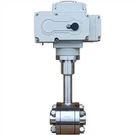
Hey there! As a supplier of API PLUG Valves, I've seen my fair share of blockage issues with these valves. In this blog, I'm gonna share some anti - blockage measures for API PLUG Valves.
Understanding the Problem
First off, let's understand why API PLUG Valves get blocked. These valves are used in various industries like oil and gas, chemical, and water treatment. The substances flowing through them can be pretty complex, including solids, viscous fluids, and even corrosive materials. Over time, these substances can build up inside the valve, leading to blockages.
Routine Maintenance
One of the most effective anti - blockage measures is routine maintenance. Regularly inspecting the valve can help you catch any early signs of blockage. You should check the valve body, the plug, and the sealing surfaces. Look for any signs of debris, buildup, or corrosion.
Cleaning the valve is also crucial. You can use appropriate cleaning agents depending on the type of substance that's likely to cause the blockage. For example, if it's a greasy buildup, a degreaser might do the trick. Make sure to follow the manufacturer's instructions when using cleaning agents to avoid damaging the valve.


Lubrication is another key part of maintenance. A well - lubricated valve operates smoothly and is less likely to get blocked. You can use high - quality lubricants recommended for API PLUG Valves. The lubricant not only reduces friction but also helps prevent the accumulation of debris. Check out our Lubricated PLUG Valve for a valve that's designed with proper lubrication in mind.
Choosing the Right Valve Design
The design of the valve plays a huge role in preventing blockages. For instance, a Pressure Balance Lubricated PLUG Valve is a great option. This type of valve uses a pressure - balanced design, which helps in reducing the force required to operate the valve. It also ensures a more even flow of the medium through the valve, minimizing the chances of blockage.
The Jacket PLUG Valve PTFE is another good choice. The PTFE lining in this valve provides a smooth surface, reducing the adhesion of substances and making it easier for the medium to flow through. It's especially useful when dealing with sticky or viscous materials.
Flow Control
Proper flow control is essential to prevent blockages. You need to make sure that the flow rate through the valve is within the recommended range. If the flow rate is too high, it can cause erosion and damage to the valve, which might lead to blockages in the long run. On the other hand, if the flow rate is too low, substances are more likely to settle and build up inside the valve.
Installing flow meters and control valves upstream of the API PLUG Valve can help you monitor and adjust the flow rate as needed. This way, you can maintain an optimal flow that reduces the risk of blockages.
Filtration
Using filters upstream of the valve is a smart move. Filters can trap solid particles and debris before they reach the valve. There are different types of filters available, such as mesh filters, cartridge filters, and bag filters. The type of filter you choose depends on the size of the particles you need to remove and the flow rate of the medium.
Regularly replacing or cleaning the filters is important. A clogged filter can restrict the flow and put extra stress on the valve, increasing the risk of blockage. Make sure to follow a proper filter maintenance schedule to keep the system running smoothly.
Training and Operator Awareness
Your operators play a vital role in preventing blockages. They should be properly trained on how to operate and maintain the API PLUG Valves. Training should include topics like valve inspection, cleaning, lubrication, and flow control.
Operators should also be aware of the signs of a potential blockage. For example, if they notice an increase in the operating force required to turn the valve, it could be a sign of a blockage. Encourage operators to report any abnormal behavior of the valve immediately so that the issue can be addressed before it gets worse.
Monitoring and Analytics
In today's digital age, monitoring and analytics can be very helpful in preventing blockages. You can install sensors on the valve to monitor parameters like pressure, temperature, and flow rate. These sensors can send real - time data to a control system, which can analyze the data to detect any potential issues.
Using analytics software, you can identify patterns and trends in the data. For example, if the pressure drop across the valve starts to increase gradually, it could indicate a developing blockage. By using this data - driven approach, you can take proactive measures to prevent blockages before they occur.
Conclusion
Preventing blockages in API PLUG Valves requires a combination of proper maintenance, choosing the right valve design, flow control, filtration, operator training, and monitoring. By implementing these anti - blockage measures, you can ensure the reliable and efficient operation of your valves.
If you're in the market for high - quality API PLUG Valves or need more information on how to prevent blockages, don't hesitate to reach out. We're here to help you find the best solutions for your specific needs. Let's start a conversation about your valve requirements and how we can work together to keep your systems running smoothly.
References
- Valve Handbook, various editions
- Industry standards for API PLUG Valves
- Manufacturer's manuals for API PLUG Valves