





What is the cost of a gate valve? This is a question that many customers often ask when they are in the market for gate valves. As a gate valve supplier, I am well - versed in the factors that influence the cost of these essential industrial components. In this blog, I will delve into the various elements that determine the price of a gate valve and provide you with a comprehensive understanding of what goes into the final cost.
1. Material Costs
One of the primary factors affecting the cost of a gate valve is the material used in its construction. Different materials have different properties, durability, and costs.
- Cast Iron: Cast iron is a common and cost - effective material for gate valves. Cast Iron Gate Valve are often used in less demanding applications where the fluid being controlled is not highly corrosive. Cast iron is relatively inexpensive to produce, which makes these valves an affordable option for many customers. However, they may not be suitable for high - pressure or highly corrosive environments.
- Carbon Steel: Carbon steel gate valves offer better strength and durability compared to cast iron. They can handle higher pressures and are more resistant to wear. The cost of carbon steel is higher than cast iron, but it provides a good balance between performance and price for many industrial applications.
- Stainless Steel: Stainless steel is known for its excellent corrosion resistance. It is ideal for applications where the fluid is corrosive, such as in the chemical and food industries. The production cost of stainless steel is relatively high due to the complex manufacturing processes and the cost of raw materials. As a result, Stainless Steel Gate Valve are more expensive than those made of cast iron or carbon steel.
- Forged Materials: Forged Gate Valve are made through a forging process, which involves shaping metal by applying compressive forces. Forged valves have better mechanical properties, such as higher strength and better fatigue resistance. However, the forging process is more complex and costly than casting, so forged gate valves generally have a higher price tag.
2. Valve Size
The size of the gate valve also has a significant impact on its cost. Larger valves require more material and more complex manufacturing processes. For example, a small - sized gate valve with a diameter of 1 inch will be much cheaper than a large - sized valve with a diameter of 24 inches. As the size increases, the amount of raw material needed for the valve body, gate, and other components also increases. Additionally, larger valves may require more advanced machining and testing procedures to ensure their proper functioning, which further adds to the cost.
3. Design and Features
- Valve Type: There are different types of gate valves, such as rising stem gate valves and Non - rising Stem Gate Valve. Rising stem gate valves have a stem that rises as the valve is opened, which provides a visual indication of the valve's position. Non - rising stem gate valves, on the other hand, have a stem that does not rise, which is more suitable for applications with limited vertical space. The design complexity of these different types can affect the cost.
- End Connections: The type of end connections on the gate valve also influences the price. Common end connections include flanged, threaded, and welded connections. Flanged connections are more expensive because they require additional flanges and bolts. Threaded connections are relatively simple and less costly, but they may not be suitable for high - pressure applications. Welded connections are often used in applications where a leak - tight seal is required, and the welding process can add to the overall cost.
- Sealing Material: The sealing material used in the gate valve is crucial for preventing leakage. Different sealing materials have different costs. For example, rubber seals are relatively inexpensive and are suitable for many general - purpose applications. However, for applications with high temperatures or aggressive chemicals, more expensive sealing materials such as PTFE (polytetrafluoroethylene) may be required.
4. Manufacturing Process
The manufacturing process of the gate valve can significantly affect its cost. High - quality gate valves often undergo strict quality control and advanced manufacturing techniques. For example, precision machining is used to ensure the accuracy of the valve's dimensions and the smoothness of its surfaces. Heat treatment processes may be applied to improve the mechanical properties of the valve components. These advanced manufacturing processes require specialized equipment and skilled labor, which increase the production cost.
5. Brand and Quality Assurance
Well - known brands often charge a premium for their gate valves. This is because they have a reputation for high - quality products and reliable performance. These brands invest heavily in research and development, quality control, and after - sales service. When you buy a gate valve from a well - established brand, you are not only paying for the product itself but also for the brand's guarantee of quality and support.
6. Market Conditions
Market conditions, such as supply and demand, raw material prices, and economic factors, can also affect the cost of gate valves. If there is a high demand for gate valves in the market and the supply is limited, the prices are likely to increase. Similarly, fluctuations in the prices of raw materials, such as steel and iron, can directly impact the cost of manufacturing gate valves. Economic factors, such as inflation and exchange rates, can also have an indirect effect on the final price.
Cost - Benefit Analysis
When considering the cost of a gate valve, it is important to conduct a cost - benefit analysis. A cheaper valve may save you money upfront, but it may not provide the same level of performance and durability as a more expensive one. For example, a low - cost cast iron gate valve may be sufficient for a short - term or low - pressure application. However, in a long - term, high - pressure, or corrosive environment, a stainless steel or forged gate valve may be a better investment, even though it has a higher initial cost.
In conclusion, the cost of a gate valve is determined by a variety of factors, including material, size, design, manufacturing process, brand, and market conditions. As a gate valve supplier, we understand that each customer has unique requirements, and we strive to provide the best - suited gate valve solutions at a reasonable price. Whether you need a small - sized cast iron gate valve for a simple application or a large - sized forged gate valve for a high - end industrial project, we can offer you a range of options to meet your needs.

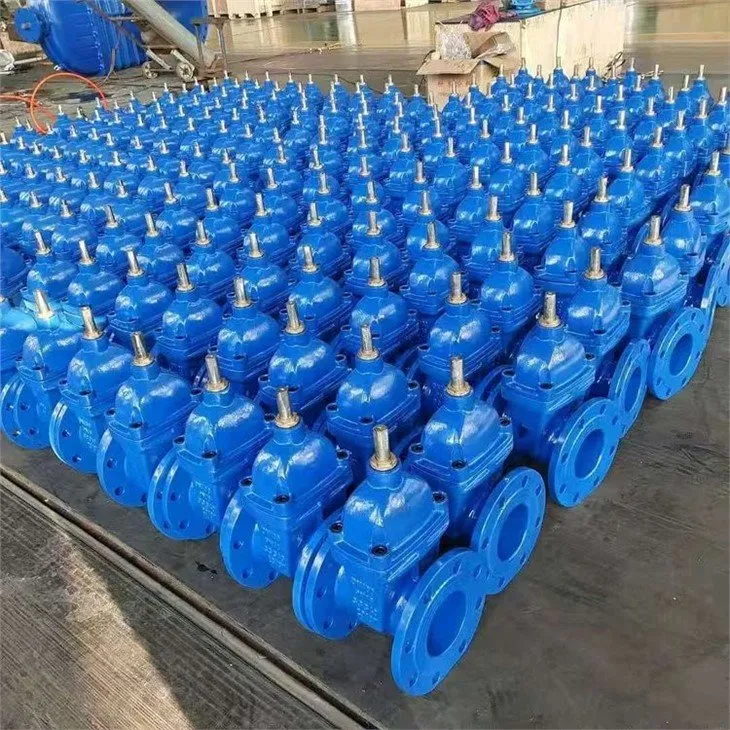
If you are interested in purchasing gate valves or would like to discuss your specific requirements, please feel free to contact us. Our team of experts is ready to assist you in making the right choice and providing you with a competitive quote.
References
- Valve Handbook, by Leslie E. Kamm.
- Industrial Valves: Selection, Specification, and Installation, by Jim Hall.