


In the realm of industrial fluid control, valves play a pivotal role in ensuring the smooth and efficient operation of various systems. Among the numerous types of valves available, DIN Globe Valves and check valves are two commonly used options, each with its own distinct features and applications. As a DIN Globe Valve supplier, I have witnessed firsthand the importance of understanding the differences between these two valve types to make informed decisions in fluid control systems. In this blog post, I will delve into the key differences between DIN Globe Valves and check valves, shedding light on their unique characteristics, working principles, and typical applications.
Structural Design
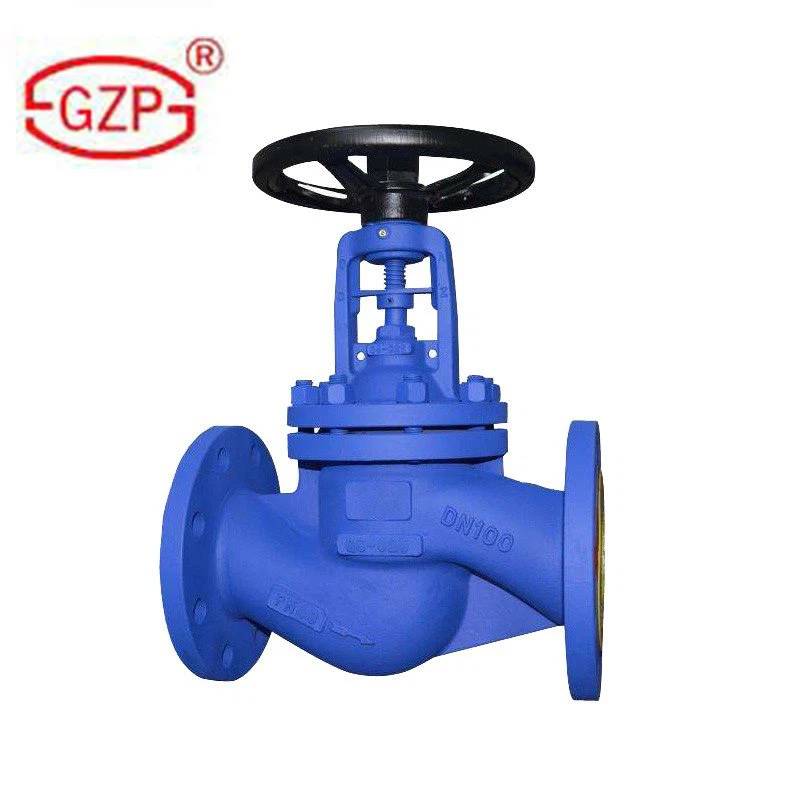
One of the most apparent differences between DIN Globe Valves and check valves lies in their structural design. DIN Globe Valves are named for their spherical body shape, which houses a movable disk (also known as a plug) that can be raised or lowered to control the flow of fluid through the valve. The disk is connected to a stem, which is actuated by a handwheel, electric motor, or other types of actuators. When the disk is fully raised, the valve is open, allowing fluid to flow freely through the valve. Conversely, when the disk is fully lowered, the valve is closed, blocking the flow of fluid.
On the other hand, check valves have a simpler design. They typically consist of a valve body, a disc or a ball, and a seat. The disc or ball is designed to move freely within the valve body, allowing fluid to flow in one direction while preventing backflow. When the fluid flows in the forward direction, the pressure of the fluid pushes the disc or ball away from the seat, opening the valve and allowing fluid to pass through. When the fluid flow reverses, the pressure of the backflow forces the disc or ball against the seat, closing the valve and preventing the backflow of fluid.
Working Principle
The working principles of DIN Globe Valves and check valves are also fundamentally different. DIN Globe Valves are designed to provide precise control over the flow rate, pressure, and direction of fluid in a system. By adjusting the position of the disk, the valve can regulate the amount of fluid passing through the valve, allowing for fine-tuning of the system's performance. This makes DIN Globe Valves suitable for applications where accurate flow control is required, such as in chemical processing plants, power generation facilities, and water treatment plants.

Check valves, on the other hand, are primarily used to prevent the backflow of fluid in a system. They operate automatically, without the need for external control or actuation. The opening and closing of the valve are determined by the pressure differential across the valve. When the pressure on the inlet side of the valve is higher than the pressure on the outlet side, the valve opens, allowing fluid to flow in the forward direction. When the pressure on the outlet side exceeds the pressure on the inlet side, the valve closes, preventing the backflow of fluid. This makes check valves ideal for applications where backflow prevention is crucial, such as in pumping systems, pipelines, and HVAC systems.
Flow Characteristics
Another significant difference between DIN Globe Valves and check valves is their flow characteristics. DIN Globe Valves have a relatively high pressure drop due to the obstruction caused by the disk in the flow path. This means that a significant amount of energy is required to overcome the resistance of the valve and maintain the desired flow rate. However, the high pressure drop also allows for precise control over the flow rate, as the position of the disk can be adjusted to vary the size of the flow opening.
Check valves, on the other hand, have a relatively low pressure drop because they offer minimal resistance to the flow of fluid in the forward direction. This makes them more energy-efficient than DIN Globe Valves, especially in applications where large volumes of fluid need to be transported over long distances. However, check valves do not provide any control over the flow rate, as they are designed to open and close automatically based on the pressure differential across the valve.
Applications
The differences in structural design, working principle, and flow characteristics between DIN Globe Valves and check valves make them suitable for different applications. DIN Globe Valves are commonly used in applications where precise flow control is required, such as in:
- Chemical Processing Plants: DIN Globe Valves are used to control the flow of various chemicals and fluids in chemical processing plants. They can be used to regulate the flow rate, pressure, and temperature of the fluids, ensuring the safe and efficient operation of the plant.
- Power Generation Facilities: In power generation facilities, DIN Globe Valves are used to control the flow of steam, water, and other fluids in the boiler, turbine, and condenser systems. They play a crucial role in maintaining the proper operating conditions of the power plant and ensuring the reliability and efficiency of the power generation process.
- Water Treatment Plants: DIN Globe Valves are used in water treatment plants to control the flow of water, chemicals, and sludge in the treatment process. They can be used to regulate the flow rate, pressure, and pH of the water, ensuring the quality and safety of the treated water.
Check valves, on the other hand, are primarily used in applications where backflow prevention is crucial, such as in:
- Pumping Systems: Check valves are used in pumping systems to prevent the backflow of fluid when the pump is shut down or when there is a sudden loss of power. This helps to protect the pump from damage and ensures the efficient operation of the pumping system.
- Pipelines: In pipelines, check valves are used to prevent the backflow of fluid in the event of a pipeline rupture or a pressure surge. This helps to prevent the contamination of the pipeline and the environment and ensures the safety and reliability of the pipeline system.
- HVAC Systems: Check valves are used in HVAC systems to prevent the backflow of refrigerant, water, and air in the system. This helps to maintain the proper operating conditions of the HVAC system and ensures the comfort and energy efficiency of the building.
Conclusion
In conclusion, DIN Globe Valves and check valves are two distinct types of valves with different structural designs, working principles, flow characteristics, and applications. DIN Globe Valves are designed to provide precise control over the flow rate, pressure, and direction of fluid in a system, making them suitable for applications where accurate flow control is required. Check valves, on the other hand, are primarily used to prevent the backflow of fluid in a system, making them ideal for applications where backflow prevention is crucial.
As a DIN Globe Valve supplier, I understand the importance of choosing the right valve for the specific application. Whether you need a DIN Globe Valve for precise flow control or a check valve for backflow prevention, I can provide you with high-quality valves that meet your requirements. Our DIN Globe Valve and Forged Globe Valve Forged Globe Valve products are designed and manufactured to the highest standards of quality and performance, ensuring reliable and efficient operation in your fluid control system.
If you are interested in learning more about our DIN Globe Valves or other valve products, or if you have any questions or requirements regarding valve selection and application, please feel free to contact us. Our team of experts will be happy to assist you in finding the right valve solution for your needs.
References
- Crane Co., "Flow of Fluids Through Valves, Fittings, and Pipe," Technical Paper No. 410.
- Spirax Sarco, "Valve Selection Guide," Technical Manual.
- ASME Boiler and Pressure Vessel Code, Section VIII, Division 1.