


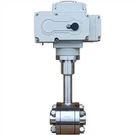
Can a PLUG Valve be used for high - temperature applications?
As a seasoned PLUG Valve supplier, I've encountered numerous inquiries regarding the suitability of PLUG valves for high - temperature applications. In this blog, I'll delve into the technical aspects, advantages, limitations, and real - world applications of using PLUG valves in high - temperature scenarios.
Understanding PLUG Valves
PLUG valves are quarter - turn valves that use a tapered or cylindrical plug to control the flow of fluids. The plug has one or more ports that can be aligned with the inlet and outlet ports of the valve body to allow or block the flow. They are known for their simplicity, reliability, and quick - acting operation.
High - Temperature Requirements
High - temperature applications typically involve environments where the fluid temperature exceeds 200°C (392°F). In such conditions, materials used in valve construction must withstand thermal expansion, corrosion, and maintain their mechanical properties. The valve's sealing performance is also crucial to prevent leakage, which can be more challenging at elevated temperatures.
Materials for High - Temperature PLUG Valves
- Metallic Materials
- Stainless steel is a popular choice for high - temperature PLUG valves. It offers good corrosion resistance and can withstand temperatures up to around 600°C (1112°F). For example, certain grades of stainless steel like 316 and 316L can maintain their strength and integrity in moderately high - temperature environments.
- Alloy steels, such as chrome - molybdenum steels, are used for even higher - temperature applications. These steels can handle temperatures up to 800°C (1472°F) and are often used in power generation and petrochemical industries.
- Sealing Materials
- Graphite is a common sealing material for high - temperature PLUG valves. It has excellent thermal stability and can withstand temperatures up to 1000°C (1832°F) in an oxidizing environment and even higher in a non - oxidizing environment. Graphite gaskets and packing are used to ensure a tight seal between the plug and the valve body.
- Ceramic materials can also be used for sealing in extremely high - temperature applications. They offer high hardness, wear resistance, and can withstand temperatures above 1000°C (1832°F). However, ceramics are brittle and require careful design and handling.
Advantages of Using PLUG Valves in High - Temperature Applications
- Quick Operation
- PLUG valves can be opened or closed with a quarter - turn of the handle, which is beneficial in high - temperature applications where rapid shut - off may be required in case of emergencies. For example, in a chemical processing plant, a sudden increase in temperature may require immediate isolation of a section of the pipeline, and a PLUG valve can provide this quick response.
- Reliable Sealing
- With proper sealing materials like graphite, PLUG valves can provide a reliable seal even at high temperatures. This reduces the risk of leakage, which is crucial in high - temperature applications as leaked fluids can be hazardous and cause damage to the surrounding equipment.
- Low Maintenance
- The simple design of PLUG valves means fewer moving parts, resulting in lower maintenance requirements. In high - temperature environments, where maintenance can be difficult and costly, this is a significant advantage.
Limitations of Using PLUG Valves in High - Temperature Applications
- Thermal Expansion
- The difference in thermal expansion between the plug and the valve body can cause issues. If not properly accounted for in the design, the plug may bind or the seal may be compromised. For example, if the plug expands more than the valve body at high temperatures, it may become difficult to turn the valve.
- Erosion and Corrosion
- High - temperature fluids can be more corrosive and erosive. The internal surfaces of the PLUG valve, especially the plug and the seat, are exposed to the flowing fluid. Over time, erosion and corrosion can damage the valve and affect its performance.
Real - World Applications
- Power Generation
- In power plants, PLUG valves are used in steam systems. Steam can reach high temperatures, and PLUG valves with appropriate materials can control the flow of steam effectively. For example, in a boiler system, a PLUG valve can be used to regulate the flow of steam from the boiler to the turbine.
- Petrochemical Industry
- In refineries and petrochemical plants, high - temperature fluids such as crude oil, refined products, and various chemical compounds are processed. PLUG valves are used in pipelines to control the flow of these fluids. For instance, in a cracking unit, where high - temperature reactions take place, PLUG valves can be used to isolate different sections of the unit.
Our Product Offerings
As a PLUG Valve supplier, we offer a range of products suitable for high - temperature applications. Our Jacketed Three - Way PLUG Valve is designed with a jacket that can be used for heating or cooling the valve, which is particularly useful in high - temperature applications where temperature control is critical.
Our Metal To Metal Seat PLUG Valve provides a reliable seal at high temperatures. The metal - to - metal seating design ensures durability and can withstand the harsh conditions of high - temperature fluids.
For applications requiring large - size valves, our Cast Steel PLUG Valve is a great choice. Cast steel offers good strength and can handle high - temperature and high - pressure conditions.


Conclusion
In conclusion, PLUG valves can be used for high - temperature applications with the right choice of materials and proper design. They offer advantages such as quick operation, reliable sealing, and low maintenance. However, they also have limitations related to thermal expansion, erosion, and corrosion. As a PLUG Valve supplier, we are committed to providing high - quality valves that meet the specific requirements of high - temperature applications.
If you are in need of PLUG valves for high - temperature applications, we encourage you to contact us for a detailed discussion about your project requirements. Our team of experts can help you select the most suitable valve and provide technical support throughout the procurement process.
References
- Valve Handbook by J. S. T. Smith
- High - Temperature Materials and Their Applications by R. A. Rapp