


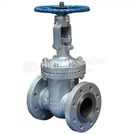


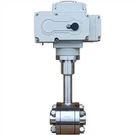

Hey there! As a ball valve supplier, I often get asked about the differences between forged and cast ball valves. It's a topic that's super important if you're in the market for a ball valve, so I thought I'd break it down for you.
First off, let's talk about the manufacturing processes. A cast ball valve is made through a casting process. In this process, molten metal is poured into a mold. The mold is designed in the shape of the ball valve, and as the metal cools and solidifies, it takes on that shape. It's kind of like making a Jell - O mold. You pour the liquid Jell - O into the mold, and when it sets, you get the shape of the mold. For cast ball valves, common materials used are brass, bronze, and cast iron.
On the other hand, a forged ball valve is created by applying pressure to a solid piece of metal. The metal is heated until it's malleable, and then it's pounded or pressed into the desired shape. It's like a blacksmith working on a piece of hot iron, hammering it into shape. Forged valves are usually made from materials like carbon steel, stainless steel, and alloy steel.
Now, let's dive into the differences in terms of strength and durability. Forged ball valves are generally stronger. The forging process aligns the grain structure of the metal, making it more resistant to stress, impact, and fatigue. When you're dealing with high - pressure systems, a forged ball valve can handle the pressure better. For example, in an oil and gas pipeline where the pressure can be extremely high, a forged ball valve is often the go - to choice. It's less likely to crack or break under pressure compared to a cast ball valve.
Cast ball valves, while still strong, have a more random grain structure due to the casting process. This makes them a bit more vulnerable to stress concentrations. However, they are perfectly suitable for low - to medium - pressure applications. If you're using a ball valve in a residential plumbing system, a cast ball valve will usually do the job just fine. The pressure in a home plumbing system is much lower than in an industrial pipeline, so the cast valve can handle it without any issues.
Another difference is in terms of cost. Cast ball valves are generally cheaper to produce. The casting process is relatively simple and doesn't require as much energy or specialized equipment as forging. This cost - effectiveness makes them a popular choice for applications where cost is a major factor. If you're on a tight budget and need a ball valve for a small - scale project, a cast ball valve might be the way to go.
Forged ball valves, however, are more expensive. The forging process is more labor - intensive and requires more energy. The raw materials used for forging are also often more expensive. But when you consider the long - term durability and performance, especially in high - pressure and high - stress applications, the extra cost can be worth it. You'll save money in the long run by not having to replace the valve as often.
In terms of precision and finish, forged ball valves tend to have a better surface finish. The forging process allows for more precise shaping, which can be important in applications where a tight seal is required. A good seal is crucial to prevent leaks, especially in systems handling hazardous or valuable fluids. Cast ball valves may have some minor imperfections on the surface due to the nature of the casting process. These imperfections might not affect the valve's performance in all cases, but in some high - precision applications, they could be a problem.
Now, let's talk about the applications. As I mentioned earlier, cast ball valves are great for low - to medium - pressure applications. They're commonly used in residential plumbing, irrigation systems, and some light - industrial applications. For example, in a small - scale water treatment plant where the pressure is relatively low, a cast ball valve can control the flow of water effectively.
Forged ball valves are used in more demanding applications. They're commonly found in the oil and gas industry, chemical processing plants, and power generation facilities. In an oil refinery, where the valves need to withstand high pressures and corrosive chemicals, a forged ball valve is essential. It can ensure the safe and efficient operation of the entire system.
If you're looking for a specific type of ball valve, like a Cryogenic Ball Valve, you need to consider these differences even more carefully. Cryogenic applications involve extremely low temperatures, and the valve needs to be able to perform well under such conditions. Forged ball valves are often preferred in cryogenic applications because of their superior strength and durability.
So, how do you decide which one to choose? Well, it really depends on your specific needs. If you're working on a low - budget, low - pressure project, a cast ball valve is probably your best bet. But if you're dealing with high - pressure, high - stress, or high - precision applications, you should go for a forged ball valve.


As a ball valve supplier, I'm here to help you make the right choice. If you have any questions about whether a forged or cast ball valve is suitable for your project, feel free to reach out. I can provide you with more detailed information and even help you select the best valve for your specific requirements. Whether it's for a small - scale home project or a large - scale industrial application, I've got you covered. Don't hesitate to contact me for a quote and to start the procurement process. Let's work together to find the perfect ball valve for your needs.
References
- "Valve Handbook" by J. Paul Tullis
- "Industrial Valves: Selection, Specification, and Installation" by William L. Wulfsohn