




Hey there! I'm a supplier of DIB Ball Valves, and today I wanna share with you how to lubricate a DIB Ball Valve. Lubrication is crucial for these valves as it helps them work smoothly, reduces wear and tear, and extends their lifespan. So, let's get right into it!
Why Lubrication Matters
Before we jump into the how - to part, let's talk about why lubricating a DIB Ball Valve is so important. A DIB (Double Isolation and Bleed) Ball Valve is designed to provide a reliable shut - off in various industrial applications. When the valve is in operation, there's a lot of friction between its moving parts, like the ball and the seats. Over time, this friction can cause damage to these components, leading to leaks and reduced performance.
Lubrication acts as a protective layer between these moving parts. It reduces friction, which in turn decreases the amount of heat generated during operation. This helps prevent premature wear and tear of the valve's internal components. Additionally, a well - lubricated valve is easier to operate, requiring less force to open and close, which can be a huge advantage, especially in large - scale industrial settings.
Tools and Materials You'll Need
To lubricate a DIB Ball Valve, you'll need a few tools and materials. Here's what you should gather before you start:
- Lubricant: Make sure to choose a lubricant that's compatible with the valve's materials. Different valves may require different types of lubricants, so check the valve's manual or consult with the manufacturer if you're not sure.
- Lubrication gun: This is used to apply the lubricant to the valve. You can find various types of lubrication guns on the market, so pick one that suits your needs.
- Wrenches: You may need wrenches to access the lubrication points on the valve. Make sure you have the right sizes for your specific valve.
- Cleaning cloth: This is for wiping away any dirt or debris from the valve before lubrication.
Step - by - Step Lubrication Process
Now that you have all the necessary tools and materials, let's go through the step - by - step process of lubricating a DIB Ball Valve.
Step 1: Preparation
First, make sure the valve is in the closed position. This is important for safety reasons and to ensure that the lubricant is applied correctly. Next, use the cleaning cloth to wipe away any dirt, dust, or debris from the valve's exterior, especially around the lubrication points. This helps prevent any contaminants from entering the valve during the lubrication process.
Step 2: Locate the Lubrication Points
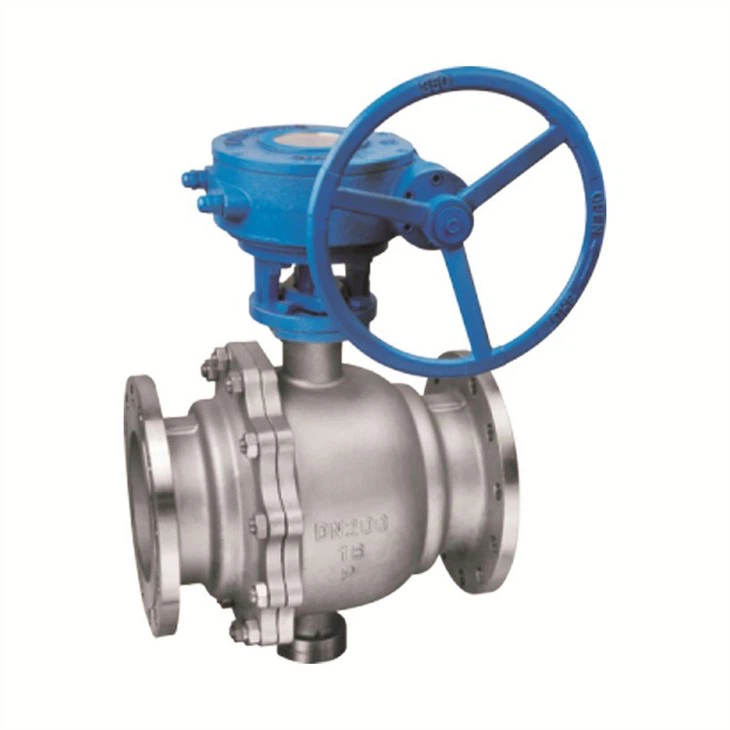
DIB Ball Valves usually have specific lubrication points, which are typically marked on the valve. These points are where you'll apply the lubricant. Refer to the valve's manual if you're having trouble finding them. Some common locations for lubrication points include the stem and the seats.

Step 3: Attach the Lubrication Gun
Once you've located the lubrication points, attach the lubrication gun to the first point. Make sure the connection is secure to prevent any leakage of the lubricant.
Step 4: Apply the Lubricant
Slowly pump the lubrication gun to apply the lubricant. Be careful not to over - lubricate, as this can cause problems. Follow the manufacturer's recommendations for the amount of lubricant to use. As you apply the lubricant, you may notice some resistance at first, but this should decrease as the lubricant starts to work its way into the valve's components.
Step 5: Move to the Next Lubrication Point
After lubricating one point, move on to the next one. Repeat the process of attaching the lubrication gun and applying the lubricant until you've lubricated all the designated points on the valve.
Step 6: Check for Leaks
Once you've finished lubricating all the points, check the valve for any signs of leaks. Look for any drips or seepage around the lubrication points or other parts of the valve. If you notice any leaks, tighten the connections or consult with a professional for further assistance.
Step 7: Operate the Valve
After checking for leaks, operate the valve a few times to distribute the lubricant evenly throughout the valve's internal components. This helps ensure that all the moving parts are properly lubricated.
Different Types of DIB Ball Valves and Lubrication
There are various types of DIB Ball Valves, and the lubrication process may vary slightly depending on the type. For example, Cast Trunnion Ball Valve and Cast Trunnion Plated Ball Valve have unique designs that may require specific lubrication techniques.
In general, trunnion - mounted ball valves like these have additional components that need to be lubricated, such as the trunnion bearings. When lubricating these valves, make sure to pay extra attention to these areas.
Another type is the DBB Ball Valve. DBB (Double Block and Bleed) Ball Valves are designed to provide double isolation, which means they have additional sealing mechanisms. When lubricating a DBB Ball Valve, it's important to ensure that all the sealing surfaces are properly lubricated to maintain their effectiveness.
Maintenance Tips
Lubricating your DIB Ball Valve is just one part of its maintenance. Here are some additional tips to keep your valve in good working condition:
- Regular inspections: Conduct regular visual inspections of the valve to check for any signs of damage, wear, or corrosion. Look for cracks, leaks, or any other abnormalities.
- Cleaning: Keep the valve clean by wiping it down regularly. This helps prevent the build - up of dirt and debris, which can affect the valve's performance.
- Follow the manufacturer's guidelines: Always follow the manufacturer's recommendations for maintenance, lubrication, and operation. This ensures that you're taking the best care of your valve.
Conclusion
Lubricating a DIB Ball Valve is an essential part of its maintenance. By following the steps outlined in this blog, you can ensure that your valve operates smoothly, lasts longer, and performs at its best. If you're in the market for a high - quality DIB Ball Valve or need more information about valve lubrication, feel free to reach out to us. We're here to help you make the right choice for your industrial needs. Whether you're looking for a Cast Trunnion Ball Valve, Cast Trunnion Plated Ball Valve, or a DBB Ball Valve, we've got you covered. Let's start a conversation and see how we can meet your requirements.
References
- Valve Manufacturer's Manuals
- Industry Standards for Valve Lubrication and Maintenance