



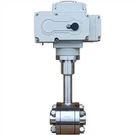
As a seasoned supplier of forged valves, I often encounter inquiries regarding the energy consumption of electrically operated forged valves. This topic is crucial as industries strive to optimize energy use, reduce costs, and enhance environmental sustainability. In this blog, I will delve into the factors influencing the energy consumption of these valves, how to calculate it, and practical tips for minimizing energy use.
Understanding Electrically Operated Forged Valves
Electrically operated forged valves are essential components in various industrial processes, including oil and gas, water treatment, and power generation. These valves are designed to control the flow of fluids, gases, or slurries by opening, closing, or partially obstructing passageways. The electric actuator, which is the driving force behind the valve's operation, consumes electrical energy to perform these functions.


The energy consumption of an electrically operated forged valve depends on several factors:
1. Actuator Type
There are different types of electric actuators, such as multi - turn, quarter - turn, and linear actuators. Each type has a different power requirement based on its design and the torque or thrust needed to operate the valve. For example, multi - turn actuators are typically used for gate and globe valves, which require multiple rotations to open or close. These actuators often consume more energy compared to quarter - turn actuators used for ball and butterfly valves, as they have to perform more mechanical work.
2. Valve Size and Pressure Rating
Larger valves and those with higher pressure ratings generally require more force to operate. As a result, the electric actuator needs to deliver more power, leading to increased energy consumption. For instance, a large - diameter forged steel ball valve 2 PCS Forged Steel Ball Valve used in a high - pressure pipeline will need a more powerful actuator than a smaller valve in a low - pressure system.
3. Frequency of Operation
The more frequently a valve is opened and closed, the more energy it will consume. In continuous - flow processes where valves are adjusted frequently to maintain flow rates or pressures, energy consumption can be significant. On the other hand, valves that are rarely operated, such as those in standby or emergency systems, consume less energy over time.
4. Actuator Efficiency
The efficiency of the electric actuator plays a vital role in energy consumption. High - efficiency actuators convert a larger proportion of the electrical energy they receive into mechanical work, while low - efficiency actuators waste more energy as heat. Modern actuators are designed with advanced technologies to improve efficiency, such as variable - speed drives and energy - saving control algorithms.
Calculating Energy Consumption
To calculate the energy consumption of an electrically operated forged valve, you need to know the power rating of the actuator and the operating time. The power rating (P) is usually specified in watts (W) and can be found in the actuator's technical documentation. The operating time (t) is the total time the actuator is powered during a given period, usually measured in hours (h).
The energy consumption (E) in watt - hours (Wh) can be calculated using the formula:
[E = P\times t]
For example, if an actuator has a power rating of 500 W and operates for 2 hours a day, the daily energy consumption is (E = 500\times2=1000) Wh or 1 kilowatt - hour (kWh).
However, in real - world applications, the calculation can be more complex. The actuator may not operate at full power all the time, especially if it has a variable - speed drive. In such cases, you need to consider the average power consumption over the operating cycle.
Minimizing Energy Consumption
As a forged valve supplier, I understand the importance of helping customers reduce energy costs. Here are some practical tips:
1. Select the Right Actuator
Choose an actuator that is appropriately sized for the valve and the application. An oversized actuator will consume more energy than necessary, while an undersized actuator may not be able to operate the valve effectively. Consider the torque or thrust requirements, the type of valve, and the operating conditions when selecting an actuator.
2. Use High - Efficiency Actuators
Invest in high - efficiency actuators with features such as variable - speed drives, energy - saving control algorithms, and improved motor designs. These actuators can significantly reduce energy consumption, especially in applications where the valve is operated frequently.
3. Optimize Valve Operation
Reduce the frequency of valve operation whenever possible. This can be achieved by improving process control strategies, such as using feedback loops to maintain stable flow rates and pressures without frequent valve adjustments. Additionally, ensure that the valve is properly maintained to prevent leaks and excessive friction, which can increase energy consumption.
4. Consider Energy - Recovery Systems
In some applications, energy - recovery systems can be installed to capture and reuse the energy generated during valve operation. For example, in a hydraulic system, the energy released when a valve is closed can be stored and used to power other components.
Case Studies
Let's take a look at some real - world examples of how energy consumption of electrically operated forged valves can be reduced.
In a water treatment plant, a large - scale Y - type strainer Y Type Strainer was equipped with an oversized electric actuator. By replacing the actuator with a properly sized, high - efficiency model, the plant was able to reduce the energy consumption of the valve by 30%. This not only saved on electricity costs but also extended the lifespan of the actuator.
In an oil refinery, a set of forged steel check valves Forged Steel Check Valves were operating frequently to control the flow of crude oil. By implementing a variable - speed drive on the electric actuators, the refinery was able to adjust the actuator speed based on the actual flow requirements. This resulted in a 25% reduction in energy consumption for these valves.
Conclusion
The energy consumption of electrically operated forged valves is influenced by multiple factors, including actuator type, valve size, frequency of operation, and actuator efficiency. By understanding these factors and implementing appropriate energy - saving measures, industries can significantly reduce their energy costs and environmental impact.
As a reliable forged valve supplier, I am committed to providing high - quality valves and actuators that are designed with energy efficiency in mind. Whether you are looking for a 2 PCS Forged Steel Ball Valve, a Y - type strainer, or forged steel check valves, I can offer you the best solutions tailored to your specific needs.
If you are interested in learning more about our products or discussing your energy - saving requirements, please feel free to reach out for a detailed consultation. I look forward to working with you to optimize your valve systems and achieve significant energy savings.
References
- "Valve Handbook" by J. A. Zielinski
- Technical documentation from leading valve and actuator manufacturers
- Industry reports on energy efficiency in industrial processes