


As a trusted supplier of DBB (Double Block and Bleed) Ball Valves, I understand the critical importance of fire-safe design in these essential components. In the industrial landscape, where safety is paramount, a fire-safe DBB Ball Valve can be the difference between a minor incident and a catastrophic event. This blog post will delve into the intricacies of fire-safe design for DBB Ball Valves, exploring the key features, standards, and benefits that make them a reliable choice for various applications.
Understanding DBB Ball Valves
Before we dive into the fire-safe design aspects, let's briefly review what a DBB Ball Valve is. A DBB Ball Valve is a type of valve that provides a double block and bleed function. This means that it can isolate both upstream and downstream media simultaneously and bleed the cavity between the two seats. This feature is particularly useful in applications where it is necessary to prevent the flow of hazardous or valuable fluids, such as in oil and gas pipelines, chemical plants, and power generation facilities.
Key Features of Fire-Safe Design
Metal Seating
One of the primary features of a fire-safe DBB Ball Valve is the use of metal seating. In a fire situation, traditional soft seats made of materials like elastomers can melt or burn, compromising the valve's ability to seal. Metal seats, on the other hand, can withstand high temperatures and maintain their integrity, providing a reliable seal even under extreme conditions.
Fire-Resistant Stem Packing
The stem packing of a DBB Ball Valve is another critical component in fire-safe design. Fire-resistant stem packing materials, such as graphite, can prevent the escape of fluid along the stem in the event of a fire. Graphite has excellent thermal stability and can form a tight seal at high temperatures, ensuring that the valve remains operational and leak-free.
Emergency Sealing Mechanisms
Many fire-safe DBB Ball Valves are equipped with emergency sealing mechanisms. These mechanisms are designed to activate in the event of a fire, providing an additional layer of protection. For example, some valves have a spring-loaded seat that can compensate for the loss of soft seat material due to fire, ensuring a continued seal.
Fire-Tested Design
To ensure the effectiveness of the fire-safe design, DBB Ball Valves should be tested in accordance with recognized standards. Standards such as API 607 and API 6FA provide guidelines for fire testing of valves, including requirements for seat leakage, stem packing leakage, and structural integrity. Valves that have passed these tests are certified to meet the fire-safe performance criteria, giving users confidence in their reliability.
Benefits of Fire-Safe DBB Ball Valves
Enhanced Safety
The most obvious benefit of a fire-safe DBB Ball Valve is enhanced safety. In industries where fires are a potential hazard, such as the oil and gas sector, having a valve that can withstand high temperatures and prevent the spread of fire is crucial. Fire-safe valves can help protect personnel, equipment, and the environment by minimizing the risk of leaks and explosions.

Regulatory Compliance
Many industries are subject to strict regulations regarding fire safety. Using fire-safe DBB Ball Valves can help companies comply with these regulations and avoid costly fines and penalties. By investing in fire-safe valves, companies can demonstrate their commitment to safety and responsible operation.
Reduced Downtime
In the event of a fire, a non-fire-safe valve may need to be replaced or repaired, resulting in significant downtime. Fire-safe DBB Ball Valves, on the other hand, are designed to withstand the effects of fire and can often be returned to service quickly after the fire is extinguished. This can help minimize production losses and keep operations running smoothly.
Our Product Range
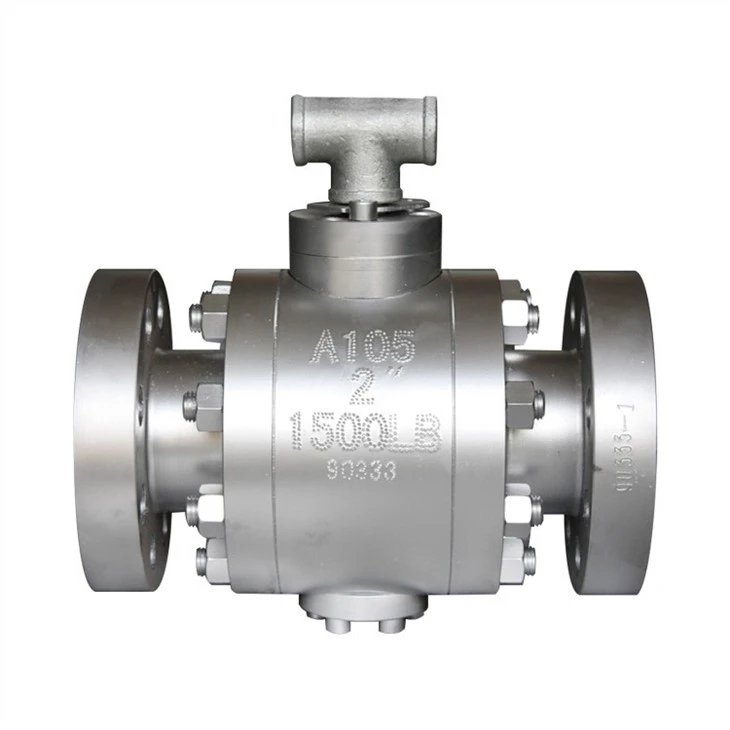
As a leading supplier of DBB Ball Valves, we offer a wide range of fire-safe options to meet the diverse needs of our customers. Our product range includes Cast Trunnion Ball Valve, DIB Ball Valve, and Forged Trunnion Ball Valve, all of which are designed and tested to meet the highest standards of fire safety.
Our valves are manufactured using high-quality materials and advanced manufacturing processes to ensure durability and reliability. We also offer customized solutions to meet specific customer requirements, including special sizes, materials, and configurations.
Conclusion
In conclusion, fire-safe design is an essential consideration when selecting a DBB Ball Valve. By choosing a valve with metal seating, fire-resistant stem packing, emergency sealing mechanisms, and a fire-tested design, you can ensure the safety and reliability of your operations. As a trusted supplier of DBB Ball Valves, we are committed to providing our customers with high-quality, fire-safe products that meet their needs.
If you are interested in learning more about our fire-safe DBB Ball Valves or would like to discuss your specific requirements, please do not hesitate to contact us. Our team of experts is ready to assist you in finding the right valve for your application.
References
- American Petroleum Institute (API). (2017). API 607 - Fire Test for Quarter-Turn Valves and Valves with Nonmetallic Seats.
- American Petroleum Institute (API). (2018). API 6FA - Fire Test for Valves.