



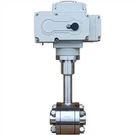
Hey there! As a supplier of PLUG valves for aerospace applications, I often get asked about the price of these valves. It's a fair question, considering that aerospace projects demand high - quality, reliable components, and cost is always a crucial factor in any procurement decision. In this blog, I'll break down the factors that influence the price of PLUG valves for aerospace and give you a better understanding of what you can expect to pay.
Understanding the Basics of PLUG Valves in Aerospace
First off, let's talk about what PLUG valves are and why they're so important in aerospace. A PLUG valve is a type of valve that uses a cylindrical or conical plug to control the flow of fluid. In aerospace applications, these valves are used in various systems, such as fuel systems, hydraulic systems, and pneumatic systems. They need to be able to withstand extreme conditions, including high pressures, high temperatures, and corrosive environments.
The performance requirements for aerospace PLUG valves are extremely high. They must be highly reliable, have a long service life, and be able to operate precisely under demanding conditions. This means that the materials used, the manufacturing processes, and the quality control measures are all top - notch, which in turn affects the price.


Factors Affecting the Price of Aerospace PLUG Valves
1. Material Selection
The materials used to make PLUG valves play a huge role in determining their price. In aerospace, common materials include stainless steel, titanium, and nickel - based alloys. Stainless steel is relatively affordable and offers good corrosion resistance. Titanium, on the other hand, is lightweight and has excellent strength - to - weight ratio, but it's more expensive due to its high cost of extraction and processing. Nickel - based alloys are used in high - temperature and high - pressure applications because of their superior heat resistance and mechanical properties, but they come at a premium price.
For example, a PLUG valve made from standard stainless steel will be less expensive than one made from a high - grade titanium alloy. The choice of material depends on the specific requirements of the aerospace system, such as the type of fluid being controlled, the operating temperature, and the pressure range.
2. Valve Size and Design
The size of the PLUG valve also impacts its price. Larger valves generally cost more because they require more material and more complex manufacturing processes. A Big Size Cast Steel PLUG Valve will typically be pricier than a smaller one.
In addition to size, the design of the valve matters. Some valves have more complex designs, such as Eccentricl PLUG Valve. These valves are designed to provide better sealing performance and reduced operating torque, but the additional engineering and manufacturing complexity drive up the cost.
3. Performance Requirements
Aerospace applications often have strict performance requirements. Valves need to meet specific standards for leakage rates, flow coefficients, and operating cycles. Valves that are designed to meet higher performance standards will be more expensive. For instance, an API PLUG Valve that complies with API (American Petroleum Institute) standards is likely to cost more than a non - compliant valve because it has undergone more rigorous testing and quality control.
4. Quantity Ordered
Just like with any product, the quantity you order can have a big impact on the price. If you're ordering a large quantity of PLUG valves, you can usually get a better unit price. This is because suppliers can take advantage of economies of scale in production, reducing the cost per valve. On the other hand, if you only need a few valves, the unit price will be higher due to the fixed costs associated with setting up production and quality control.
Price Ranges for Aerospace PLUG Valves
It's difficult to give an exact price for aerospace PLUG valves because of the many variables involved. However, I can give you a general idea of the price ranges.
Small - sized, standard - specification PLUG valves made from common materials like stainless steel can cost anywhere from a few hundred dollars to a couple of thousand dollars per unit. These valves are suitable for less demanding aerospace applications, such as some secondary fluid control systems.
Medium - sized valves with more advanced features or made from higher - grade materials can range from a few thousand dollars to tens of thousands of dollars. These valves are often used in more critical systems, such as fuel delivery systems.
Large - sized, high - performance PLUG valves made from exotic materials like titanium or nickel - based alloys can cost tens of thousands of dollars or even more. These valves are typically used in the most demanding aerospace applications, such as in high - altitude or high - speed flight systems.
How to Get the Best Price
If you're in the market for aerospace PLUG valves, here are some tips to help you get the best price:
1. Define Your Requirements Clearly
Before you start looking for a supplier, make sure you have a clear understanding of your requirements. This includes the size of the valve, the material, the performance specifications, and the quantity you need. By providing detailed information to the supplier, you can get a more accurate quote and avoid overpaying for features you don't need.
2. Shop Around
Don't just settle for the first supplier you find. Get quotes from multiple suppliers and compare them. Look at not only the price but also the quality of the valves, the supplier's reputation, and their after - sales service.
3. Negotiate
Once you have a few quotes, don't be afraid to negotiate with the suppliers. You may be able to get a better price, especially if you're ordering a large quantity or if you're willing to enter into a long - term supply agreement.
Contact Us for Your PLUG Valve Needs
If you're interested in purchasing aerospace PLUG valves, I'd love to hear from you. As a supplier with years of experience in the aerospace industry, I can offer you high - quality valves at competitive prices. Whether you need a single valve for a prototype or a large quantity for a production project, I can help. Just reach out to me, and we can start discussing your specific requirements and getting you the best possible deal.
References
- "Aerospace Valves Handbook" - A comprehensive guide on valves used in aerospace applications, providing in - depth information on design, materials, and performance requirements.
- "Valve Engineering and Technology" - A technical publication that covers various aspects of valve technology, including manufacturing processes and cost factors.