


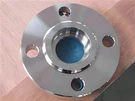
Hey there! As a supplier of ASME B16.5 RF flanges, I often get asked about the standard for the surface flatness deviation of these flanges. So, I thought I'd take a moment to break it down for you.
First off, let's talk about what ASME B16.5 RF flanges are. The ASME B16.5 standard covers pipe flanges and flanged fittings from NPS 1/2 through NPS 24 for pressure classes 150 to 2500. The "RF" stands for Raised Face, which is a common type of flange face used in many industrial applications. You can check out more details about RF Flange NPS 1/2~NPS24.
Now, when it comes to the surface flatness deviation, it's a crucial factor that can affect the performance and safety of the flange connection. A proper flat surface ensures a good seal between the flanges, preventing leaks and maintaining the integrity of the piping system.
The ASME B16.5 standard doesn't specifically define a single, absolute value for the surface flatness deviation. Instead, it gives some general guidelines and requirements that are related to the quality of the flange surface. Usually, the flatness deviation is measured within a certain reference area on the flange face.
For most applications, the surface flatness deviation should be kept as small as possible. In practice, we often aim for a deviation of no more than a few thousandths of an inch. This level of precision helps to ensure a tight and reliable seal when the flanges are bolted together.
One of the reasons why the surface flatness is so important is that it affects the gasket performance. The gasket is the component that fills the gap between the two flange faces and provides the seal. If the flange surface is not flat, the gasket may not be compressed evenly, which can lead to leaks.
Let's take a closer look at how we measure the surface flatness deviation. There are several methods available, but one of the most common is using a straightedge and a feeler gauge. We place the straightedge on the flange face and use the feeler gauge to measure the gap between the straightedge and the flange surface at various points. By taking multiple measurements, we can get an accurate picture of the flatness deviation.
Another method is using a laser profilometer. This is a more advanced and precise tool that can measure the surface profile of the flange in great detail. It can provide a 3D map of the surface, allowing us to identify any high or low spots and calculate the exact flatness deviation.
As a supplier, we take the surface flatness deviation very seriously. We have strict quality control measures in place to ensure that all our ASME B16.5 RF flanges meet the highest standards. Before shipping any flanges, we conduct thorough inspections using the latest measurement techniques.
It's also important to note that different industries may have their own specific requirements for the surface flatness deviation. For example, the oil and gas industry may have more stringent requirements due to the high-pressure and high-temperature nature of their applications. In such cases, we work closely with our customers to understand their needs and provide flanges that meet their exact specifications.
In addition to the surface flatness, there are other factors that can affect the performance of the flange connection. For example, the bolt tightening torque is crucial. If the bolts are not tightened evenly or to the correct torque, it can cause uneven stress distribution on the flange and gasket, leading to leaks.
The type of gasket used also plays a significant role. Different gaskets have different properties and are suitable for different applications. For ASME B16.5 RF flanges, common gasket materials include compressed asbestos fiber, non-asbestos fiber, and metal-reinforced gaskets.
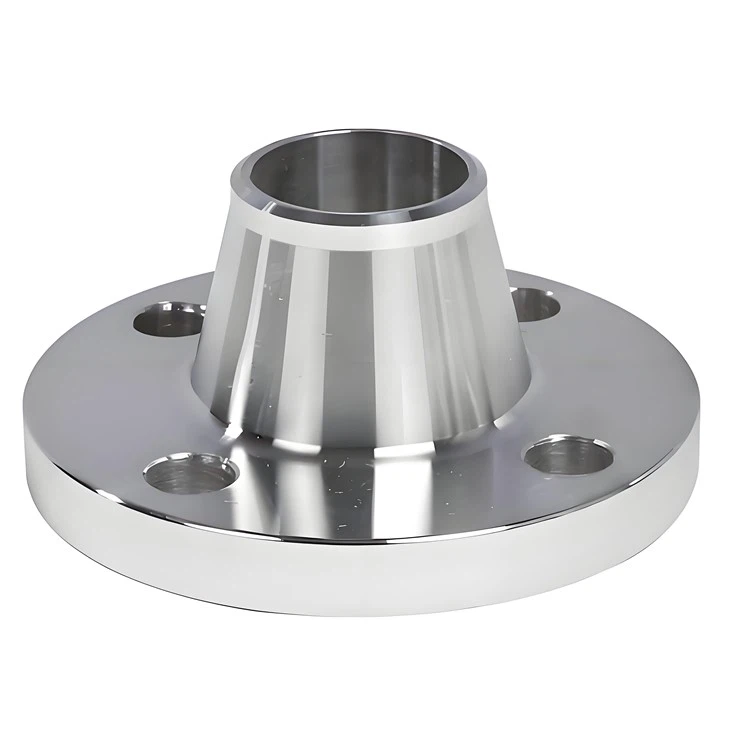
Now, let's compare the ASME B16.5 RF flanges with other types of flanges. For instance, the Weld Neck Flange has a different design and is used in different applications. The weld neck flange has a long tapered neck that is welded to the pipe, providing better stress distribution and higher strength. However, the surface flatness requirements for the weld neck flange are also important for a proper seal.

Another type is the ASME B16.5 RTJ (Ring Type Joint) flange. The RTJ flange has a different face design with a groove for a metal ring gasket. The flatness requirements for the RTJ flange are also critical to ensure a good seal with the ring gasket.
In conclusion, the surface flatness deviation of ASME B16.5 RF flanges is an important factor that affects the performance and safety of the flange connection. While the ASME B16.5 standard doesn't give a specific value for the deviation, it emphasizes the importance of a high-quality, flat surface. As a supplier, we are committed to providing flanges with the best possible surface flatness to meet the needs of our customers.
If you're in the market for ASME B16.5 RF flanges or have any questions about the surface flatness deviation, don't hesitate to reach out. We'd be more than happy to discuss your requirements and provide you with the best solutions.
References:
- ASME B16.5 Standard - Pipe Flanges and Flanged Fittings
- Industry best practices for flange installation and maintenance