


What is the structure of a DBB Ball Valve?
As a seasoned supplier of DBB (Double Block and Bleed) ball valves, I've had the privilege of delving deep into the intricacies of these essential industrial components. In this blog post, I'll break down the structure of a DBB ball valve, exploring its key parts and how they work together to ensure efficient and reliable operation.
The Basics of a DBB Ball Valve
A DBB ball valve is a type of valve that provides double isolation and bleeding capabilities. It is commonly used in industries where strict isolation and safety are paramount, such as oil and gas, chemical processing, and power generation. The valve consists of a ball with a bore through the center, which can be rotated to control the flow of fluid through the valve. When the ball is in the closed position, the bore is perpendicular to the flow path, blocking the fluid from passing through. In the open position, the bore is aligned with the flow path, allowing fluid to flow freely.
Key Components of a DBB Ball Valve
- Body: The body of a DBB ball valve is the main housing that contains all the other components. It is typically made of materials such as carbon steel, stainless steel, or alloy steel, depending on the application requirements. The body is designed to withstand high pressures and temperatures, as well as corrosive environments.
- Ball: The ball is the heart of the DBB ball valve. It is a spherical component with a bore through the center. The ball is usually made of the same material as the body and is precision machined to ensure a tight seal against the seats. When the ball is rotated, it controls the flow of fluid through the valve.
- Seats: The seats are the sealing surfaces that come into contact with the ball to prevent leakage. They are typically made of materials such as PTFE (polytetrafluoroethylene), graphite, or metal, depending on the application requirements. The seats are designed to provide a tight seal even under high pressures and temperatures.
- Stems: The stems are the components that connect the ball to the actuator. They are responsible for transmitting the rotational motion from the actuator to the ball, allowing the valve to be opened and closed. The stems are usually made of materials such as stainless steel or alloy steel and are designed to withstand high torque and bending forces.
- Actuators: The actuators are the devices that provide the power to open and close the valve. They can be manual, electric, pneumatic, or hydraulic, depending on the application requirements. Manual actuators are typically used for small valves or in applications where remote operation is not required. Electric, pneumatic, and hydraulic actuators are used for larger valves or in applications where remote operation is necessary.
- Bonnet: The bonnet is the component that covers the top of the valve body and provides access to the internal components. It is typically made of the same material as the body and is designed to provide a tight seal against the environment. The bonnet may also contain a packing gland or other sealing devices to prevent leakage around the stem.
- Flanges or End Connections: The flanges or end connections are the components that connect the valve to the pipeline. They are typically made of materials such as carbon steel, stainless steel, or alloy steel and are designed to provide a tight seal against the pipeline. The flanges or end connections may be welded, threaded, or flanged, depending on the application requirements.
How a DBB Ball Valve Works
The operation of a DBB ball valve is relatively simple. When the valve is in the closed position, the ball is rotated so that the bore is perpendicular to the flow path. This blocks the fluid from passing through the valve. When the valve is opened, the ball is rotated so that the bore is aligned with the flow path. This allows fluid to flow freely through the valve.
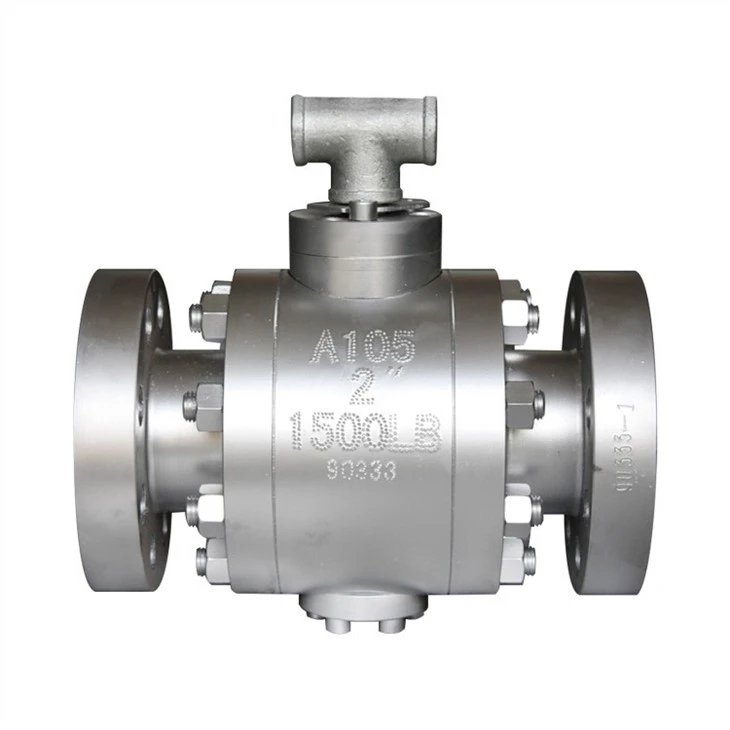

The double block and bleed feature of a DBB ball valve is achieved by using two seats and a bleed port. When the valve is closed, the two seats provide a double seal, preventing fluid from leaking past the ball. The bleed port allows any trapped fluid between the two seats to be drained, ensuring that the valve is completely isolated.
Advantages of a DBB Ball Valve
- Double Isolation: The double block and bleed feature of a DBB ball valve provides a high level of isolation, ensuring that no fluid can leak past the valve. This is particularly important in applications where safety is a concern, such as in the oil and gas industry.
- Bleeding Capability: The bleed port on a DBB ball valve allows any trapped fluid between the two seats to be drained, ensuring that the valve is completely isolated. This is useful for maintenance and testing purposes.
- Low Torque Operation: DBB ball valves typically require less torque to operate than other types of valves, such as gate valves or globe valves. This makes them easier to operate and reduces the wear and tear on the actuator.
- Long Service Life: DBB ball valves are designed to withstand high pressures and temperatures, as well as corrosive environments. This makes them suitable for a wide range of applications and ensures a long service life.
- Versatility: DBB ball valves can be used in a variety of applications, including oil and gas, chemical processing, power generation, and water treatment. They are available in a range of sizes and materials to suit different application requirements.
Types of DBB Ball Valves
There are several types of DBB ball valves available, each with its own unique features and advantages. Some of the most common types include:
- Cast Trunnion Ball Valve: A cast trunnion ball valve is a type of DBB ball valve that uses a trunnion-mounted ball. The trunnion provides additional support to the ball, reducing the torque required to operate the valve. Cast trunnion ball valves are typically used in high-pressure applications.
- DIB Ball Valve: A DIB (Double Isolation and Bleed) ball valve is a type of DBB ball valve that provides double isolation and bleeding capabilities. It is similar to a DBB ball valve, but it uses a different design to achieve the double isolation. DIB ball valves are typically used in applications where strict isolation and safety are required.
- Forged Trunnion Ball Valve: A forged trunnion ball valve is a type of DBB ball valve that uses a forged ball and body. Forging provides a stronger and more durable valve than casting, making it suitable for high-pressure and high-temperature applications.
Conclusion
In conclusion, a DBB ball valve is a versatile and reliable valve that provides double isolation and bleeding capabilities. Its simple design and low torque operation make it easy to operate and maintain, while its high-pressure and high-temperature capabilities make it suitable for a wide range of applications. As a supplier of DBB ball valves, I understand the importance of providing high-quality products that meet the needs of our customers. If you are in the market for a DBB ball valve, I encourage you to contact me to discuss your requirements. I would be happy to provide you with more information about our products and services and to help you find the right valve for your application.
References
- API 6D: Specification for Pipeline Valves
- ISO 17292: Petroleum, petrochemical and natural gas industries - Ball valves
- ASME B16.34: Valves - Flanged, Threaded, and Welding End