


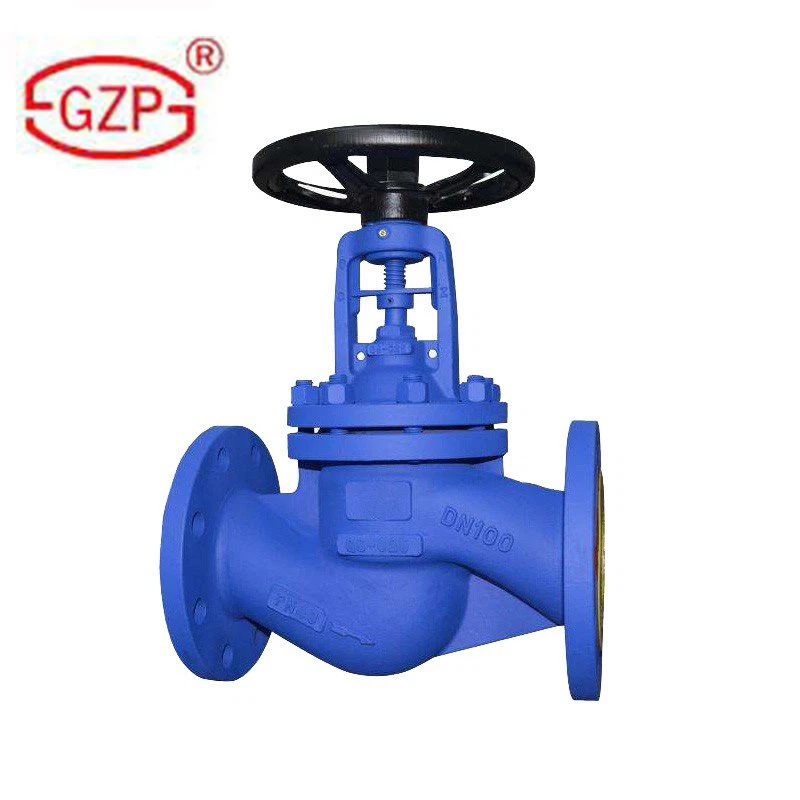
Hey there! As a supplier of DIN Globe Valves, I've got a lot to share about the materials commonly used in these valves. Let's dive right in!

Cast Iron
Cast iron is one of the most traditional materials for DIN Globe Valves. It's been around for ages, and there's a good reason for that. First off, it's super affordable. If you're on a tight budget, cast - iron DIN Globe Valves are a great option. They're also known for their excellent corrosion resistance, especially in less aggressive environments. For example, in water supply systems where the water isn't highly acidic or alkaline, cast - iron valves can last for a long time.
However, cast iron does have its drawbacks. It's quite brittle compared to some other materials. So, if there's a sudden shock or high - pressure spike, there's a risk of the valve cracking. But overall, for low - pressure and non - critical applications, cast - iron DIN Globe Valves are a reliable choice.
Carbon Steel
Carbon steel is another popular material. It's strong and can handle high pressures. In industrial settings where there are high - pressure steam lines or oil pipelines, carbon - steel DIN Globe Valves are often the go - to. They're also relatively easy to machine, which means they can be made into different shapes and sizes to fit various requirements.
One of the great things about carbon steel is its durability. It can withstand harsh operating conditions, including high temperatures. But carbon steel is prone to rusting if it's not properly protected. That's why many carbon - steel valves are coated or painted to prevent corrosion. If you're looking for a valve that can stand up to tough industrial environments, DIN Globe Valve made of carbon steel might be what you need.
Stainless Steel
Stainless steel is a real star when it comes to DIN Globe Valves. It offers excellent corrosion resistance, even in highly corrosive environments like chemical processing plants. There are different grades of stainless steel, such as 304 and 316. Grade 304 is commonly used in general applications where there's a moderate level of corrosion risk. Grade 316, on the other hand, is more resistant to corrosion and is often used in marine applications or in industries that deal with aggressive chemicals.
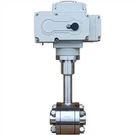
Stainless - steel valves are also very hygienic, which makes them suitable for the food and beverage industry. They're easy to clean and maintain, and they don't contaminate the fluid flowing through them. If you're in an industry where hygiene and corrosion resistance are top priorities, stainless - steel DIN Globe Valves are a great choice. You can check out some Forged Globe Valve options made of stainless steel on our website.
Brass
Brass is a popular choice for smaller - sized DIN Globe Valves, especially in plumbing applications. It's easy to work with, and it has good corrosion resistance in water systems. Brass valves are also aesthetically pleasing, which makes them a good option for residential plumbing where the valve might be visible.
They're relatively inexpensive compared to some of the other materials, and they offer a good balance between cost and performance. However, brass has limitations in high - pressure or high - temperature applications. If you're just looking for a valve for your home plumbing system, a brass DIN Globe Valve could be the way to go.
Alloy Steel
Alloy steel is used when you need a valve that can handle extremely high temperatures and pressures. In power generation plants, especially those that use high - temperature steam, alloy - steel DIN Globe Valves are essential. These valves are made by adding various alloying elements to steel, such as chromium, molybdenum, and vanadium. These elements improve the strength and heat resistance of the valve.
Alloy - steel valves are more expensive than some of the other materials, but they're worth the investment in applications where failure is not an option. They're also more difficult to manufacture, which adds to the cost. But if you're in an industry where high - performance valves are required, Forged Globe Valve made of alloy steel might be the solution.
Nickel - Based Alloys
Nickel - based alloys are used in the most extreme environments. In the chemical industry, where there are highly corrosive acids and alkalis, or in offshore oil and gas platforms where the saltwater is extremely corrosive, nickel - based alloy DIN Globe Valves are used. These alloys offer outstanding corrosion resistance and high - temperature strength.
However, they're very expensive. The cost of the raw materials and the manufacturing process is high. But for industries where the reliability of the valve is crucial and the environment is extremely harsh, nickel - based alloys are the only option.
So, as you can see, there are a variety of materials used for DIN Globe Valves, each with its own pros and cons. The choice of material depends on the application, the operating conditions, and the budget. If you're not sure which material is right for your needs, don't hesitate to reach out to us. We're here to help you make the best decision for your project. Whether you need a valve for a small plumbing job or a large - scale industrial application, we've got the expertise and the products to meet your requirements. Contact us today to start a discussion about your DIN Globe Valve needs and let's work together to find the perfect solution.
References
- Valve Handbook, 4th Edition by Robert E. McKetta
- Industrial Valves: Design and Application by David W. Miller