


Can a DIB Ball Valve be used for steam applications?
As a supplier of DIB Ball Valves, I often receive inquiries from customers about the suitability of our valves for various applications, especially steam applications. Steam systems are widely used in many industries, including power generation, chemical processing, and food and beverage production. In this blog post, I will explore whether a DIB Ball Valve can be used for steam applications, considering factors such as design, materials, and performance.
Understanding DIB Ball Valves
First, let's briefly understand what a DIB Ball Valve is. A Double Isolation and Bleed (DIB) Ball Valve is a type of valve that provides two separate seats that can isolate the flow from both upstream and downstream sides, and it also has a bleed port to vent any trapped media between the seats. This design offers enhanced safety and reliability compared to traditional single - seated valves. You can learn more about DIB Ball Valve on our website.
Design Considerations for Steam Applications
Steam applications present unique challenges due to the high temperature, high pressure, and the phase change properties of steam. The design of a valve for steam service must take these factors into account.
- Temperature Resistance: Steam can reach very high temperatures, often well above 100°C (212°F). The materials used in the valve construction must be able to withstand these elevated temperatures without significant degradation. For example, the valve body, ball, and seats should be made of materials with high - temperature strength and corrosion resistance.
- Pressure Rating: Steam systems can operate at high pressures. The valve must be designed with an appropriate pressure rating to ensure safe and reliable operation. This includes considerations for the thickness of the valve body, the strength of the seals, and the integrity of the valve's internal components.
- Expansion and Contraction: As steam heats up and cools down, there is significant expansion and contraction. The valve design should allow for these dimensional changes without causing leakage or mechanical failure. For instance, the valve seats should be able to accommodate the movement of the ball due to thermal expansion.
Materials for Steam - Compatible DIB Ball Valves
The choice of materials is crucial when using a DIB Ball Valve in steam applications.
- Valve Body: Common materials for the valve body in steam applications include stainless steel, carbon steel, and alloy steel. Stainless steel offers excellent corrosion resistance, which is important in steam systems where moisture and oxygen can cause rusting. Carbon steel is a cost - effective option for lower - temperature and lower - pressure steam applications, while alloy steel can be used for high - temperature and high - pressure steam systems.
- Ball and Seats: The ball and seats are critical components that come into direct contact with the steam. They need to be made of materials that can resist wear, erosion, and high - temperature oxidation. For example, tungsten carbide - coated balls and seats can provide excellent wear resistance, while PTFE (polytetrafluoroethylene) seats may not be suitable for high - temperature steam applications due to their relatively low melting point. Instead, materials like graphite or metal - seated options are more appropriate.
Performance in Steam Applications
When evaluating the performance of a DIB Ball Valve in steam applications, several factors need to be considered.
- Leakage Rate: In steam systems, even a small amount of leakage can lead to energy losses and safety hazards. A well - designed DIB Ball Valve should have a very low leakage rate, especially in the double - isolation function. The double - seated design of the DIB valve helps to prevent leakage by providing two independent sealing points.
- Flow Control: Steam systems often require precise flow control. The ball valve design allows for quick and accurate flow regulation. The full - bore design of many DIB Ball Valves provides a low - pressure drop, which is beneficial for maintaining efficient steam flow.
- Reliability and Maintenance: Steam applications typically operate continuously, and any valve failure can cause significant downtime. A reliable DIB Ball Valve should require minimal maintenance and have a long service life. Regular inspection and maintenance of the valve, including checking the seats, seals, and actuator, are essential to ensure its continued performance.
Advantages of Using DIB Ball Valves in Steam Applications
There are several advantages to using DIB Ball Valves in steam applications.
- Enhanced Safety: The double - isolation and bleed function of the DIB Ball Valve provides an extra layer of safety in steam systems. It allows for the isolation of the steam flow on both sides of the valve, which is crucial during maintenance or in case of an emergency.
- Improved System Integrity: By preventing leakage and providing reliable flow control, DIB Ball Valves contribute to the overall integrity of the steam system. This helps to reduce energy losses, improve efficiency, and minimize the risk of system failures.
- Versatility: DIB Ball Valves can be used in a wide range of steam applications, from small - scale industrial processes to large - scale power plants. They can be customized with different materials, sizes, and end connections to meet the specific requirements of each application.
Limitations and Considerations
While DIB Ball Valves can be used in steam applications, there are some limitations and additional considerations.
- Cost: DIB Ball Valves with the appropriate materials and design for steam applications can be more expensive than traditional valves. However, the long - term benefits in terms of safety, reliability, and efficiency often justify the higher initial cost.
- Installation and Maintenance: Proper installation and maintenance are essential for the successful operation of DIB Ball Valves in steam applications. Incorrect installation can lead to leakage and premature failure, while inadequate maintenance can reduce the valve's service life.
Other Valve Options for Steam Applications
In addition to DIB Ball Valves, there are other valve types commonly used in steam applications, such as gate valves, globe valves, and Cast Trunnion Ball Valve and Forged Trunnion Ball Valve.
- Gate Valves: Gate valves are often used for on - off service in steam systems. They provide a full - bore flow path when fully open, but they may not be as suitable for throttling applications.
- Globe Valves: Globe valves are commonly used for flow control in steam systems. They offer good throttling performance but have a higher pressure drop compared to ball valves.
- Trunnion Ball Valves: Cast and forged trunnion ball valves are also suitable for steam applications, especially in high - pressure and large - diameter systems. They provide reliable sealing and can handle the high forces associated with steam flow.
Conclusion
In conclusion, a DIB Ball Valve can be used for steam applications, provided that it is designed and constructed with the appropriate materials and features to withstand the high temperature, high pressure, and other challenges of steam systems. The design, materials, performance, and cost - effectiveness of the valve should be carefully evaluated based on the specific requirements of the steam application.

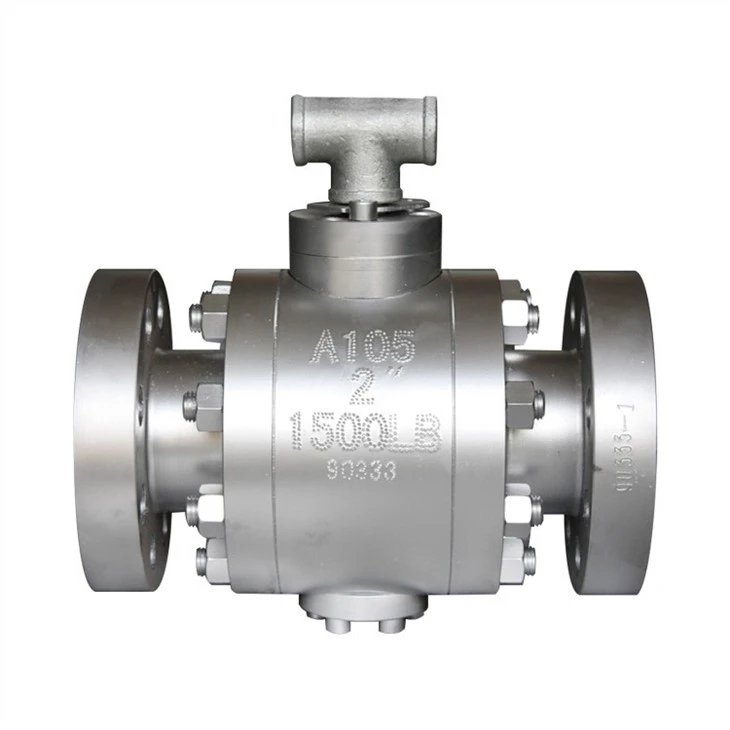
If you are considering using a DIB Ball Valve in your steam system, we encourage you to contact us for more information. Our team of experts can help you select the right valve for your application, provide technical support, and assist with installation and maintenance. We are committed to providing high - quality DIB Ball Valves that meet the strictest standards for steam applications. Contact us today to start a discussion about your procurement needs.
References
- ASME Boiler and Pressure Vessel Code, Section VIII, Division 1, Rules for Construction of Pressure Vessels.
- API 6D, Specification for Pipeline Valves.
- ISO 17292, Petroleum and natural gas industries - Pipeline transportation systems - Ball valves.