



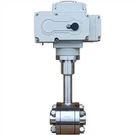

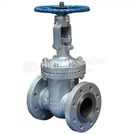

When it comes to industrial valves, there are numerous types available, each designed for specific applications and requirements. Among these, the Double Block and Bleed (DBB) Ball Valve and the single - block valve are two commonly used valves. As a DBB Ball Valve supplier, I often encounter questions about the differences between these two valve types. In this blog post, I'll delve into the details to help you understand the distinctions and make informed decisions for your industrial needs.
1. Basic Definitions
Let's start with the basic definitions of these two valve types.
A single - block valve is a simple valve designed to stop the flow of fluid in a pipeline. It has one sealing element that can either block or allow the passage of the fluid. When the valve is closed, the sealing element creates a barrier, preventing the fluid from flowing through the valve.
On the other hand, a DBB Ball Valve is a more advanced valve. The term "Double Block and Bleed" implies that it can perform two functions simultaneously. It has two independent sealing elements that can block the flow from both upstream and downstream sides of the valve. Additionally, it is equipped with a bleed port that allows for the release of any trapped fluid between the two sealing elements.
2. Structural Differences
The structural differences between a DBB Ball Valve and a single - block valve are quite significant.
A single - block valve typically has a simpler structure. It usually consists of a body, a valve stem, a sealing element (such as a ball, gate, or globe), and an actuator. The actuator is used to open and close the valve by moving the sealing element. For example, in a ball valve, the actuator rotates the ball to either align the hole in the ball with the pipeline (open position) or turn the ball perpendicular to the pipeline (closed position).
In contrast, a DBB Ball Valve has a more complex structure. It has two sealing seats on either side of the ball. These seats can independently seal against the ball to block the flow from both directions. The bleed port is usually located in the valve body between the two seats. This port can be opened to relieve pressure or drain any trapped fluid. There are different types of DBB Ball Valves, such as Cast Trunnion Ball Valve and Forged Trunnion Ball Valve, which have specific structural features based on their manufacturing processes.


3. Sealing Performance
Sealing performance is a crucial factor in valve selection, and there are notable differences between DBB Ball Valves and single - block valves.
A single - block valve provides sealing on one side only. When the valve is closed, the sealing element creates a seal against the valve seat to prevent fluid flow. However, if there is any leakage through the sealing element or the seat, the fluid can still pass through the valve. The sealing performance of a single - block valve depends on the quality of the sealing material, the design of the sealing element, and the operating conditions.
A DBB Ball Valve, on the other hand, offers superior sealing performance. With two independent sealing seats, it can block the flow from both upstream and downstream sides. Even if one seat fails to seal properly, the other seat can still prevent the fluid from flowing through the valve. The bleed port also plays an important role in ensuring the integrity of the sealing. By bleeding the trapped fluid between the two seats, it can reduce the pressure on the seats and prevent potential damage to the sealing elements. Moreover, DIB Ball Valve, a type of DBB valve, has enhanced sealing capabilities, making it suitable for applications where high - level sealing is required.
4. Operational Safety
Operational safety is of utmost importance in industrial applications, and the differences between DBB Ball Valves and single - block valves in this aspect are significant.
A single - block valve may pose some safety risks in certain situations. If there is a leakage through the valve, it can lead to the release of hazardous fluids, which can cause environmental pollution, equipment damage, or even endanger the safety of personnel. In addition, in applications where it is necessary to isolate a section of the pipeline for maintenance or repair, a single - block valve may not provide sufficient isolation.
A DBB Ball Valve enhances operational safety. The double - block feature provides a more reliable isolation of the pipeline. The bleed port allows for the safe release of trapped fluid, reducing the risk of pressure build - up and potential valve failure. This makes DBB Ball Valves particularly suitable for applications in the oil and gas industry, chemical plants, and other industries where the handling of hazardous fluids is involved.
5. Application Scenarios
The choice between a DBB Ball Valve and a single - block valve depends largely on the application scenario.
Single - block valves are commonly used in applications where simple on - off control of fluid flow is required. They are suitable for low - pressure and low - temperature systems, such as water supply systems, HVAC systems, and some general industrial pipelines. For example, in a domestic water supply system, a single - block ball valve can be used to control the flow of water to different fixtures.
DBB Ball Valves are preferred in applications where high - level isolation, reliable sealing, and safety are crucial. They are widely used in the oil and gas industry, especially in upstream, mid - stream, and downstream operations. In upstream applications, DBB Ball Valves are used in wellhead control systems to isolate the wellbore from the surface facilities. In mid - stream and downstream applications, they are used in pipelines, storage tanks, and refineries to ensure the safe handling of various fluids, including crude oil, natural gas, and refined products. They are also used in chemical plants, power plants, and other industries where the isolation of hazardous or high - value fluids is necessary.
6. Cost Considerations
Cost is an important factor in any industrial purchase decision.
Single - block valves are generally more cost - effective than DBB Ball Valves. Their simpler structure and manufacturing process result in lower production costs. They also require less maintenance and have a lower initial investment. This makes them a popular choice for applications where cost is a major concern and the requirements for sealing and isolation are not extremely high.
DBB Ball Valves, on the other hand, are more expensive. Their complex structure, advanced sealing technology, and additional features such as the bleed port contribute to higher production costs. However, in applications where safety, reliability, and high - level performance are critical, the additional cost of a DBB Ball Valve is often justified. The long - term benefits, such as reduced maintenance costs, improved operational safety, and enhanced system reliability, can outweigh the initial investment.
Conclusion
In conclusion, the differences between a DBB Ball Valve and a single - block valve are significant in terms of structure, sealing performance, operational safety, application scenarios, and cost. As a DBB Ball Valve supplier, I understand the importance of providing the right valve for each customer's specific needs. Whether you need a simple single - block valve for a basic application or a high - performance DBB Ball Valve for a critical industrial process, we can offer you the appropriate solutions.
If you are considering purchasing valves for your project, I encourage you to contact us for further discussions. Our team of experts can help you evaluate your requirements, recommend the most suitable valve type, and provide you with detailed product information and technical support. We are committed to providing high - quality valves and excellent customer service to ensure the success of your projects.
References
- Valve Handbook, 4th Edition, by J. S. M. Ludovice
- Industrial Valves: Selection, Specification, and Installation, by E. R. Wood
- Standards and Practices for Valves in the Oil and Gas Industry, API Publications